
If I’m being honest, this post might come with a few trigger warnings and might not be for everyone. Not because I’m going to say something R rated or get someone in trouble, but because I’m going to give my honest views on what it takes to find success catching trout (that are contrary to what most of the fly fishing industry would say).

To begin with and as followers of this blog know, I have very deep roots when it comes to fly fishing for trout. Growing up in Colorado and living in Utah for an extended period of time, this has been a staple throughout my life, and I’ve continued to enjoy chasing these fish no matter the occasion. All of this to say, I want to make it clear that I know what it’s like to fish for some of the spookiest trout out there – 6x tippet, 22 sized midges, deep indicator rigs, waders and boots required. I absolutely have done it and have caught fish this way. I also don’t shame it because to each their own, and sometimes catching that 20+ inch fish requires a mid-winter small nymph in some deep water. BUT…I genuinely have found over the years that the best trout fishing comes when I can avoid all of these things, and 2023 had some great examples of this.

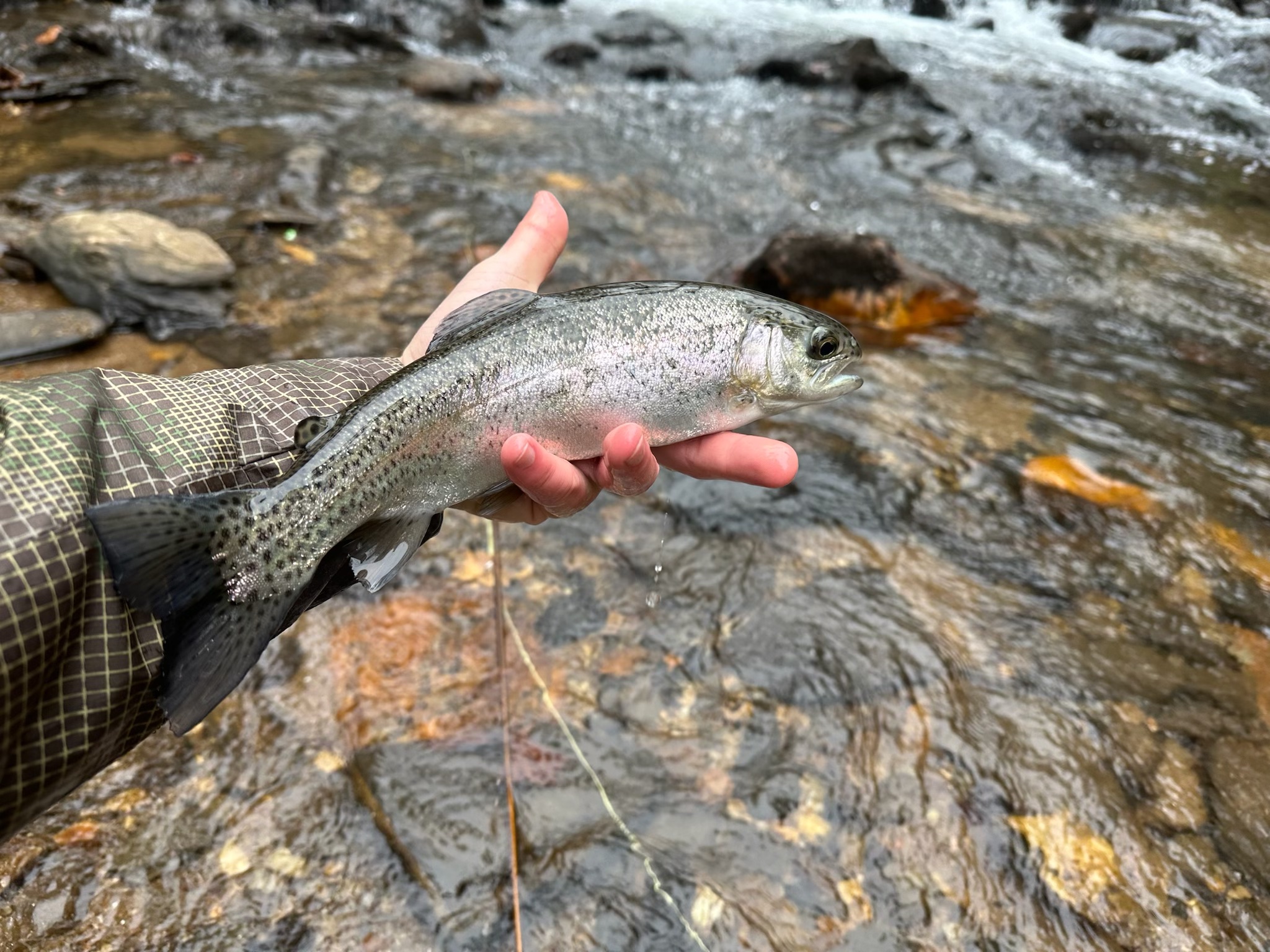
For starters, I think that with a 5-weight rod, 4X leader/tippet, and 3 types of flies in your box, you can have success. I put this to practice this year while visiting both the mountains of Colorado and Georgia. Had some beautiful creeks right in town that I wanted to explore and see if the fish were active, and was able to find success by keeping it simple. All I essentially fished with were small brown/gold wooly buggers, prince nymphs, and royal wulffs (in case the fish were looking up). In these small mountain creeks, the fish are extremely opportunistic with pocket water. By pocket water, I’m referring to any calmer/slower areas of a creek that are usually directly behind a fast moving current, rock, or other structure. These pockets are typically no more than a couple feet wide in these types of creek, but usually will hold the best fish around as they wait in an ambush point for passing insects and bait fish to eat. As for me this year, the majority of my success came from fast stripping a wooly bugger through these pockets of water, and getting ready to strip-set if a fish came to grab it. Often times this is visual and very exciting, so always be ready for a take you might see the action taking place before feeling anything on the line.
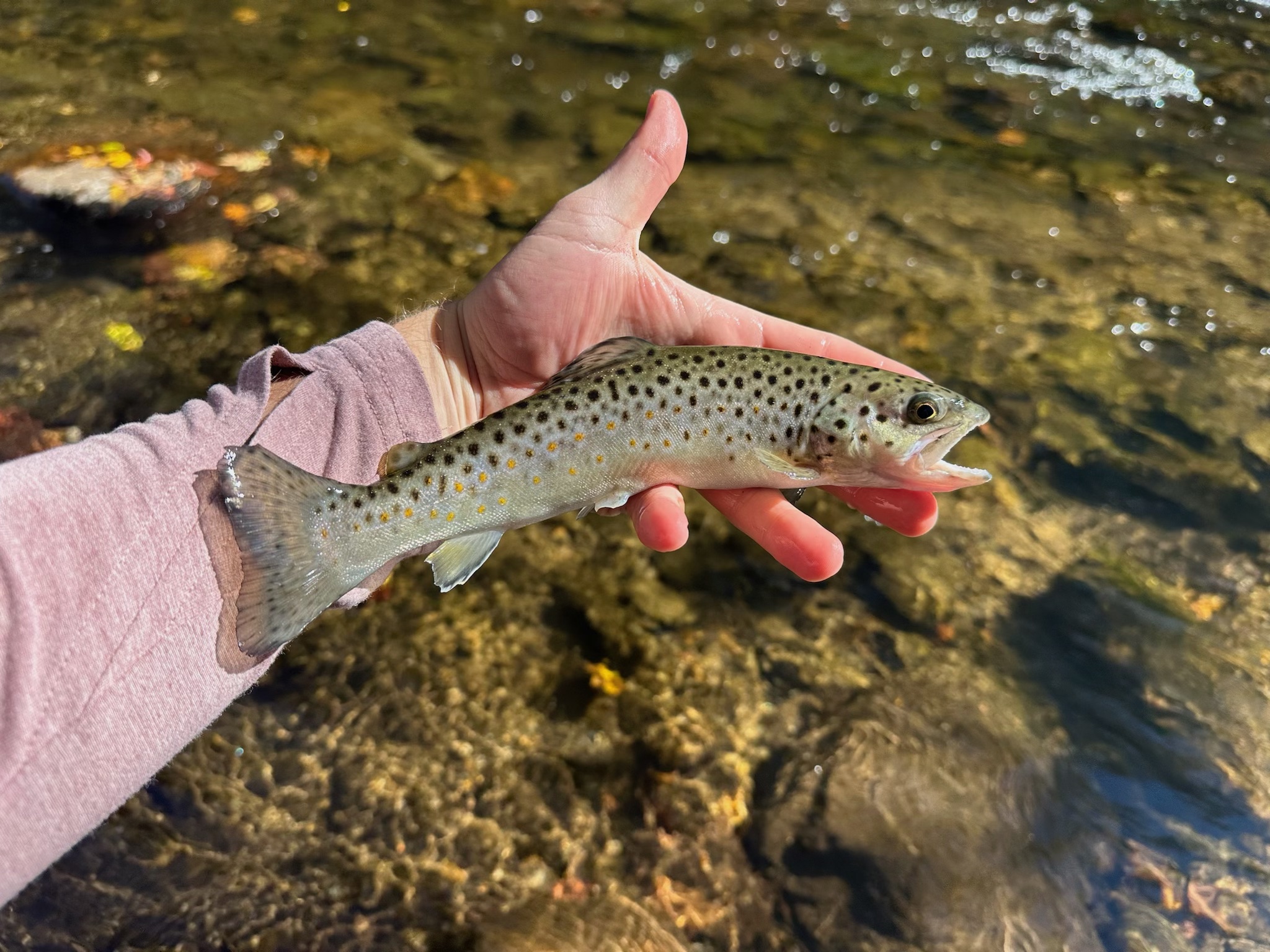
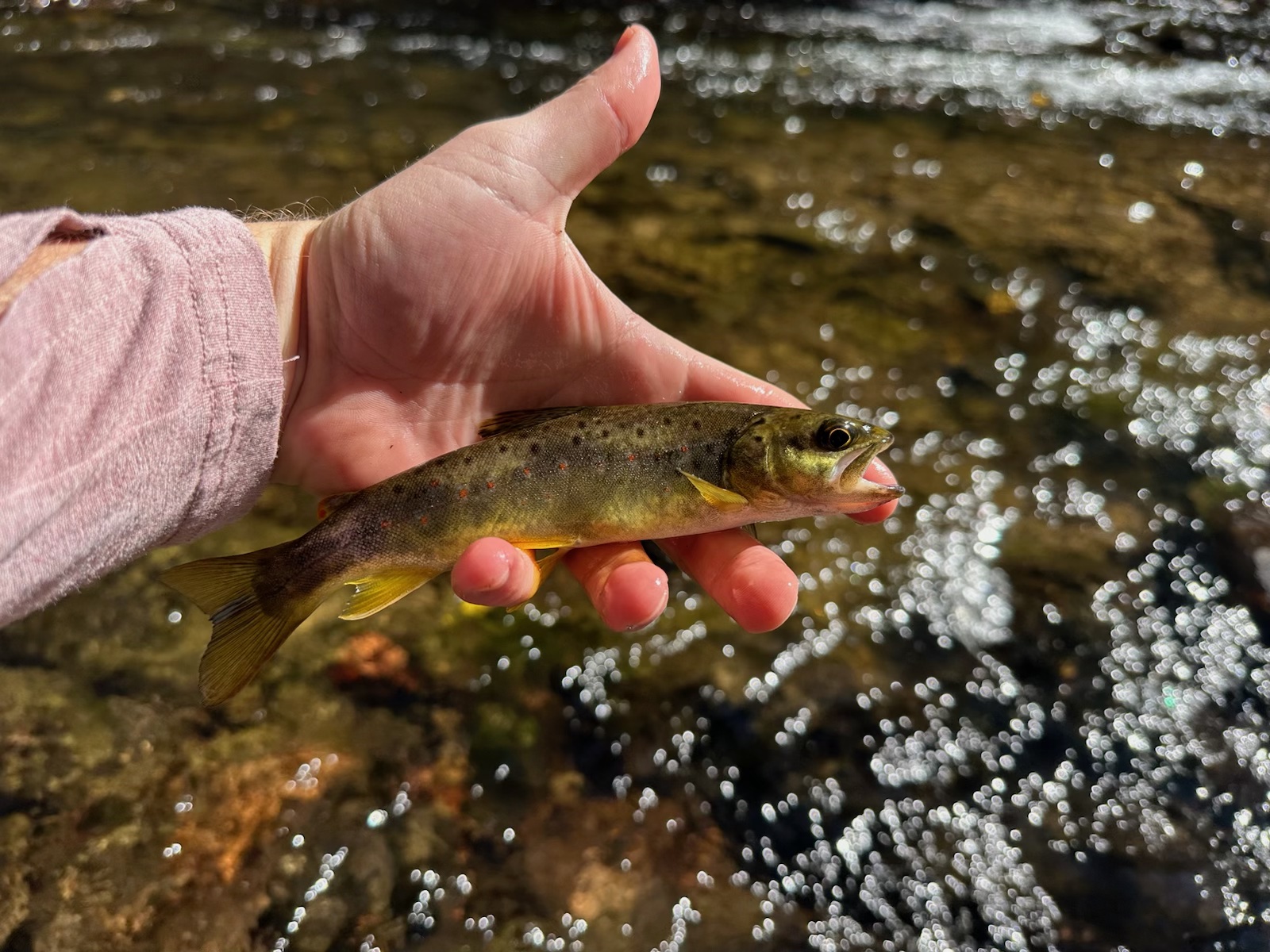
When the wooly buggers weren’t the ticket, I would do a quick dry-dropper set up with a royal wulff and prince nymph. This allowed the fish keyed in on insects to feel a bit more comfortable, and on occasion provided the historic rising trout image that the world has come to love.
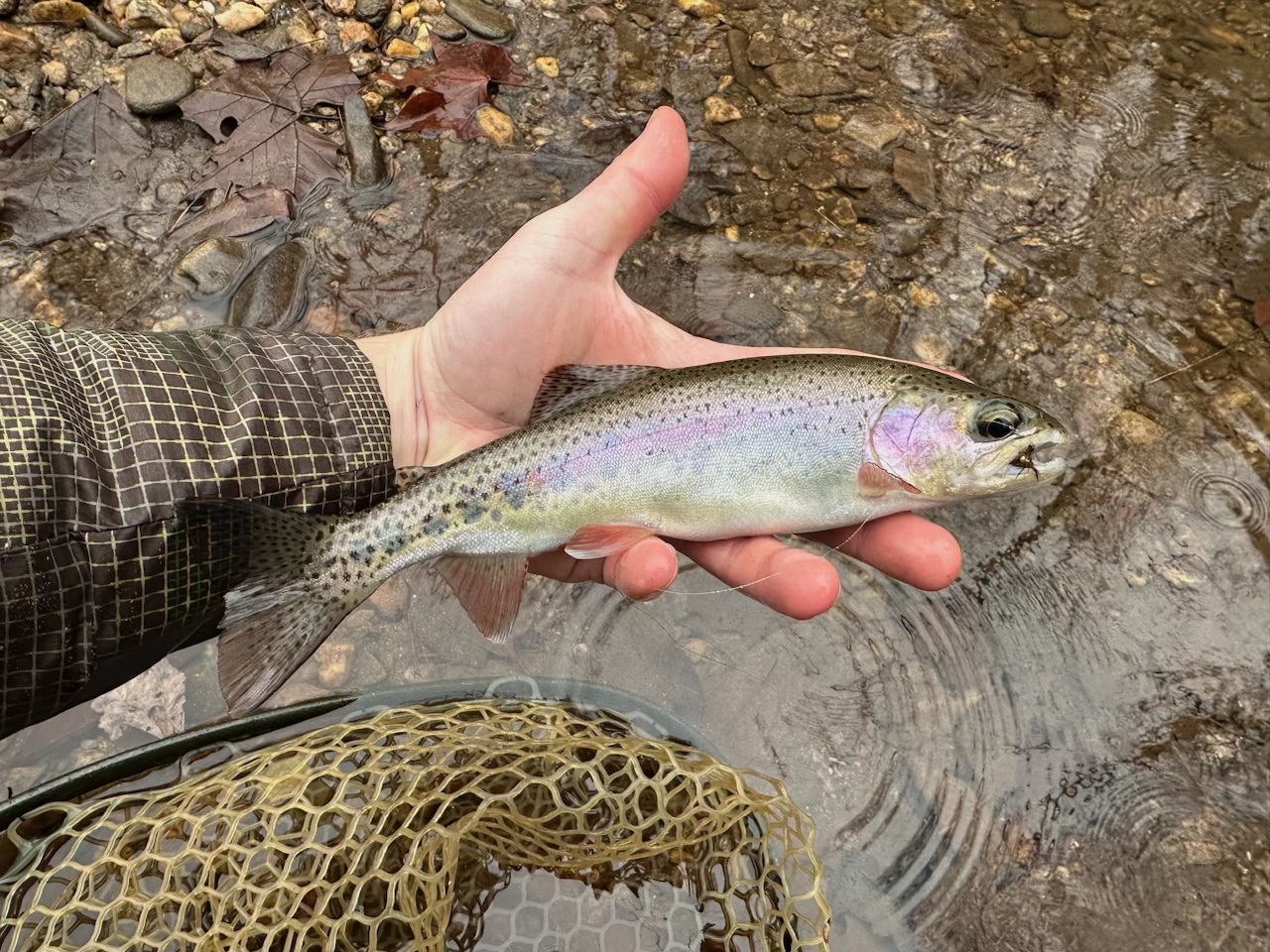
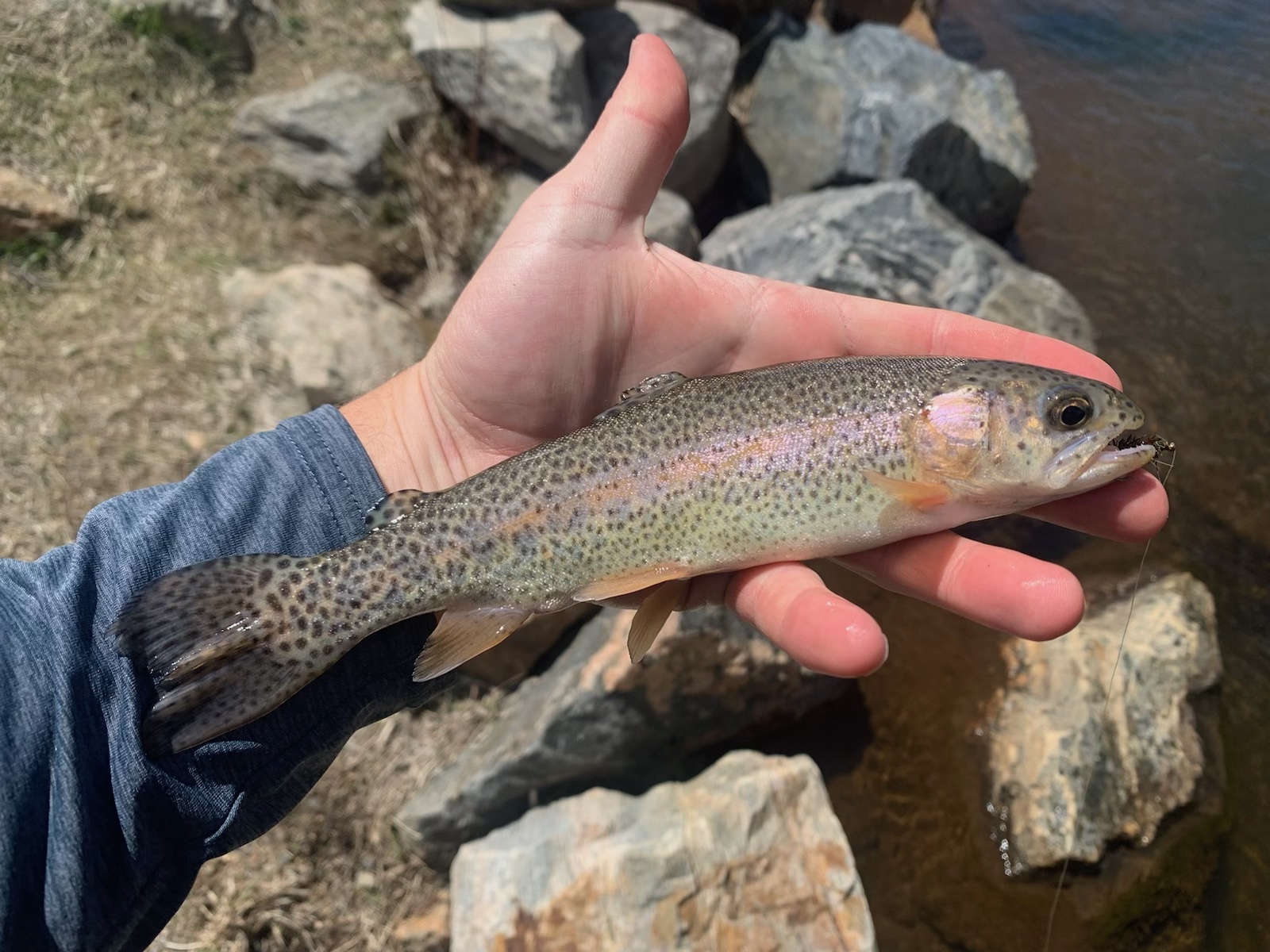
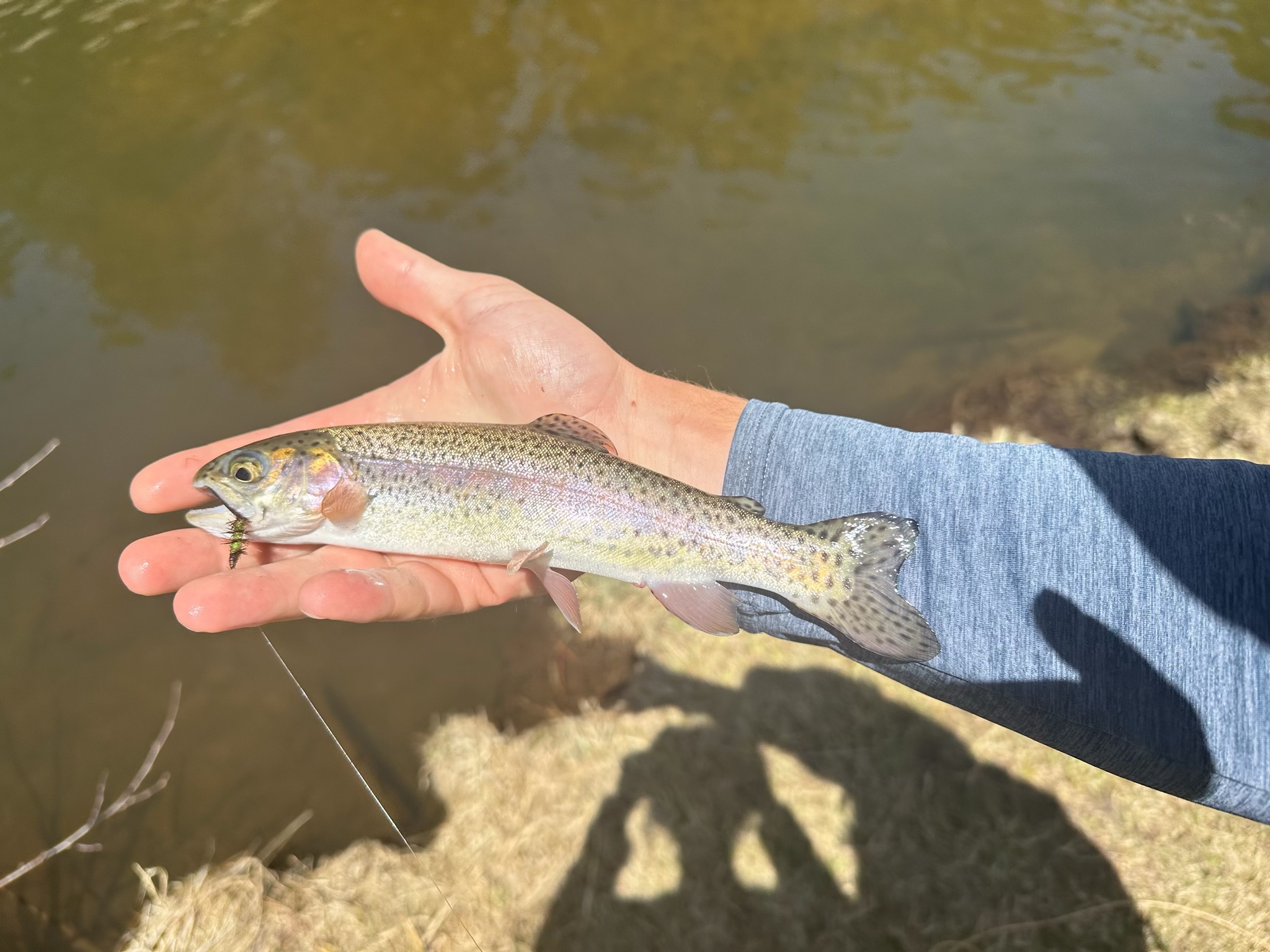
Although I did not spend much time this year on chasing any “bruiser” trout specifically, below are a handful of the fish I brought to hand “keeping it simple this year”. My goal in documenting some of these simple strategies is to encourage myself and others out there to always give it a try when it comes to trout. Sure those float trips are a blast (some of my favorite memories fishing come from floating thee Green and Colorado rivers), but sometimes all you need is a moving current and a few flies in a zip lock baggy. I also at times feel like some people will be hesitant to even try catching a fish on the fly because they think they need all the bells and whistles when it comes to gear to even have a chance. We are all for making the most out of your fishing opportunities when presented, and I was glad to give it a go this year when I saw some moving water around me!
Tight lines.
Joe
 joepetrowflyfishing