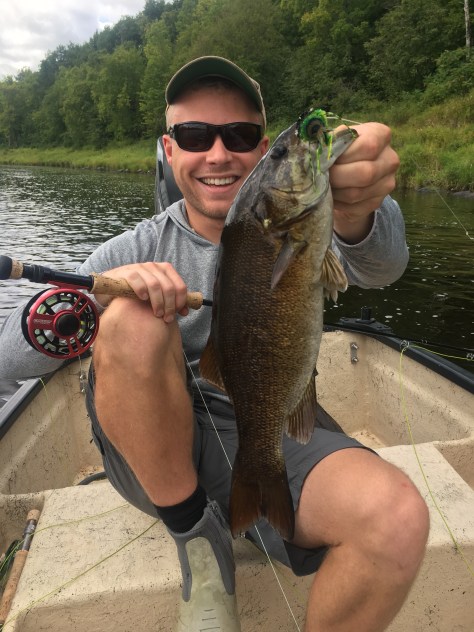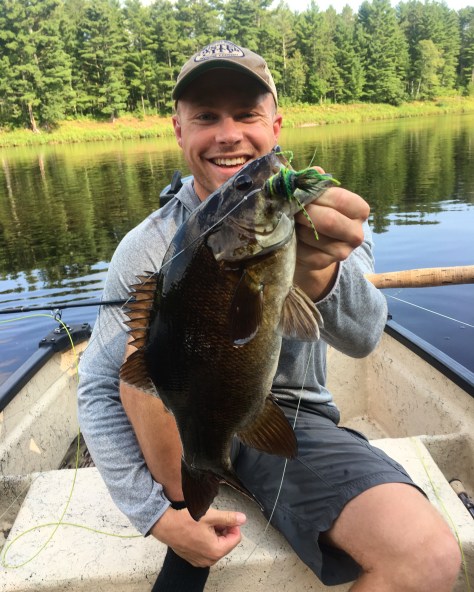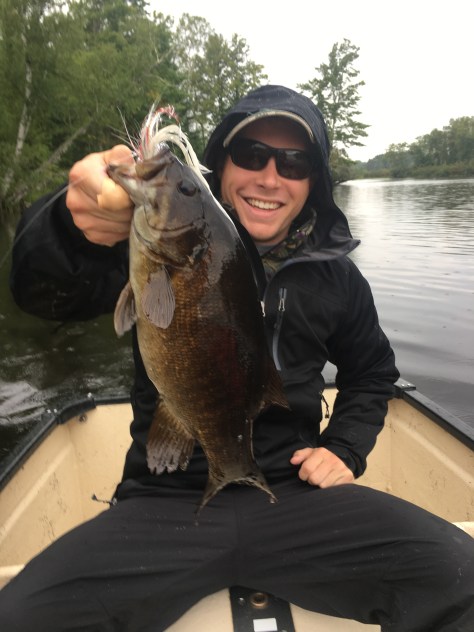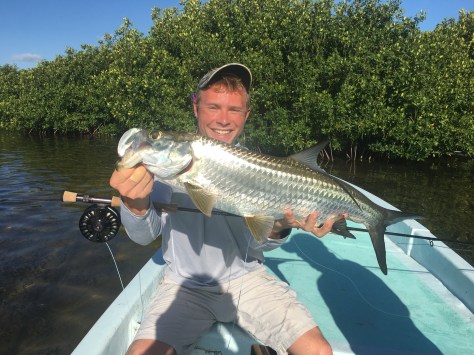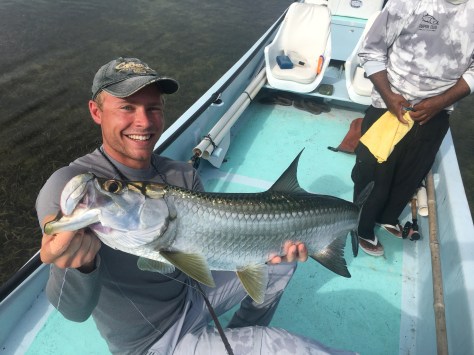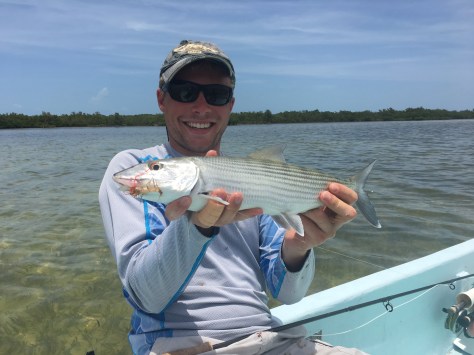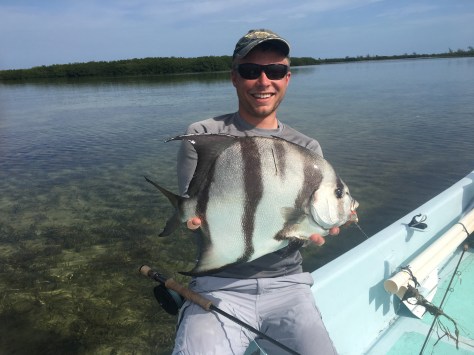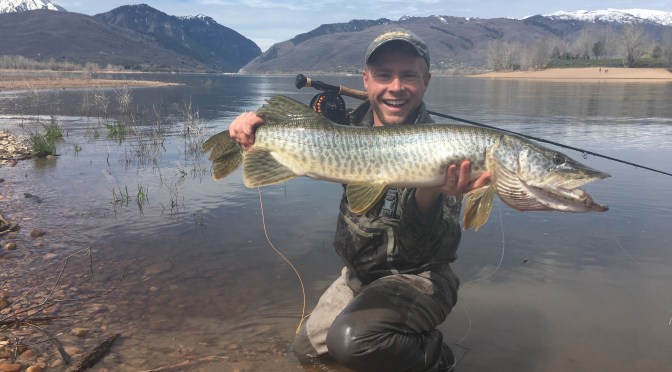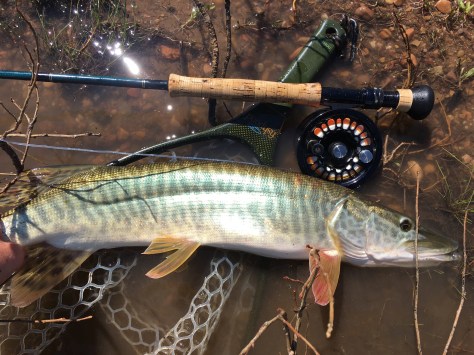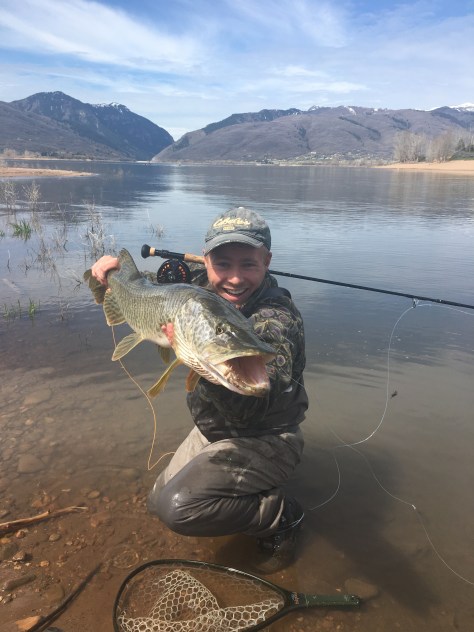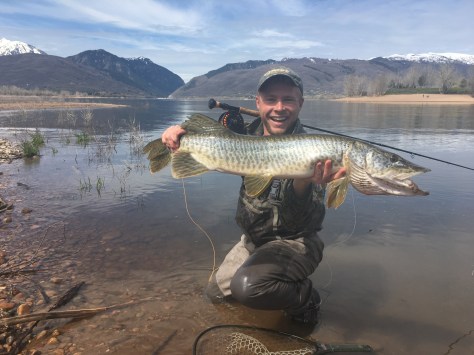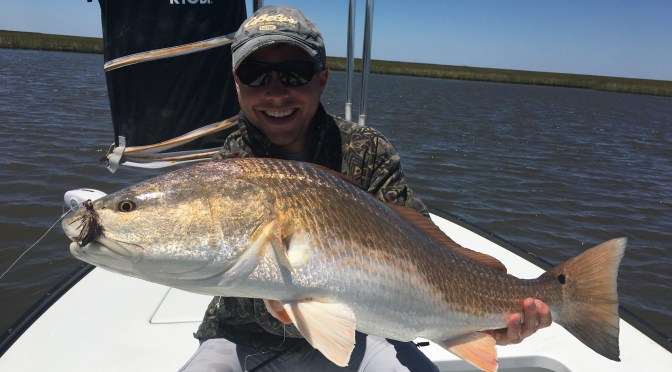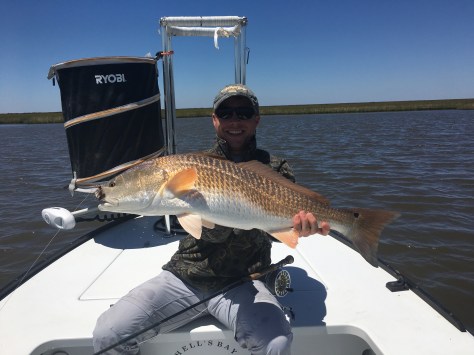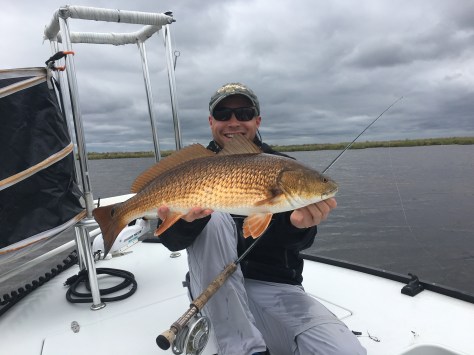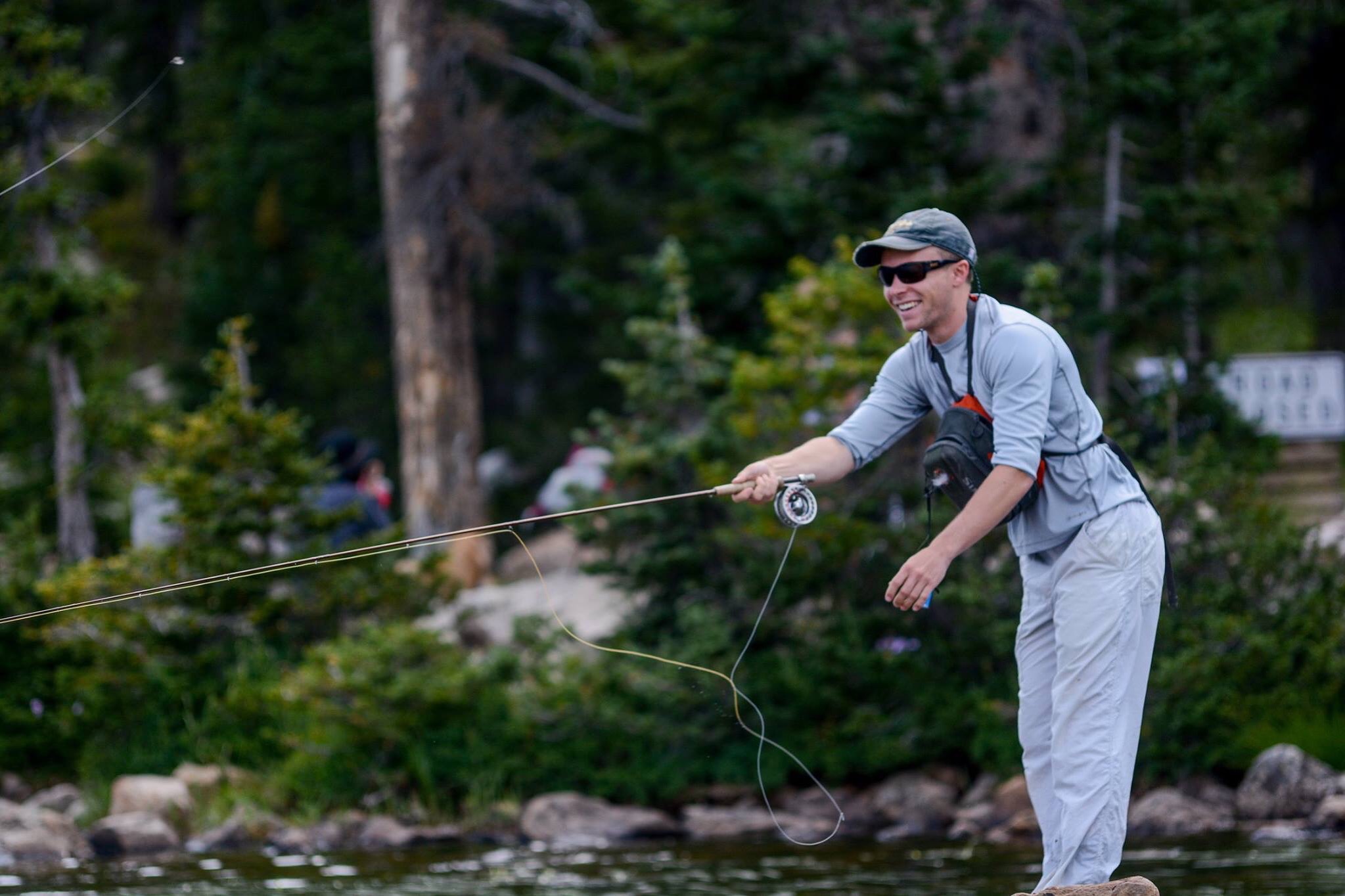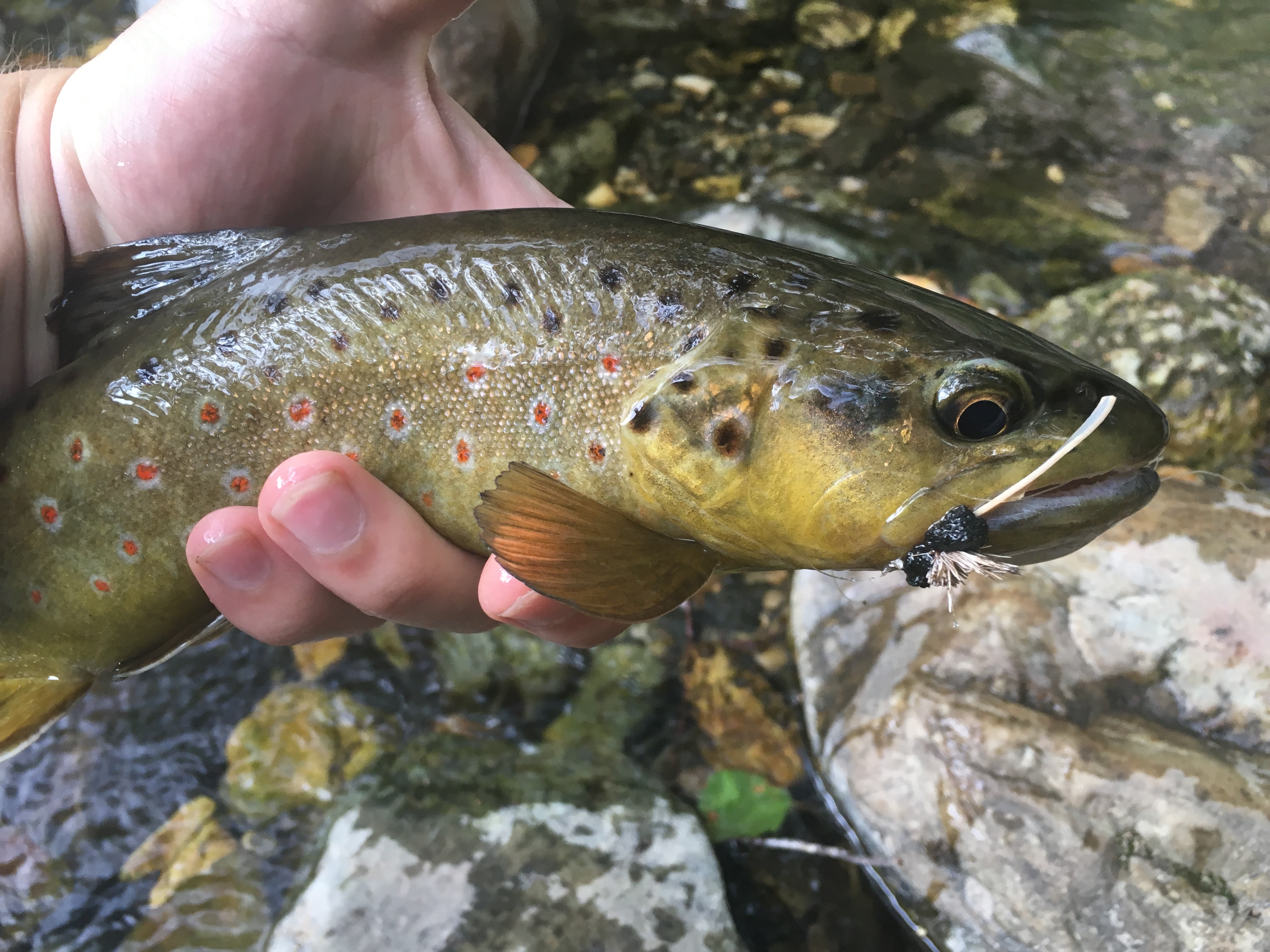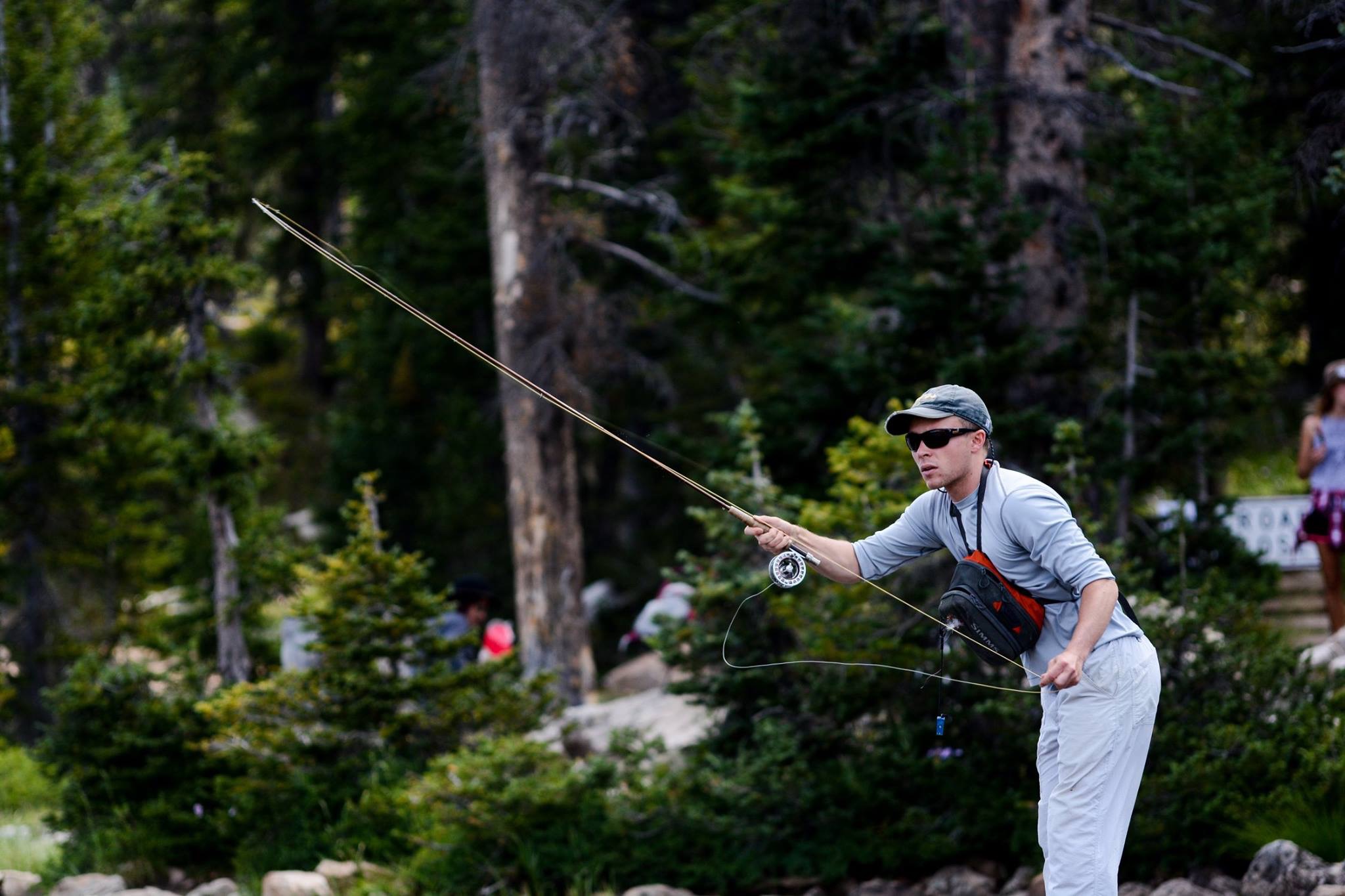
Man, it has been more than a few months hasn’t it?! Where has the time gone? I guess the working world is indeed a reality, but this has not kept me off the water. To those of you who follow the website and look forward to updates on trips, I apologize for the lack of activity lately, but have been waiting for the right opportunity to do my first post from my fly fishing experiences here in the great state of Utah.
Joe Petrow
Four months ago I moved to Utah for work not knowing much of what to expect. To be completely honest, all I knew was that “it was similar enough to Colorado,” and that I was excited to be in a city with countless fly fishing opportunities around. With this being said, the realities of my fishing experiences here have far surpassed my initial expectations, and once the clock hits 5:00 and emails are closed, it’s time to hit the water.
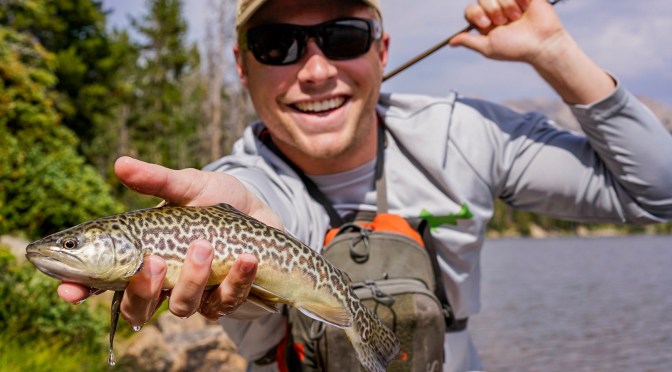
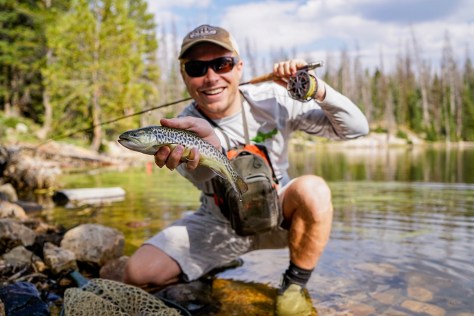
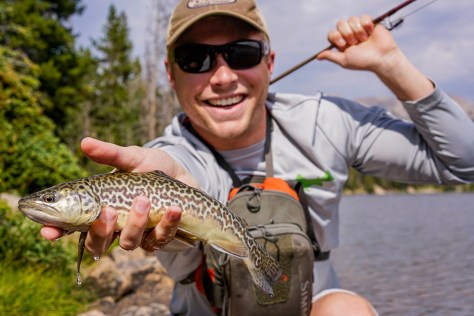
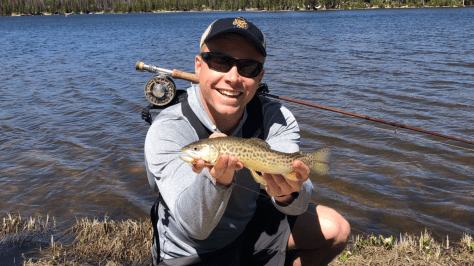
The biggest perk of fly fishing in Utah thus far has been the variety of species and ways to catch fish. Within a one hour drive of Salt Lake City, I have been able to catch all four main species of trout (Brown, Rainbow, Brook, and Cutthroat) on pretty much every technique known to man. Over the past few months, dry fly fishing has been probably 80% of what I have been doing, and the results are exceptional. In addition to this, I find myself throwing mouse patterns consistently as well, having caught all four species of trout now on home-tied mouse patterns. It is a sight to behold when you can sight fish a big trout sitting under a log and watch it rush out to crush a mouse pattern! Nature’s cruelty in work!
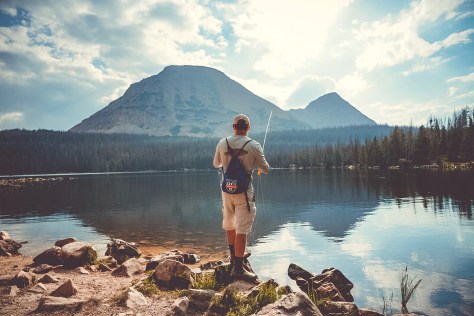
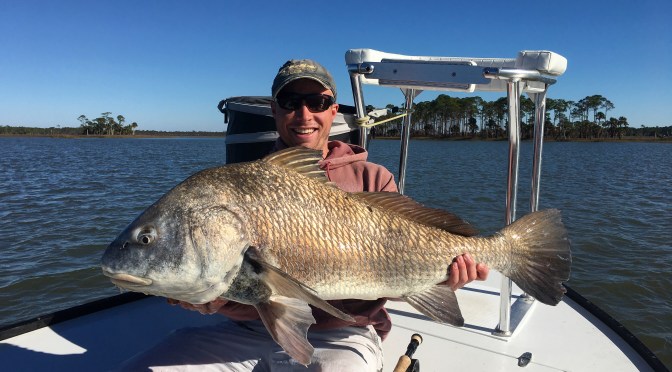
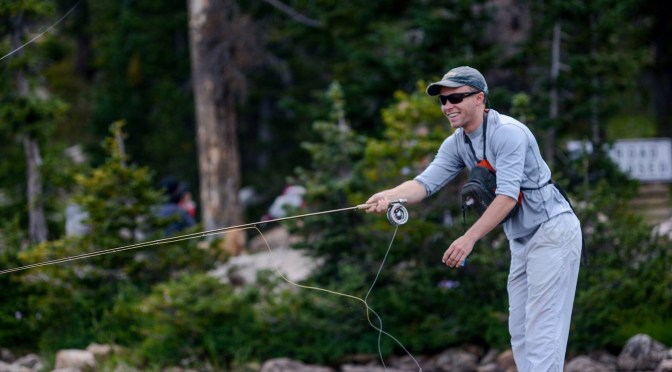
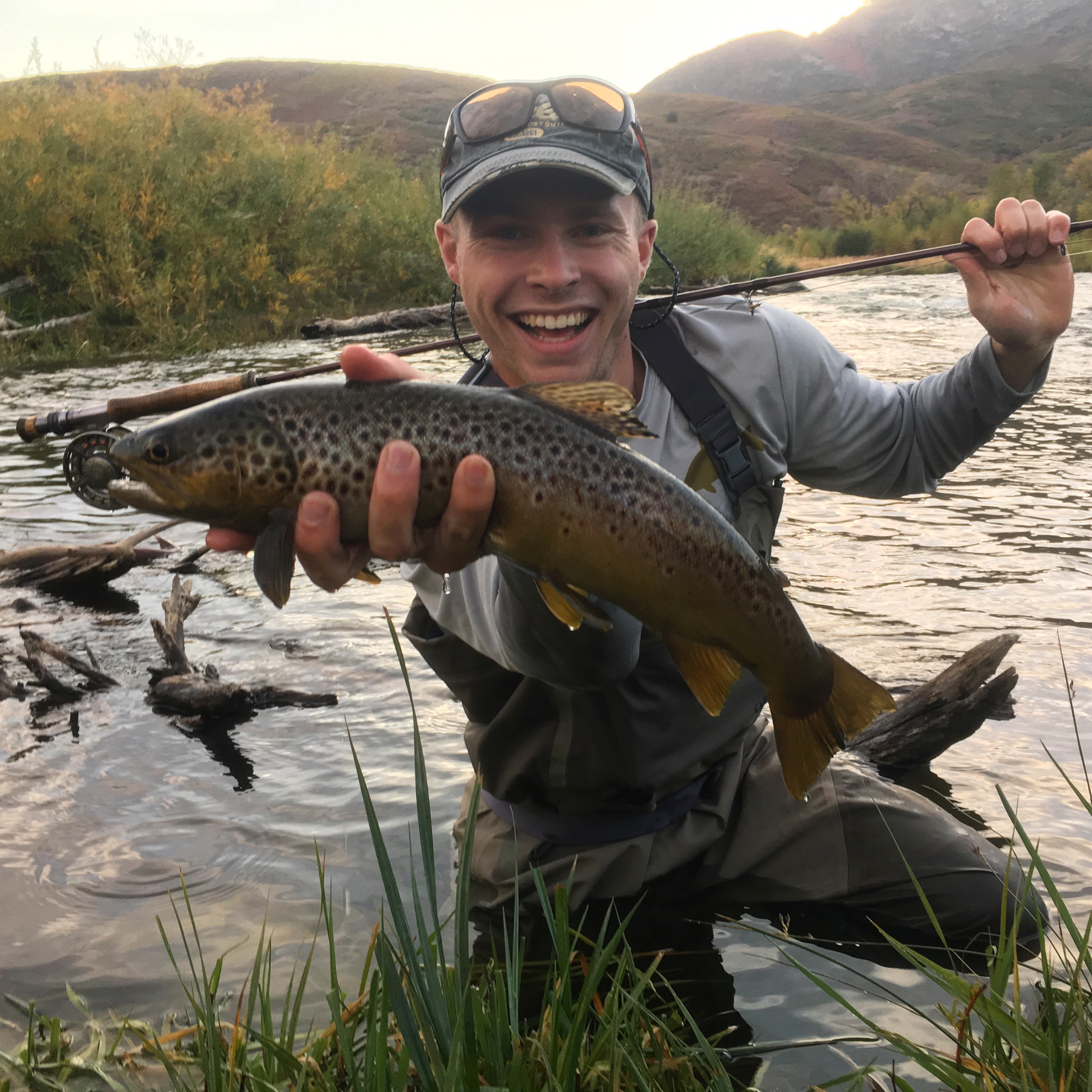
In addition to this, the water bodies in which I have been fly fishing are all so unique, and have perks to every situation. I have spent the majority of my time fishing high mountain creeks/narrow rivers, in that I find they are in remote places with spectacular views. Dry fly fishing is best here, and the native Brook and Bonneville Cutthroat trout tend to be aggressive and opportunistic. However, both the Provo and Weber river have produced some huge brown trout. I have already exceeded the 20″ inch mark twice while in Utah, with the biggest trout pushing 24″ inches, and another being a solid 22″ inches (see below).
Joe PetrowJoe Petrow
Although I was unable to tap into the Tiger Musky fishery here in Utah, I look forward to exploring this opportunity once spring rolls around, and am still on the hunt to find the best carp spots as well. I know that this post is relatively generic, but it has been WAY too long, and it was time to provide an update on what has been going on.
With snow now on the ground, I am hoping that it may be the time of year to go for the “studs” in the slow pools and spend full days throwing streamers for one or two beastly fish. Regardless of the season, the fly fishing has been exceptional thus far, and I’m excited to see what is ahead with the rivers, lakes, and streams around me.
As always, tight lines, and we will make sure to be more consistent with the posts. Specific stories to come!
Well, it’s that time of year. 90 degree days, darkness arriving past 9:00PM, parents trying to figure out what to do with their hectic kids; summer is here. As any avid fly fisherman would agree, each season presents it’s own perks and challenges, but there is always one season that fly fisherman will favor indefinitely. For me, this season is summer by far.
With the “real world” now upon me and work beginning soon, my dad and I decided that we had to have one last “hoorah” fishing trip before moving began and before scheduling became a pain in the you know what. However, we did not want an ordinary fly fishing trip. We wanted an adventure, a new target species, and a new location all in one giant bread basket. Thus, we decided to travel to Hayward, Wisconsin and fly fish for arguably the most voracious, predatory, and simply mean freshwater fish: the muskellunge (musky).
After a non-stop flight from Denver to Minneapolis, we drove three hours into the Wisconsin wilderness in hopes of having a week for the ages. We would be fishing with the famous Musky Country Outfitters, led by musky “legend” Brad Bohen and his number one guide Weston Thier. With expectations on our end being relatively uncertain, this week would turn out to be one of the best fly fishing experiences we have ever had, and some big, beautiful, toothy fish were landed.
We fished two rivers for the week: several parts of both the Chippewa and Flambeau rivers. As for the fly fishing itself, hundreds upon hundreds of casts were taken everyday, and with every cast came the hope that a giant musky would be following our 8-12 inch flies towards the boat. With six total fish landed between my dad and I for the week, we were extremely successful and immediately became hooked to the anticipation that fly fishing for musky offers.
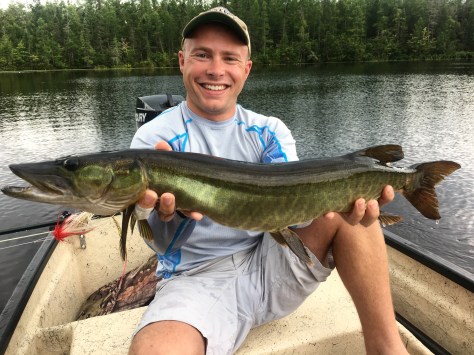
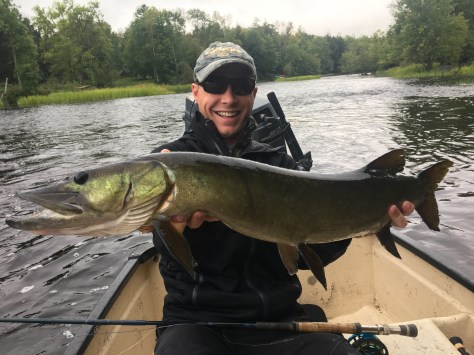
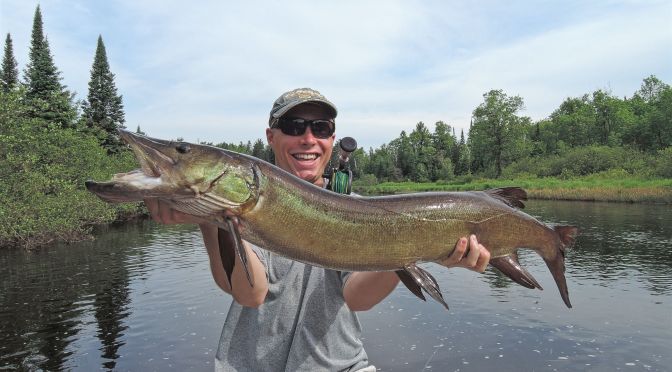
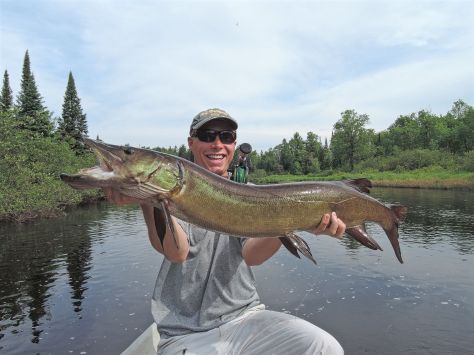
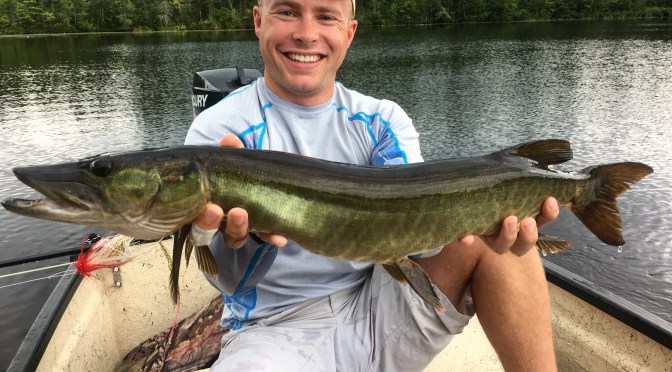
Day one of fishing for the week turned out to be the most productive, in that we managed to land three muskies, including a monster that will be classified as a fish of a lifetime to me. Appreciate, every day of fishing throughout the week also consisted of several smallmouth bass and the occasional pike or walleye, but we are here to talk musky! After a couple hours into our day, I managed to catch a juvenile musky that got the “monkey off our back” and got our hopes up. What amazed me immediately was how a small 20 inch musky was eager to eat a 10 inch fly. Although this fish was a shining moment for the week, it was roughly an hour later that a true monster would be landed, and I would learn in a 20 second period what fly fishing for musky is really about. After throwing a massive baitfish pattern at the end of some faster moving whitewater, I watched my fly as I stripped it all the way to the boat. With about five feet remaining between the boat and the fly, I saw a massive creature flare it’s gills and inhale the fly…my heart immediately raced, and we had a monster musky on. After an insane minute of this fish jumping across the river, dodging the net, and snapping it’s teeth as we removed the fly, I was able to hold a fish of a lifetime and truly say that I had caught the musky fever. After taking a picture with our 40 inch beast, we continued casting away, and my dad was able to land his first musky on the fly as well. Not only did he land his first musky, but he also managed to catch this fish on a massive topwater fly, AND on Father’s Day. What a Father’s Day it was.
Joe Petrow – 40/41 inch Musky
After being truly spoiled on our first day of fly fishing for musky, we learned on day two and day three why these fish are so difficult to catch, and why this fish has been historically referred to as the fish of 10,000 casts. Although we were able to catch many smallmouth and a decent number of pike, the muskies were alluding us, and some mental insanity began. However, as Brad Bohen told us the first night we arrived, the method to the madness is to truly believe that the next cast will have a fish, and to keep hopes up always. And boy, would he turn out to be right.
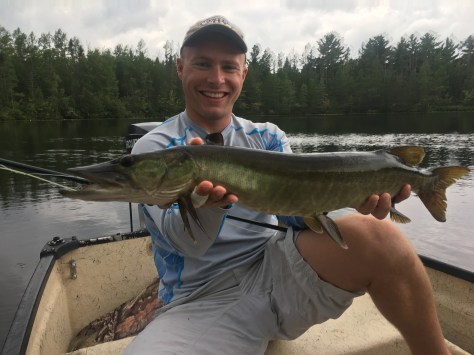
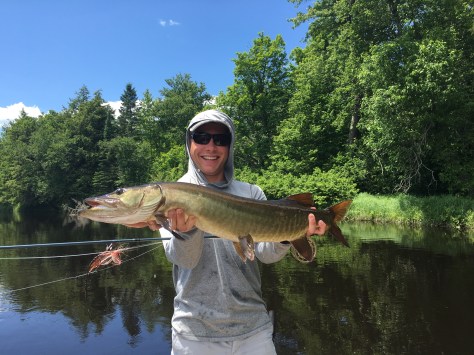
As for days 4 and 5 of fishing, we were able to get three more muskies to the boat, along with a follow from a massive fish that chased my dad’s fly all the way to the boat. We consistently noticed that the majority of our fish took the fly right at the boat, and we both began to realize that in this dark, stained water, you never know what could be lurking feet from your fly. As for the fight itself, picture a minute of raw insanity in which everything that can go wrong will, in that these fish sincerely do have an attitude and will do everything in their power to assert their dominance. On day 4, I was able to land a solid 32 inch fish, and my dad and I were EACH able to stick into 37/38 inch beasts on the last day of fishing. With the famous “River Pig” patterns that Brad and Weston tie up daily, we had finally found a reliable pattern, and ended our trip on the highest note possible.
Joe Petrow – 32 inch MuskyJoe Petrow – 37 inch Musky
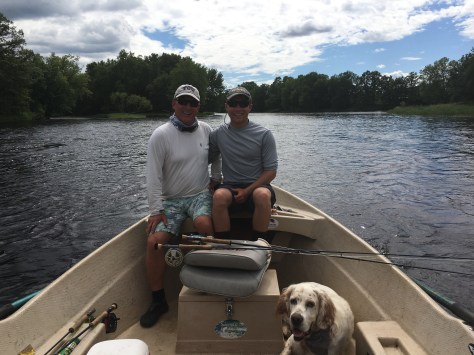
Although we both were bummed when our week of fishing came to an end, we knew that we would be returning back to Wisconsin soon to take on Part 2 with this amazing fish. To spend the week of Father’s Day on the water with my Dad was a memory that I will never forget, and I am truly beyond blessed to have a best friend that takes me fishing as much as he does. Below is a picture of two, new musky addicts, who fortunately took the time between hundreds of casts to get a picture worth a thousand words.
The time has come. Four years of college completed. Countless hours of studying, laughing hysterically with friends, and late nights exploring Fort Worth coming to an end. I don’t exactly know where my time as a college student went, but all I can for sure say is that as any chapter comes to an end, another page opens, providing new opportunities to be taken advantage of. As for me, with a diploma in hand, I found myself being fortunate enough to receive a fly fishing trip as my graduation present.
With it being late May, a celebratory occasion, and summer nearly upon us, the move was clear: time to chase tarpon. My family and I headed to the Forgotten Coast of Florida to fish with our good friend and guide Travis Huckeba, and what a week it would turn out to be.
With rain and heavy wind holding us back at the beginning of our trip, we found ourselves seeing very few fish, and having difficulty getting into the groove and pattern of things. Although we did jump a fish here and there, the tarpon were acting bothered and not yet in their migratory mindset. However, as goes any fly fishing narrative, we kept our heads up, feet down, and stayed persistent to land one of the most respected fish in the world.
On day three, the tarpon really started to pick up. With two eats, and more than a dozen fish seen, we knew that the days to come had the potential to be legendary. As for day four, insanity was about to begin, and we were ready to go.
With the day starting early as does every other day of tarpon fishing, we decided to play the patience game. Anchored on a flat that we had been seeing tarpon consistently cruising the day prior, we knew our time and shots would come. After breaking off a big fish early in the day, we re-tied on our trusty black poon fly, and within the next half hour we had another shot. A nice 70-80 pound tarpon in front of the boat. Cast, strip, set, let’s go. After a half hour battle (and rearranging the pieces on our 12 weight rod after they came apart mid fight) we had landed the silver king himself, and were able to get some amazing pictures by jumping in the water. Although the water was 5-6 foot deep, I couldn’t help but jump in with this stud of a fish, checking off my goal of catching a big Florida tarpon in one of my favorite places in the world.
Joe Petrow – TarponJoe Petrow – Tarpon
After celebrating our catch and taking some time to chug gatorade from the previous fight, we got our 12 weight ready once again and soon locked into a beast of a fish that I will never forget. We saw a pod of three fish coming with this monster being on the far right, and after a few quick and fast strips, the fish ate and immediately took off to a deep channel. Although the fish did jump a few times at the beginning of the fight, this tarpon was all about dogging it out and knew exactly where the deepest sections of the bay were. After a long, arduous hour and twenty-five minute fight, we had the gargantuan (120-130 pound) female tarpon boat side and began preparing to land the fish. Although we had been fighting the fish for over a hour, this fish still had tons of energy from the deep, oxygenated water in which we were fighting it in. With some concern for the health of the fish after such a long battle, we decided to lock down the drag fully to get a face grab on this fish. After putting on the gloves and grabbing the bottom of the leader by the fly as the fish was on its side, the behemoth took off once more, breaking the line with this final run. Although we were not able to get a quick picture with this once in a lifetime fish, knowing that she returned to the depths with full health and energy is what remains most important (especially since we had multiple leader grabs to officialize our catch long before this fish took off). Some pictures of the fight and fish are below, I apologize for not having more but all of our focus was on the intense fight.
120-130 pound Tarpon Boat-sideJoe Petrow and Travis HuckebaJoe Petrow and Travis Huckeba
In addition to the tarpon fishing, we made sure to get our redfish fix in as well during the week. Although we did not catch the numbers of redfish that we have been spoiled with in the past, we were able to get on a decent number of redfish that kept the 8-weights peeling the entire week. Countless numbers of ladyfish, sharks (including hooking into a 150 pound bull shark that nearly spooled our reel), and other species kept the week busy and plentiful.
Joe Petrow
Tarpon and fly fishing aside, this week was one for the memory books in that I got to spend time with my best friends and the people who have supported me all throughout my college career. Having my parents, best friend, and girlfriend all getting to experience a week of a lifetime is something that words cannot explain, but all I can say is that I am beyond blessed and grateful to have these people in my life. Love this life, love the tarpon, and cheers to new adventures ahead.
In a world filled with over 30,000 species of fish, it may be hard to believe that some fish can in fact make a fly angler’s hands shake when seen, or make a heart beat excessively when a tail slowly peaks out of the water. Although I find both adrenaline and excitement when I spot a fish that I am targeting, this past week in Ambergris Caye, Belize was a trip for the ages. Not only is any fishing trip with my dad my favorite way to spend time in this world, but catching a fish of my dreams made it even sweeter: permit. This week consisted of four full days of fishing in Ambergris Caye, Belize, with the target species being permit. With March known for school of migrating permit entering the flats, and with a week off for my final spring break of my college career, this trip seemed too good to be true. However, as the week went on, we soon learned that catching permit would be a reality for the week.
As for the first day of fishing, we discovered that heavy winds would be our major obstacle for the week. Although the weather was in the low 80s and the sky was scattered with both sunshine and cloud cover, the winds were relentless and averaged 15-20 knots daily. After spotting a couple of large permit on the move and making some good casts that led to refusal, we realized that spending the first day chasing bonefish would prepare us for the week ahead. Having fished for bonefish significantly in Belize in the past (three previous trips), we soon found ourselves in the backcountry searching for pods of hungry bonefish cruising the shoreline. Although the wind made casting difficult into the wind, we were able to land six bonefish throughout the day on small “Christmas Island” shrimp patterns and light-weighted “Bonefish Cookie Crabs.” Not only do bonefish put up one of the best fights relative to their size, they truly are a fish that amazes anglers with their beauty and sense of serenity when landed.
Joe Petrow – Bonefish
Day two of fishing would turn out to be one of the best days on the water that I have ever experienced in my entire life. The day started early at 7:30 and we began searching for schooling permit in deeper channels between sections of flats. Although the occasional permit was seen, these fish were extremely spooky due to the sunlight, and decided to move to another flat and wade fish in hopes of being able to not spook the fish. Upon arriving at our new flat, I noticed a massive shape in the water about 40 feet from where we stopped the boat. Huge barracuda. I decided to grab my 9 weight Orvis Recon that was recently purchased for my dad’s birthday present, and tied on a massive baitfish pattern that I had created for fly fishing for tiger musky and pike back in Colorado. Our guide instructed me to tease the fish on the first couple of casts and pull the fly away so that the barracuda would be looking to eat rather than getting spooked. After teasing the big fish and finally noticing anger on his end, I casted, stripped fast, and whack…fish on. We landed the barracuda after a 15 minute fight, and this would be the fish to get the skunk off our backs for the rest of the day.
Joe Petrow – Barracuda
The rest of the afternoon would become the highlight of the trip. After eating a brief lunch and drinking orange Fanta and Belikin beer on the boat, we began idling towards a section of flat in which our guide said permit will sometimes school up in. Upon arrival, we noticed a massive section of nervous water on the flat, along with one other boat frantically casting off of the bow unsuccessfully roughly half a mile down the flat. We decided to anchor the boat, and see if the section of nervous water came our way. And sure enough, at 21 years of age, I would soon be landing my first permit. The nervous water turned out to be a school of roughly 100-150 permit, who were quickly moving down the flat, and I let out a cast roughly ten feet in front of the school of fish and let the fly sink. One strip…two strips…line goes tight…permit on! After roughly a five minute fight, I had a beautiful, truly flawless permit in my hands, and after a couple of pictures to capture the moment, more casting ensued on this massive school of permit that we managed not to spook completely due to fighting our first permit in the opposite direction. Madness continued to occur with this school of fish, in that we were able to land two more within the next couple of hours, and also lost one. At about 3:00 the school of permit began to slowly disappear, and we decided that this school of fish had blessed us enough for the day. Time to go catch some bonefish, and then head back in. But hold on…not so fast.
Joe Petrow – PermitJoe Petrow – PermitJoe Petrow – Permit
As we were heading back to shore, our guide ran up to the front of the boat, put on his sunglasses, and yelled “PERMIT! PERMIT! Stop the boat! Someone grab a rod!” Like a young boy who had just been told “first one to the finish line wins,” I grabbed our only rod with a shrimp pattern that was equipped with a ten pound bonefish leader (the other two rods were currently equipped with a tarpon fly and barracuda wire) and jumped into the water. Our guide pointed straight ahead and I saw a school of about 20 large permit hauling butt directly our way. I stripped out line faster than I ever have before, and began sprinting in the water to the right in order to set up the cast. Run, run, run. Go, go, go! Cast, cast, cast…land it. My cast had landed about ten feet from the front of the school, and as soon as I began stripping line in I had three nice permit competing over the fly. They kept missing and missing, until finally all of my fly line was in, except for roughly five feet of leader off the tip of my rod. I felt a significant take, and a bigger permit (roughly ten pounds) was on for about a second, then pop. Good ol’ fashioned line break. Regardless, the rush was one of the most amazing fly fishing experiences I have ever had, and it taught me to never been on a boat in search of permit without at least one rod ready to go with the right line (16 and 20 pound tippet were the move for the week, and any saltwater fish hitting a fly five feet from the tip of the rod is going to break 10 pound tippet like it’s nothing.)
Days three and four decided to call in mother nature for even more backup, and the wind continued to howl intensely. We ran across one spooked school of permit on day three, and lost one fish due to an awkward take. Although we did search the entire day for more permit (perhaps hoping to find the same large school we encountered on day two) we did not see any more permit for the remaining two days. But that is how fly fishing for permit goes: some days all of the stars lineup and provide you with an opportunity or two, and on other days you can flat out see nothing. Some days will even consist of everything seeming perfect, but then the fish will continuously refuse you for absolutely no apparent reason. The amount of respect that I developed for these fish this week is immense, and their beauty, intelligence, and ability to appear when most unexpected is something to highly appreciate and admire. However, as fly fishing in Belize seems to go most of the time, we were able to still land some great bonefish for our remaining two days and countless memories were made during every cast.
Joe Petrow – BonefishJoe Petrow – Bonefish
Although I have been blessed and fortunate enough to have had countless days on the water with a fly rod in hand and my dad by my side, this week will forever be one of the most memorable to me. Not only is catching a fish as highly respectable and impressive as a permit a moment that I will forever cherish, but being able to do it on my last spring break in college with my best friend is something that words cannot express. Fly fishing continues to amaze me with the emotional motivation it provides me with, and I will definitely be chasing more permit in future trips throughout my life with the man who has helped shape me into who I am today.
This life is sweet, God is good, and every day continues to bring new hope and adventure. Tight lines and best wishes to all.
Fort Worth, Texas. Late January. Cold as you know what…
The carp aren’t rising, the largemouth aren’t shallow, it looks like a pretty dismal time of year for the avid urban fly fisherman. I found myself in this predicament all throughout January, causing me to search for limbs to climb out to and hope that there may be an adventure around the corner that could give me my fly fishing “fix” during these cold months.
When considering what species really thrive in the colder months based on the fly fishing I have done in the past, I began thinking about trout, redfish, snook, and even tarpon in certain parts of the world. However, being in landlocked Texas, I soon began to think about one species in particular: striped bass (stripers). Striped bass are a species of gamefish in which are predominantly sought after in the North Eastern United States, and can grow to massive sizes (40+ pounds) in the saltwater. In the mid to late 1900s, it was accidentally discovered that stripers could in fact breed, grow, and thrive in freshwater environments, allowing an opportunity for landlocked states with reservoirs deep enough to maintain cold water temperatures. Stripers find themselves happiest and willing to eat with water between 50-55 F, but need a slot from 40-60 for optimal survival. After some research, I found a “secret” location in which has been terrific for striper fishing. This Texas spot is not one that is easily accessible, and not many people know about it (unlike other popular striper locations throughout the state). I usually am more than willing to share information about locations, but this one is too special to risk.
Joe Petrow with a large Texas striperJoe Petrow with a Texas striperJoe Petrow with a Texas striper
The best part about fly fishing for stripers (to me) is being able to throw big, flashy streamers during the middle of winter. A little bit of news here in that I am now tying my own flies (will post about this later, but am currently approaching my 100th fly made mark). Throwing only my flies to these stripers has not only proved to be extremely successful, but has made the overall experience of catching these fish even more enjoyable. I can’t wait to keep testing out flies of my own.
As for the last couple of trips, chartreuse and white colored bait fish patterns have been absolute nails. Whether these are clouser minnows, or even bunny patterns that I have been making, this color is terrific in both clear and dirty water it seems like. However, I have also found success with black and red saltwater flies that I use for redfish and even sharks to be successful. These stripers will sit in the deep pools at the ends of fast currents, and will hit these flies aggressively when the time is right. Stripers are known to actively eat and swim throughout a water column and constantly move throughout the day, so being able to fish multiple spots and find fish in nearly all of them has been unbelievable. The fish have ranged anywhere from 5-15 pounds, and the fight on a 6 weight rod is a spectacle of its own. These fish will dog you into the deepest section of the river, and it has made withstanding the wind and cold well worth it for January. I am confident that fish ranging between 15-25 due indeed live in this river system, but it will take some dedication to larger flies and deeper water to find out.
Joe Petrow with a Texas striperJoe Petrow with a Texas striper
The striper has been a fish that can now be checked off of the “species bucket list,” and I’m hoping that the continuation of these trips will be as successful in February. My next outing will consist of trying to find the larger fish, making me bring out the saltwater flies and heavier tippet. Once March hits, I will be on my way to Louisiana to fish for monster redfish, providing a transition into spring that couldn’t be any more ideal.
Finally…The end of the semester. Finals taken, grades posted, bags packed to the brim with unfolded clothes. Life is pretty good. This year, in addition to packing my typical suitcase, I also found myself packing up my Sage XI3 8 and 10 weight fly rods. It’s clear that a father son fishing trip is about to begin. With the destination being Isla Holbox, Mexico, and the desired result being lots of tarpon (for the second time this year), expectations were high and fly boxes were filled as we headed towards Dallas Love Field airport.
Look, we all know it’s the winter, and I know some of you reading this are saying “there are no places to fish for tarpon in the winter.” I myself had these preconceived notions until furthering my research of the fishery in Isla Holbox. The juvenile tarpon fishery is a year round spectacle, while the migratory (bigger fish) come in late May and begin to head out in late August. Appreciate, there are still some 100+ pound resident tarpon that inhabit the area, but the conditions need to be ideal in order for one of these guys to give you a shot. As for us, we are every bit as happy going after the Baby Kings (because becoming the Silver King needs to start somewhere). This week proved that not only is the fishery outstanding during the winter, but that catching juvenile tarpon (ranging anywhere from 8-20) pounds is indeed a reality this time of year.
The weather and conditions at the beginning of the trip were awful to say the least: 25/30 knot winds blowing out of the north, heavy rainfall, zero sunlight. It was beginning to look like this trip may even get cut short momentarily, in that the weather forecast did not appear too optimistic for the rest of the week. The issue was not the wind or the rain so much, but the clarity of the water in certain areas was the concern. However, our guide and friend Captain Sandflea, said that the wind and weather would gradually improve and that the tarpon should be hungry and active after a couple of days of funky weather and no (I literally mean 0) boats on the water. It wasn’t going to be picturesque flats fly fishing that you see in magazines at the beginning, but there were fish to be jumped and caught. Thus, after sacrificing one day of fishing to the weather, we headed out at 6:30 AM ready for round two with the silver king himself.
Fly fishing for tarpon in the winter is an interesting topic. Obviously there are many experienced fly fishermen (and fly fisherwomen) who have their opinions on tarpon, and tactics will change based upon the season. Having fished for tarpon over the past couple of years, and seeing impressive success during our trips to Holbox, I have come up with tactics and opinions on my own: please refer to my post regarding tarpon tactics here. But this post is focused on fishing this week itself!
The first day was indeed windy and gloomy when it came to the weather. However, there were an abundance of tarpon on the flats, in that the tide was extremely low for the majority of the day. We found that the tarpon would move into the mangroves on high tide, but would be actively eating on the flats during low tide. Day one consisted of getting two tarpon to the boat, and jumping three more. The flies of the day consisted of an orange and tan tarpon bunny (my overall favorite tarpon fly, see post on tarpon tactics here) as well as a light chartreuse and white deceiver. Although the tarpon were not monsters, getting two 8-10 pound fish in the boat was a great way to start the trip; especially with the weather at hand.
Joe Petrow
Joe Petrow
Day two was possibly the best day of tarpon fishing that I have ever experienced. Although the weather was still subpar, the tarpon were absolutely hungry and on the move. Both on the flats and in the shallows. Tarpon bunnies, toads, and even modified deceivers were immensely successful. With four tarpon to the boat (including a roughly 12 pound tarpon by my dad), the day was spectacular. The biggest fish of the day found a way to get itself wrapped around the push pull and motor after a missed attempt of landing it, thus in a heroic attempt to grab the fish before the line broke, I jumped into the water and attempted to grab the tarpon. Many laughs ensued, but I was willing to go all out to get this fish in the boat for a picture. After our guide grabbed the leader, the fish got off, but still was indeed a landed fish due to the fact that the leader was grabbed while trying to pull the fish on board. We also fought two more fish later in the afternoon for several minutes before they jumped off during the fight. On the 8 weight Sage XI3, this was a blast.
Joe Petrow
Joe Petrow
Day three was very intriguing, but yet full of excitement to say the least. A beautiful morning: winds probably around five knots, bright blue skies, fishing with Captain Sandflea himself. However, the tarpon were acting as difficult as I have ever seen. We only saw a handful of fish roll the whole morning, and it seemed as if no matter what we threw at a school, the fish were uninterested as could be. The one “break” that tarpon will many times give fly anglers is that they will roll periodically to collect air (yes, tarpon do this, it’s weird…I know). This allows anglers an opportunity to help locate a school of feeding fish, and especially if essential for fly anglers in that you can position the boat for the right cast before a school comes your way. After a morning of countless refusals, Sandflea decided that we had to completely change the strategy for the day. He believed, correctly, that the tarpon were acting so hesitant due increased amounts of barometric pressure from storms about to roll in on the next day. Wisely, he chose that we fish a deeper channel in which he sees fish roll daily, tie on a heavier weighted fly, and position our boat as far away as possible so that we do not spook the fish. After about thirty minutes of seeing two different schools of tarpon rising and moving back and forth between the channel, I noticed two tarpon roll at my two o’clock. I threw out a great cast with a heavy purple and white clouser minnow and two baby tarpon missed the fly: pretty saddening after a tough morning. However, I still noticed nervous water in the same area, and let out a long cast on the money again. Strip…strip…Whack. Tarpon on. After many aerobatics and pulling to the backing on my reel, a juvenile tarpon pushing 20 pounds was in the boat. This fish was one that I will never forget, and was truly a trophy when it comes to juveniles this time of year.
Joe PetrowJoe Petrow
As for the last day, the weather turned for the worst once again. High winds, low water clarity, high barometric pressure. Thus, we only had about three shots at tarpon: all good casts, but the tarpon were not cooperating. Although the last day of fishing was extremely tough, the week was one for the memory books.
Isla Holbox will forever be a special place to me, and as for round two with the silver king, I couldn’t have asked for a better week. Fly fishing with my dad, great food, cold beer, and many tarpon to the boat. What a start to the New Year and the Christmas season.
Merry Christmas everyone, and tight lines for 2016!
Four day weekends. Although this is one perk of still being a college student, there are many who unfortunately do not take advantage of these opportunities, and would rather spend a weekend with the mindset of “Netflix and chill” rather than waking up at 5am to go chase redfish.
However, for my best friend Jackson and I, Labor Day consisted of doing work to the best fish that swims in the world (in my opinion): redfish. Flying to Tallahassee, Florida on a late Thursday night flight, Jackson and I headed to St. George Island on Friday morning ready to meet up with our guide and personal friend Travis Huckeba (www.saltwatersolutionsflyfishing.com). With the sun shining, wind died down, and reds tailing, we knew that the day was going to be epic at the very least.
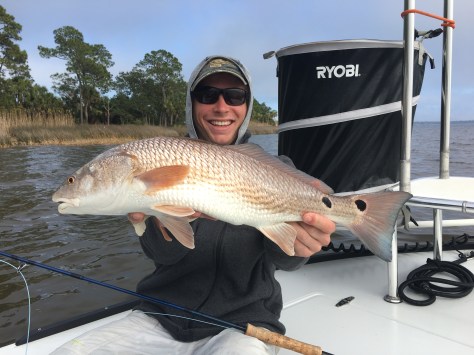
After a somewhat difficult morning of being unable to spot fish without light, once the sun came up at noon, there were reds everywhere. Floating up on the grass, tailing in the shallows, and even digging in the sand, it seemed like they were everywhere. Some flats consisted of redfish in schools of 20-40, all of them being in the 6-12 pound range (with the occasional pig). Throwing a large chartreuse and white deceiver turned out to be the move of the day, and several great redfish were landed throughout the day. With clear water, and light tippet, we were able to get these fish to the boat and make this weekend a trip for the ages (below pictures). The reds were eager to eat, but the light made them spooky, meaning long and light casts (except for one that was digging so far in the mud that Jackson dropped his fly in the grass and the red inhaled it).
Joe Petrow – RedfishJax and a RedJoe Petrow – Redfish
However, the highlight of the trip was an event that Travis told us he has only seen one other time in his time of guiding. While poling down a redfish flat, a huge shadow and tail emerged next to a residential dock that we initially perceived as a huge jack or redfish. As we got closer, we realized that this in fact was neither a jack nor a red: but the silver king himself. A tarpon. With Jackson at the bow to end the day, we were able to position this book extremely close to the fish (probably 20 feet), and Jackson laid out a perfect cast: WHACK. Tarpon on, 130 pounder. After a 10 second show of two jumps and a big run, the tarpon was off, but the memory will last forever. Only having on a 9 weight and 30 pound tippet, it was inevitable that the fish would get off (surprisingly it only got off and didn’t break the line). This was Jackson’s first time jumping a tarpon, and for it to come at such an unique opportunity (and for it to be a beast) made it one of the best fishing moments I have ever witnessed. It is only right after getting my tarpon fix in Mexico for a week to see my lifelong friend hook a fish that we will never forget. Look at that! Fly fishing once again showing how it’s the time on the water that means everything. This event was not a coincidence, but a gift from the big man upstairs wanting to see a show for himself. Spending the last afternoon blind casting on the flats (unsuccessfully) ended the trip on the best note anyone could ask for (below).
Joe Petrow
Here’s to friendships that live on both on and off the water,
Any avid fly-fisherman will tell you that no matter how many fish have been caught over the years, there is always one fish on the bucket list that is waiting to be sought after. Whether this fish resides in a completely different continent, or is the giant that has made his home under the bridge in your local river, there are fish that give fly-fisherman a reason to get out on the water and keep casting. Three years ago, I wrote my college essay on the never ending pursuit of a fish and how fly fishing will forever be a passion that keeps me going. And this week, after countless numbers of casts, trips, and fish caught over the years, I finally held the fish of a lifetime: my first Silver King.
Joe Petrow
For those who have experienced fly fishing for tarpon, most will tell you that the raw adrenaline and pursuit is what differs itself among other fly fishing opportunities. Not only can this fish be extremely allusive and unpredictable when searching for, but most experienced saltwater fly-anglers would testify that this is potentially the hardest fish to physically “land” in the world. Whether this is because of their rock hard mouths with little cartilage or soft spots for hook penetration, or from the multiple airborne jumps that create slack in the fly line within milliseconds, being able to have a “Kodak moment” with a tarpon on the fly is truly a special moment.
In pursuit of my first silver king, my family and I traveled to Isla Holbox, Mexico for the last week of summer in hopes of both tarpon and a relaxing week before my senior year of college began. We went fishing with the Isla Holbox Tarpon Club with our guides Jorge and Valentine, and with relatively good conditions, the week would turn out to be one for the ages. On our first day on the water, after jumping two 30-40 pound tarpon on big chartreuse bunnies and other natural colored deceivers, we entered a cove in which led into the vast mangroves that juvenile tarpon call home year round. Standing on the bow of the boat, and having seen a school of about fifteen tarpon rolling along a deep channel before the mangrove trees, I let out about a 50 foot cast with a green and tan tarpon bunny. One strip… two strips… ten strips…the fish finally hit right at the boat. After a 15 minute fight and much anticipation of getting the silver king to the boat, my first tarpon was landed and a sigh of relief along with multiple shouts of “YES!” made the day worth it all.
Joe Petrow with Tarpon
Joe Petrow with Tarpon (2)
Day two of fishing would turn out to be the best of the trip: a total of four tarpon were landed, along with eight more jumped throughout the day. The sheer numbers of schooling tarpon in Isla Holbox was unbelievable, and although the juvenile tarpon definitely were picky with flies and spooky in the gin-clear shallow water, my dad and I found the days relaxing in that finding more fish never seemed to be a long-term event. With this trip primarily focused on fishing for the juvenile tarpon, the fish ranges from 8-25 pounds for the week, with multiple bigger fish broken off on our 40 pound bite tippet (increasing the tippet weight led to spooked fish).
Joe Petrow – Tarpon
The last two days of fishing, although successful, were indeed more difficult and challenging. Although hundreds of tarpon were seen throughout the day, heavy rains in the afternoon increased barometric pressure making these fish more than difficult to hook. Nothing can be more frustrating to a fly-angler than seeing fish chase a fly all day, but not commit to the eat. However, changing to 25 pound bite tippet and throwing small natural colored deceivers ended up being the trick. These last two days of fishing proved that although traditional tarpon flies will work for bigger fish in normal conditions, when pressure is high and fish are spooky, don’t be afraid to reach for flies with a smaller body and a MUCH smaller hook. Although landing tarpon with smaller hooks and lighter tippet is exponentially more difficult, it will allow more hookups to happen, and for a seemingly unproductive day to become a success. As for the last two days of fishing, three tarpon came to the boat with four broken off, and at least ten more eats recorded. The last fish of the week consisted of a strong juvenile tarpon that peeled to the backing of my Sage XI3, and had the fly line cut my fingers on the take (third picture below).
Joe Petrow – Tarpon
Another plus for the week was the variety of other species caught on the fly. We caught several snook inhabiting the mangroves with the tarpon, and although no monsters were caught, some snook in the mangroves were bigger than the tarpon themselves. These Isla Holbox snook were not only aggressive towards a fly, but also made some tarpon commit to the fly before their counterparts capitalized on the opportunity. Barracuda, mangrove snapper, and other reef fish also were caught on the fly throughout the week (some unfortunately at times when a big tarpon was chasing the fly in). We also encountered two schools of permit in the late afternoon, along with bigger adult tarpon offshore on the third day of fishing: giving us a reason to soon return to Isla Holbox. Taking a day off of fishing to also swim with the hundreds of whale sharks (ranging from 21-27 feet in length) that inhabit this island was also a lifetime memory that will never be forgotten.Although catching my first silver king will forever be a memory that I cherish in my fly-fishing career, getting to share this memory with my dad and mom is something that I wouldn’t trade for the world. As I continue to get older, I begin to personally experience that solely catching fish has not made fly-fishing a passion to me: being able to spend time with those I love, and finding something that returns me to my faith is what makes fly-fishing “my thing.” The amount of times my dad has let me have the first cast towards a rolling tarpon or tailing redfish has not only showed me the meaning of why fly-fishing brings the best out of people, but it has allowed me to discover my best friend in my dad, and to discover a heart in my mom that has done so much for me growing up.
Here’s to the Silver King, and to the King upstairs who has blessed us with the lives that we live today.
Although big fish will always be the prize that any fly fisherman wishes to catch, many days on the water can be made from fish that are usually overlooked. Especially on a hot summer day when big bass and carp may be in the lower tier of the water column, it may be necessary to adjust strategies in order to get fish to the bank or the boat. As from my experiences in Texas this summer, bluegill and other species of sunfish have made 100 degree days worthwhile.
The beauty of catching a bluegill on the fly is that you can choose your preferred method. Whether it’s a foam spider, subsurface damselfly nymph, or even a big crawdad imitation in case a largemouth is lurking nearby, bluegill can be caught in a variety of ways. This characteristic makes bluegill not only a great “beginners” fish for those new to fly fishing, but can present a challenge to experienced fly fisherman wishing to catch a fish in their preferred way. From my experience, I have found it to be a challenge getting large bluegill to eat a fly when smaller gills are present.
As for this summer, the bluegill fishing in the DFW metroplex has been excellent. Whether it is in the trinity river or local ponds throughout the city, the bluegills have been active and have considerable size.
Fourth of July. Cold beer, hot dogs on the grill, setting off fireworks in the most unconventional ways possible, what more is there to love?
For this Fourth of July, one of my best friends from TCU (Triple) and I headed down to Seadrift, Texas to do some fishing for the weekend. With reports of speckled trout and redfish being above average, we headed down for three days with fly rods in hand.
Upon arriving Seadrift, we immediately noticed poor conditions. The water in the bay looked like chocolate milk with unnoticeable salinity, due to huge amounts of rain over the past month. Although these conditions were horrible to say the least, we kept our hopes up in that we would be fishing out of Port O’Connor for the next couple of days. And no matter what the fishing was going to do, we knew this trip was going to be a blast.
On Friday morning we headed out with one of the local fly fishing guides, and once again the conditions were extremely difficult: high wind, muddy water, a considerable number of boats on the water for the holiday weekend. Hoping to get some shots at redfish on the fly, I stood at the bow of the boat with my Sage Xi3 and Abel Super 8 reel in hand, while Triple skillfully casted a soft plastic in the back. It was not until 11:00 before Triple caught a huge +20 inch speckled trout did we have a fish in the boat.
At about 11:30, we finally began to see some big reds swimming around the flats: some being +30 inches easily. As we pushed into a deeper section of the flat, we noticed a huge section of nervous water with about 20 redfish tailing. After pulling our way towards the reds, I threw out about a 50 foot cast, and whack…fish on.
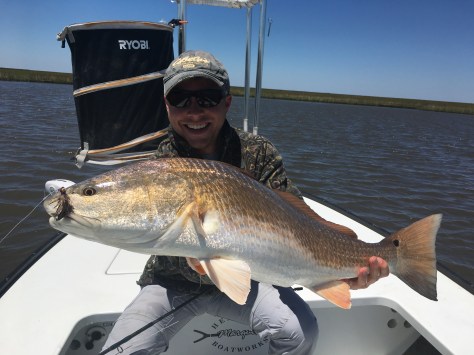
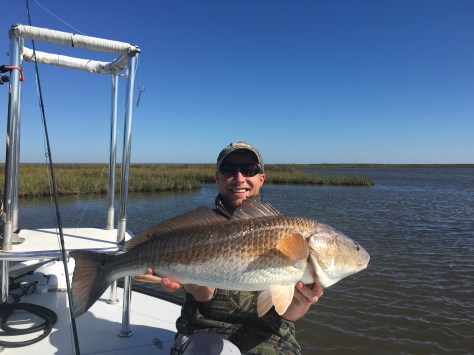
A beautiful 26 inch double-spot redfish (below) was landed, and Triple was able to double up with a fish on his spinning rod (below). The rest of the day turned on fire: over 15 reds landed and over 30 undersized speckled trout. Night fishing in the “chocolate milk” bay also produced two big flounder on soft plastics, and there’s no better way to end the day on that note with two cold Shiner Bocks in hand.
This story of overcoming seemingly tough conditions is going to be all too familiar to any serious fly fisherman, and there is no better feeling on the Fourh of July to overcome the obstacles, remain patient, and to catch the species of fish that will always remain #1 on my list. Although I have caught countless redfish on the fly, this one remains one of the most special in that I shared the memory with a lifelong friend, on the day in which America discovered freedom (allowing all of us to fly-fish).
Just a guy and his fly rod taking the road less traveled.