Category Archives: Bass

Transitions – Year Round Bassin’

For those of you who have followed this blog for some time, you will know that I am a fan of A) convenience and B) simplicity. Although the annual trips to exotic locations chasing big fish will forever bring excitement to all of us that love the fly rod, the reality is that making the most of our opportunities close to home are crucial when needing a “quick fix” away from work, life, school, etc. Not only this, but we need to be able to fish whether it’s rain, shine, or lord knows whatever else might be brewing out there. When I lived in Utah and Colorado, trout were my year round local fish to go after. Now that I have lived in Georgia for 5+ years, I have had to learn to treat bass as a year round option, and this past year was paramount in getting more familiar with the winter to spring transition periods.

For a quick summary – Georgia has a plethora of bass species. Everything from Largemouth, Spotted, Smallmouth, Shoal, and even Redeye bass. Although the Shoal, Smallmouth, and Redeye bass are a blast, these typically are “warmer” weather fish that are easiest to catch in Georgia during the late spring to early fall months. So for the “colder” weather in winter and early spring, it’s all about the Spotted and Largemouth bass for me in the local lakes.

Let’s start with the winter (I’m talking late November through end of February). After countless hours on the water (with no boat) exploring the best bass fishing lakes that Georgia has to offer, I have found that there are really three (3) keys to success during this season:

  1. Find the rocks and the sun
  2. Smaller flies > bigger flies
  3. Deeper is better

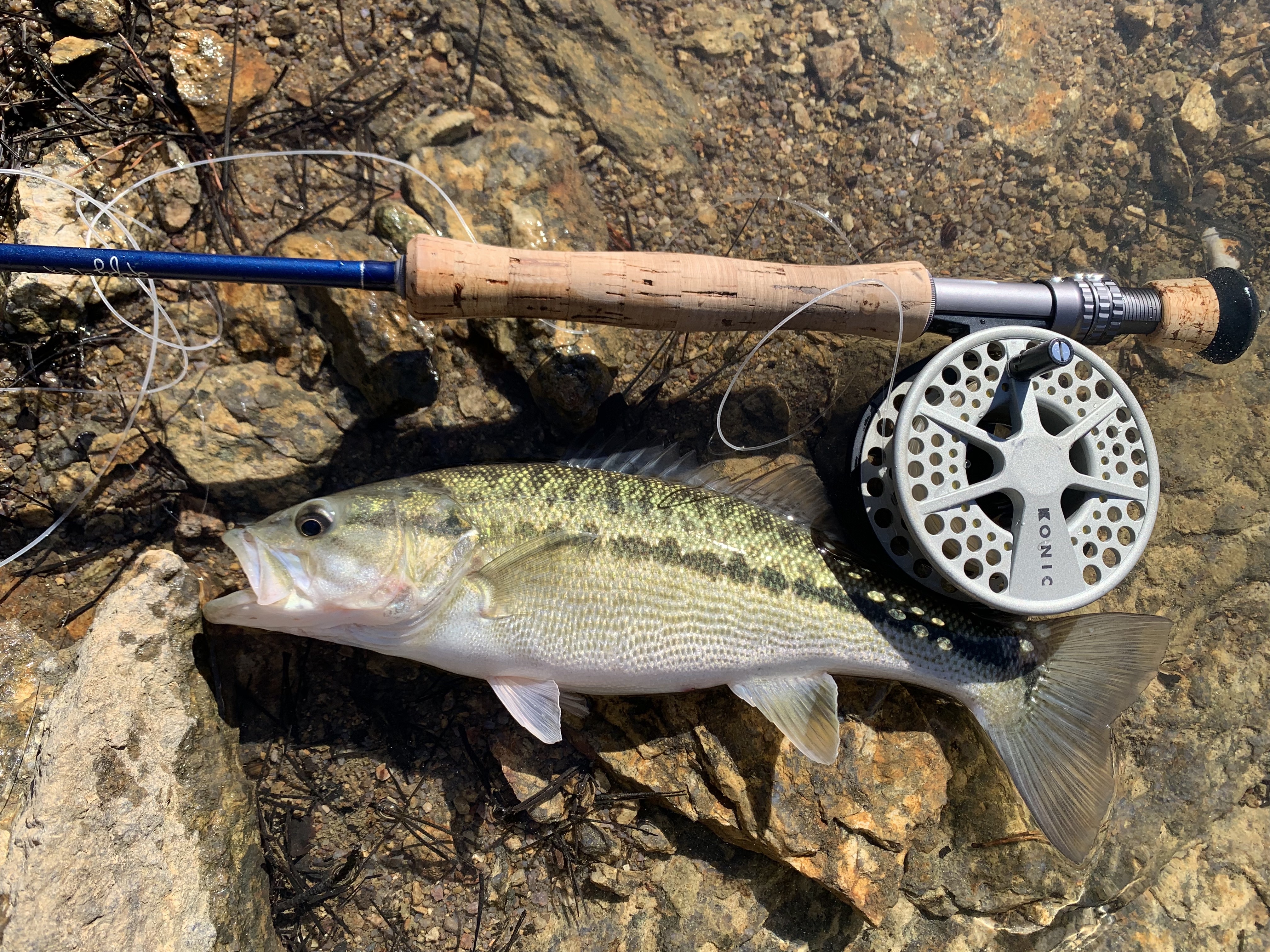
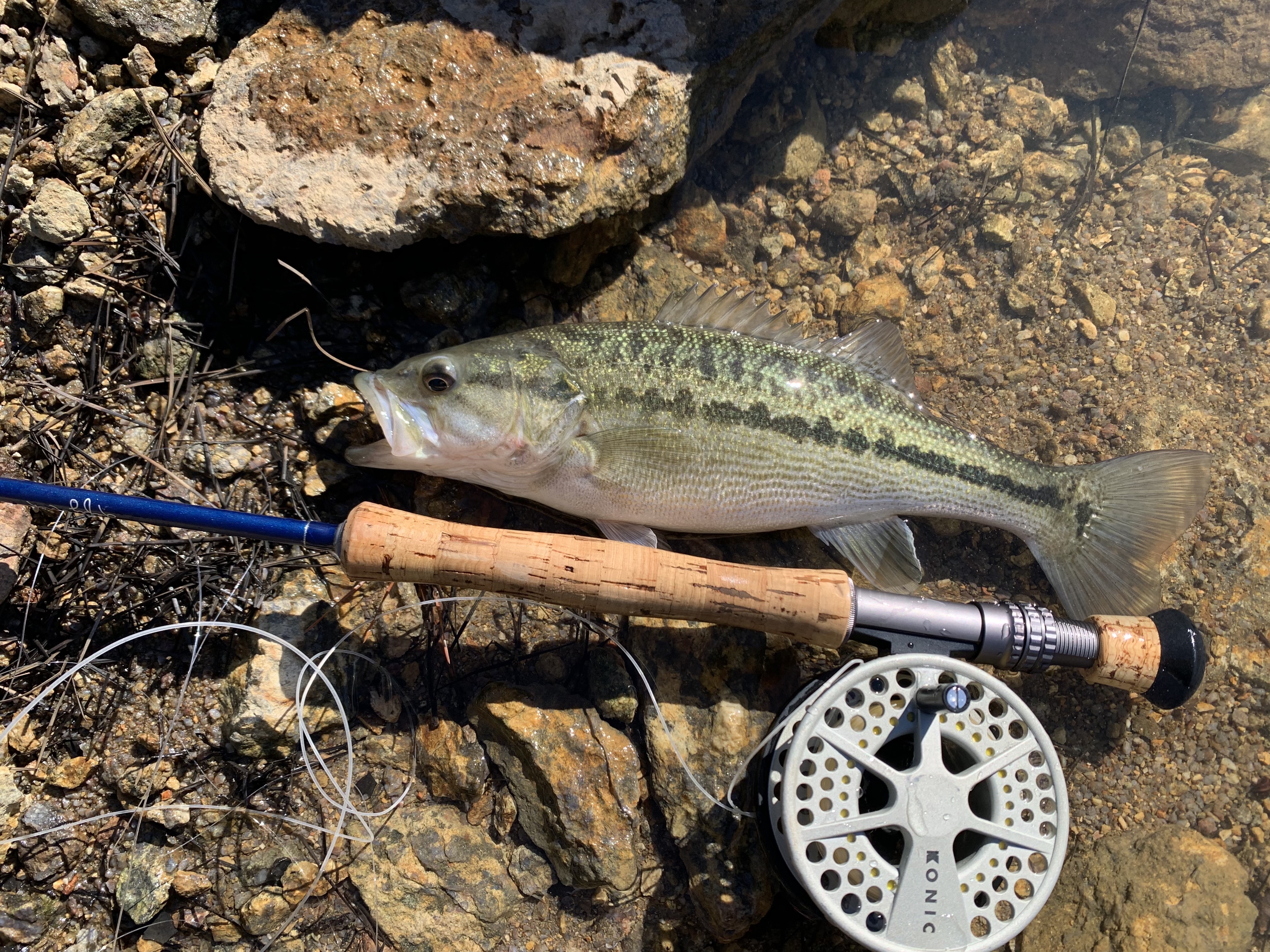
In the winter, Bass are trying to find any spot on a lake where they can collect some warmth. Even if the water temp is just a few degress warmer, these areas are bound to have more fish than the cooler areas of the lakes. I have found that large boulders and rocks majorly assist in providing some “sunning” opportunities for these fish, and would go so far to say that 90+% of the bass I catch in the winter are associated with large rocks, rock ledges, or rocky points on the lakes. In addition to this, I would say that 75+% of my winter bass are caught on smaller flies (no bigger than a size 2 hook) and on intermediate sinking fly lines. These fish really don’t want to put in overtime to eat during the cold, so make the “meal” of a fly as manageable and convenient as possible to them. Get the fly deeper into the strike zone, and make it a bite sized snack.

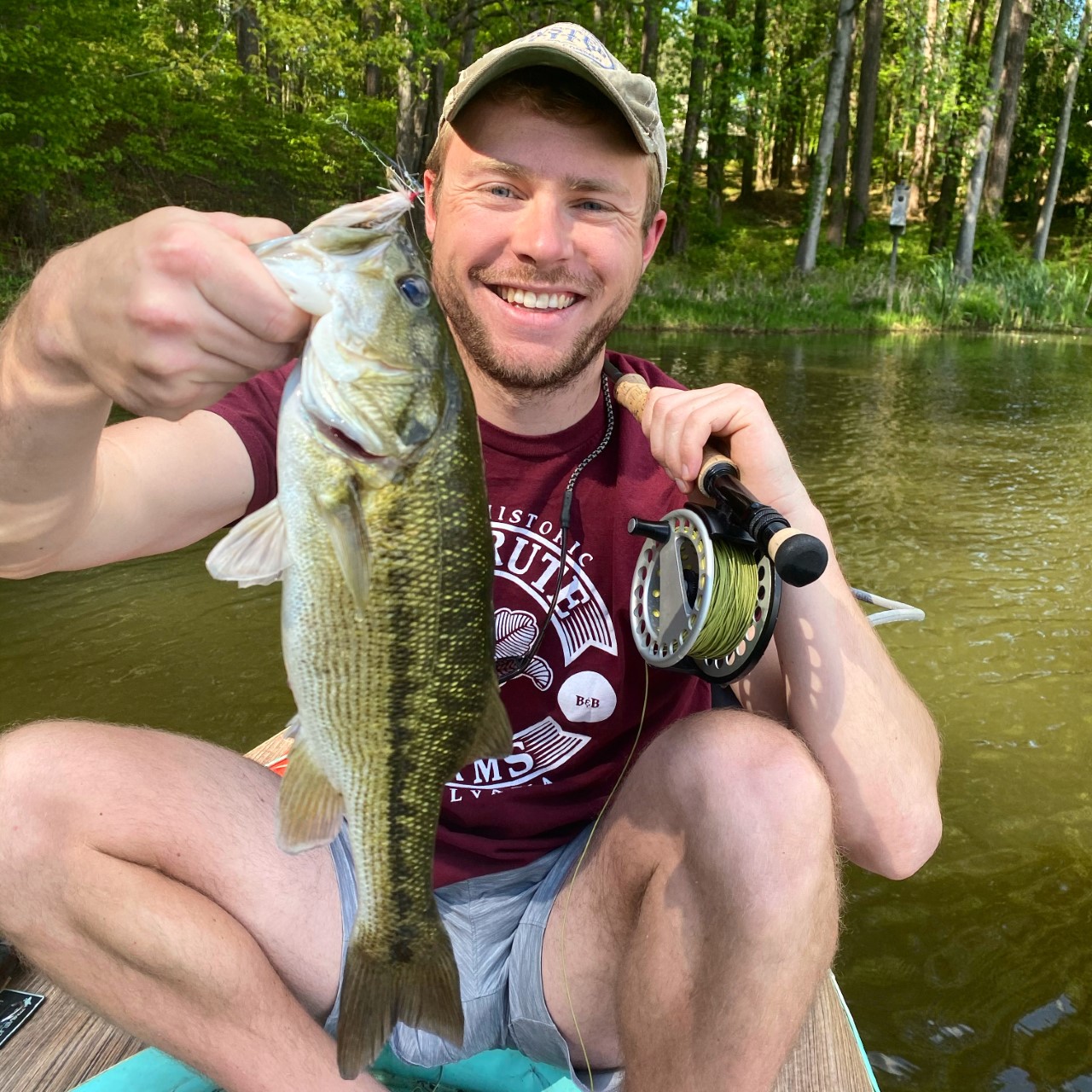
Here are just some examples of the beautiful bass I have caught in the winter:

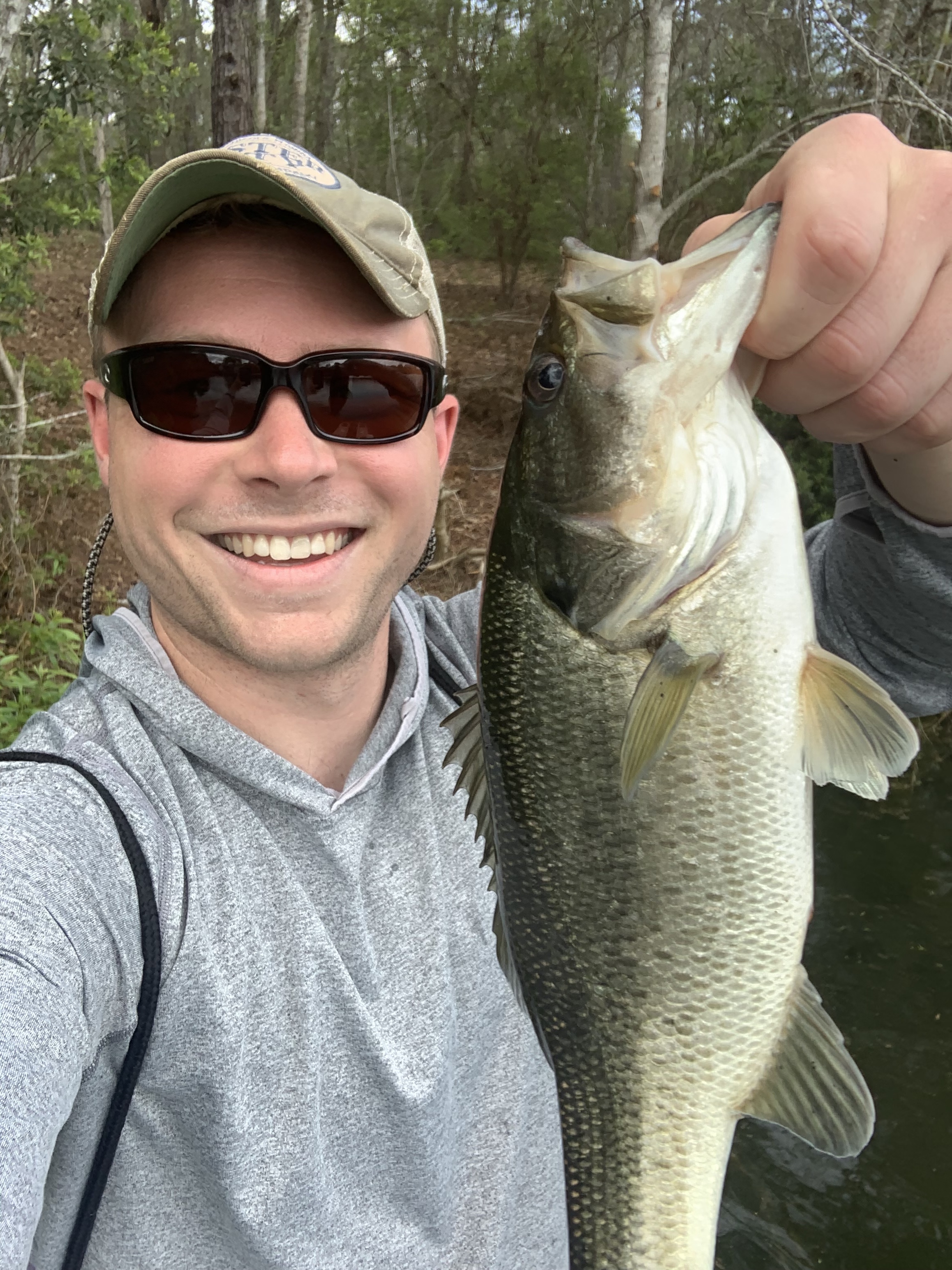
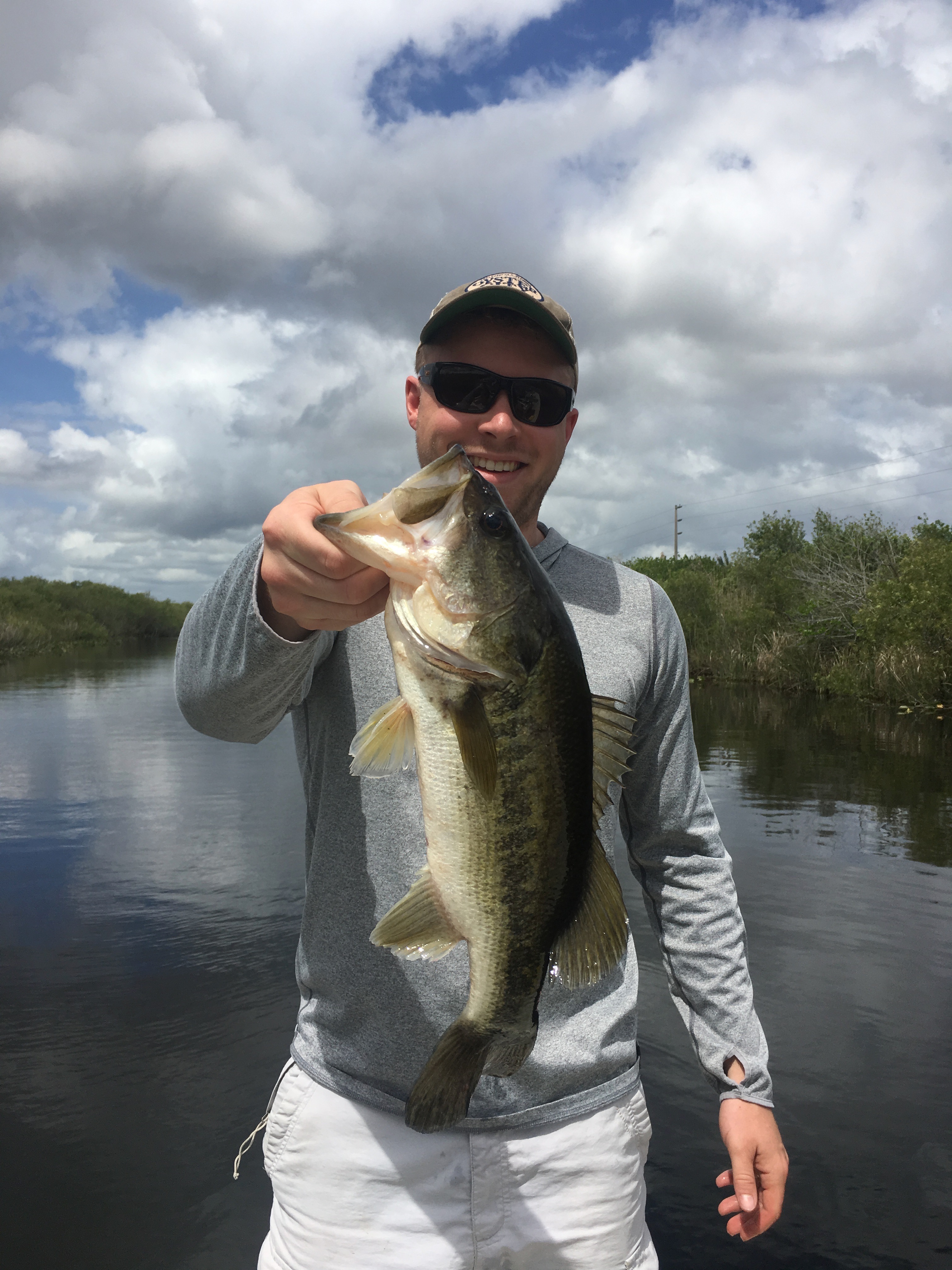
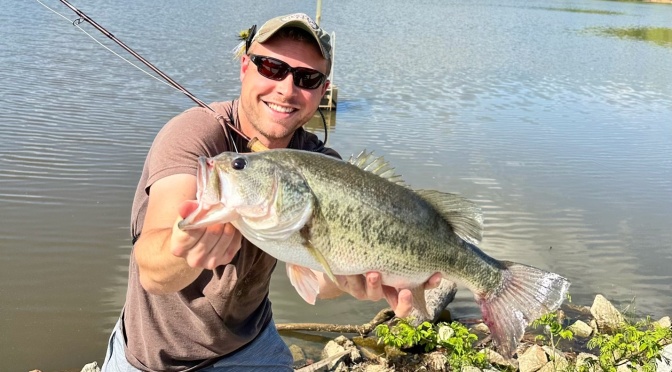
Now for the real fun…SPRING! It is warm, birds are chirping, the sunfish are out again, life is good. Hands down (in my opinion) this is the best time to target bass in Georgia/the south. For those of you that are keen on sight fishing and didn’t want to brave the winter, this is the time for you to dust off the fly rod and get after it. In 2023, the spawn took place earlier than usual it seemed, as I was finding huge Largemouth on their beds by mid-March. With that being said, April was a record for the amount of spawning bass I was seeing, and it actually led to my largest Largemouth I have ever caught (easy 8 pounds).

Joe Petrow – Largemouth Bass

I tried some newer techniques this year for spawning bass that proved to be productive, and some that also overcomplicated the situation. Similar to how I provided three keys for winter bass, I would say these are three keys for spring bass on the fly:

  1. No such thing as too shallow
  2. Don’t be afraid to Super Size that fly selection
  3. If you see one bass, there probably is a second (or third) that you can’t see

This past spring, I caught countless bass sitting in less than 2 feet of water. Moral of the story here is to use caution by the bank…don’t go clunking up right to the water’s edge as there might be a fish sitting there. You don’t need to be a psychopath and crawl up the bank (like some ridiculous trout guides will preach back West), but definitely give yourself 10 feet of space from the bank to monitor the situation. In addition to this, if you do find an aggressive bass that is sitting on a bed (or is just ravenously patrolling an area attacking sunfish), don’t be afraid to tie on a larger fly. Get their attention, strip fast, and hold on. Lastly, I have found that more often that not the bass will school up a bit shallow in the spring. So if you are sight fishing to one bass that is being spooky/difficult, make it a point to throw some blind casts around it as another might be lurking. OR even better, be prepared for another bass to come side-swipe your fly while you are sight fishing a different fish, as this is how I caught my largest Largemouth ever this year (was throwing a larger bunny strip, olive looking leach thing).

Joe Petrow – Largemouth Bass

As always, thanks for the read and hope that this provides some insight into how to get on the bass before the dog days of summer kick in. Tight lines!

Joe
When Spring is Springin’!

Every year at about the beginning of March, I start to itch. Not in a medically concerning or weird way…but in a way that most other fly anglers can relate to. When the sun is trying to peek out, the water temps are trying to creep up, and you are obsessing to get out on the water and try some of the “home tie” flies that you brewed up over winter on the vice. The winter months can keep you locked in (especially during the crazy pandemic times), but spring always tries to find a way to get us all out there.

Since moving to Georgia, the itch to fly fish has especially heightened come spring time. Unlock growing up in the west where fly fishing for trout in the winter was a staple for me while my friends would ski, I’m a little more weather dependent nowadays. Especially for some of the nearby/freshwater species that can be accessed quickly and consistently. This year, I experienced some of the best early spring fishing I could have imagined, especially considering the fact that I made it a point to learn the water bodies around me that I had not yet explored.

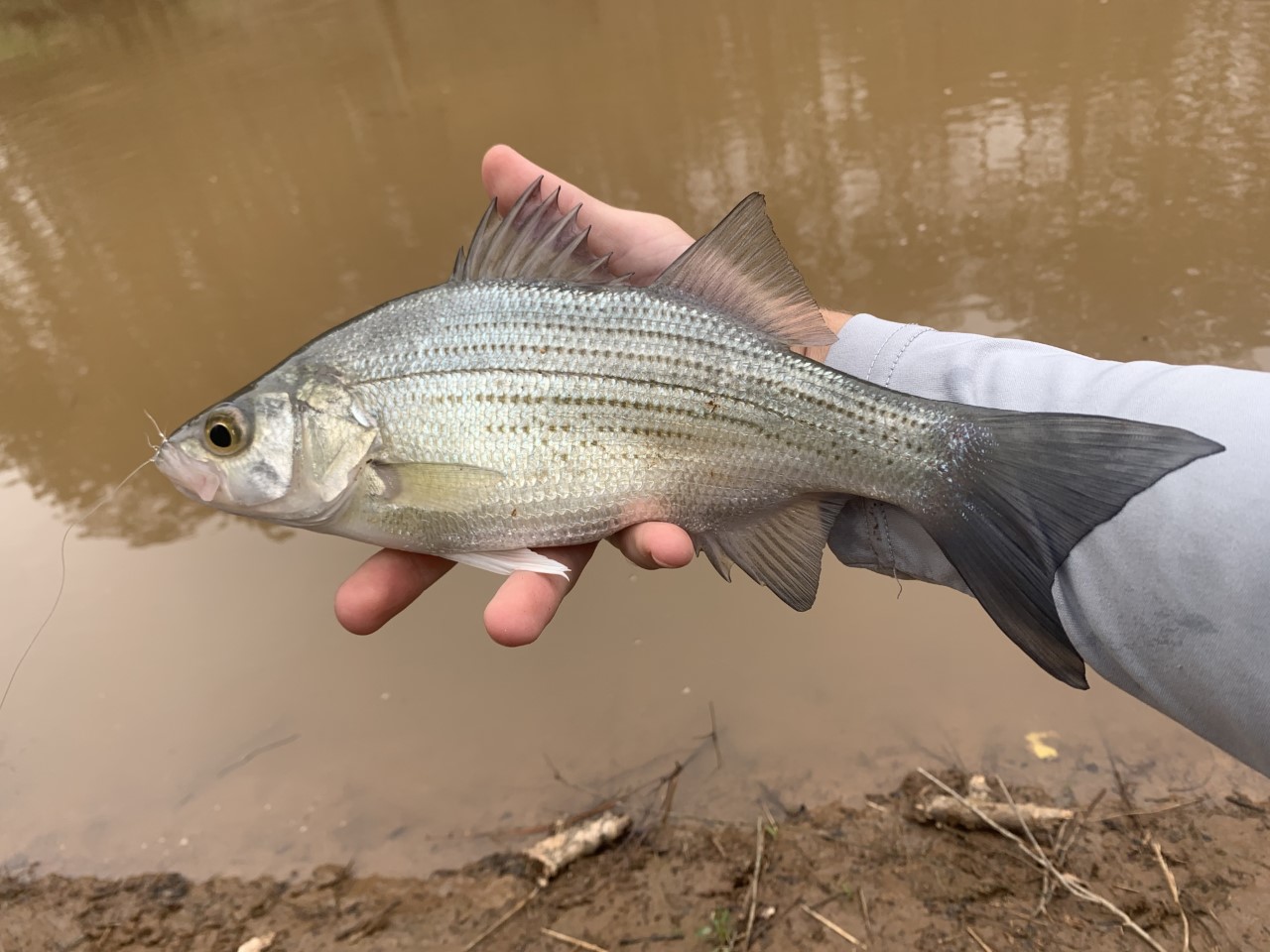
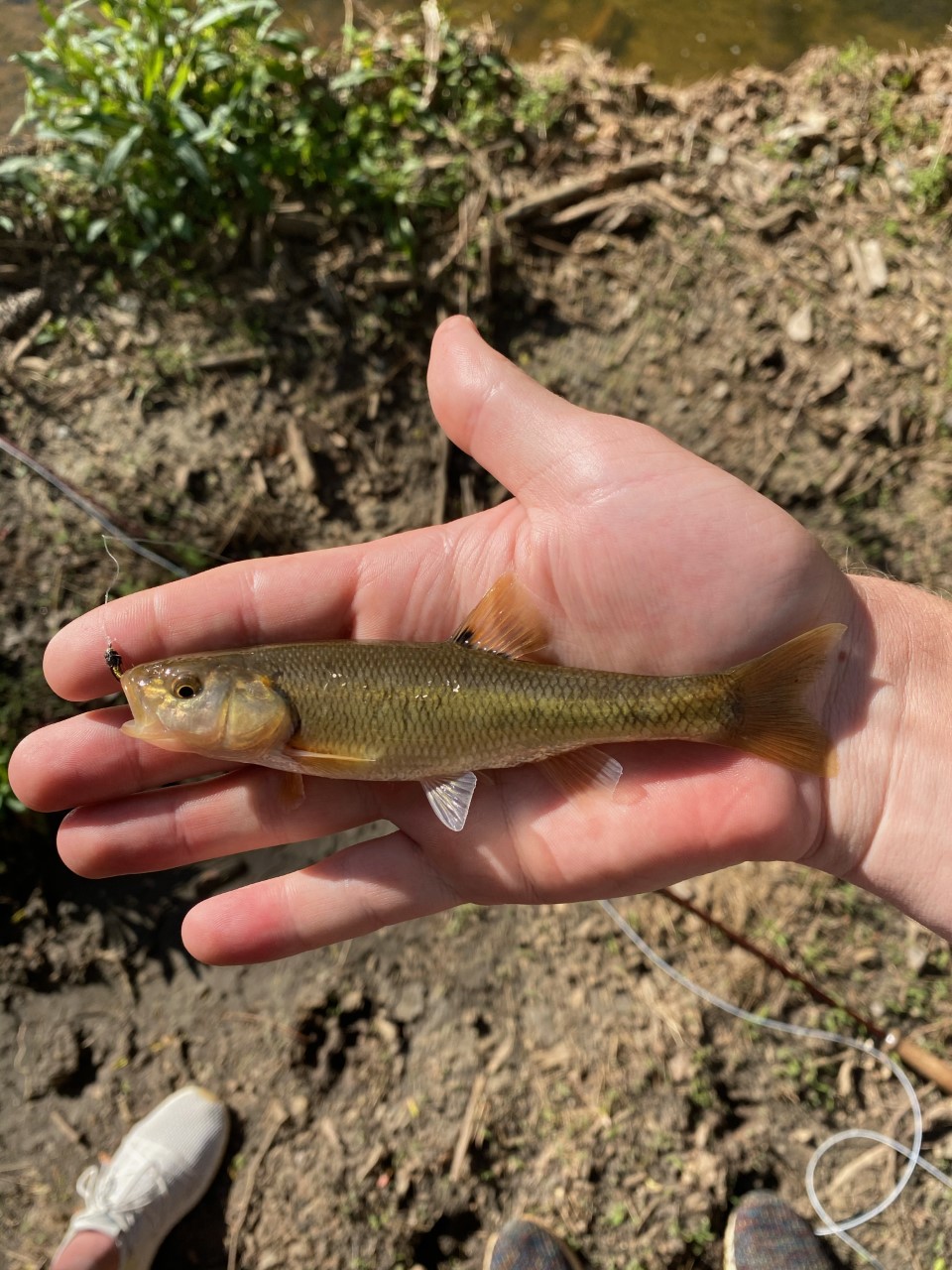
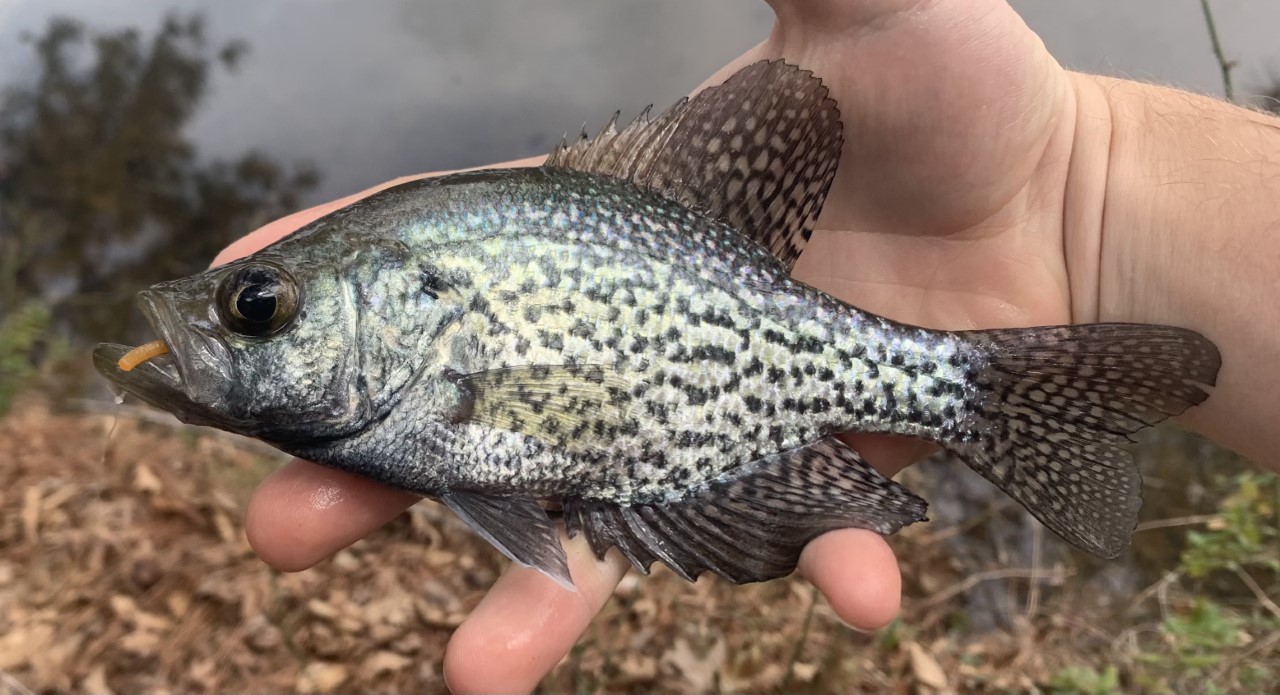
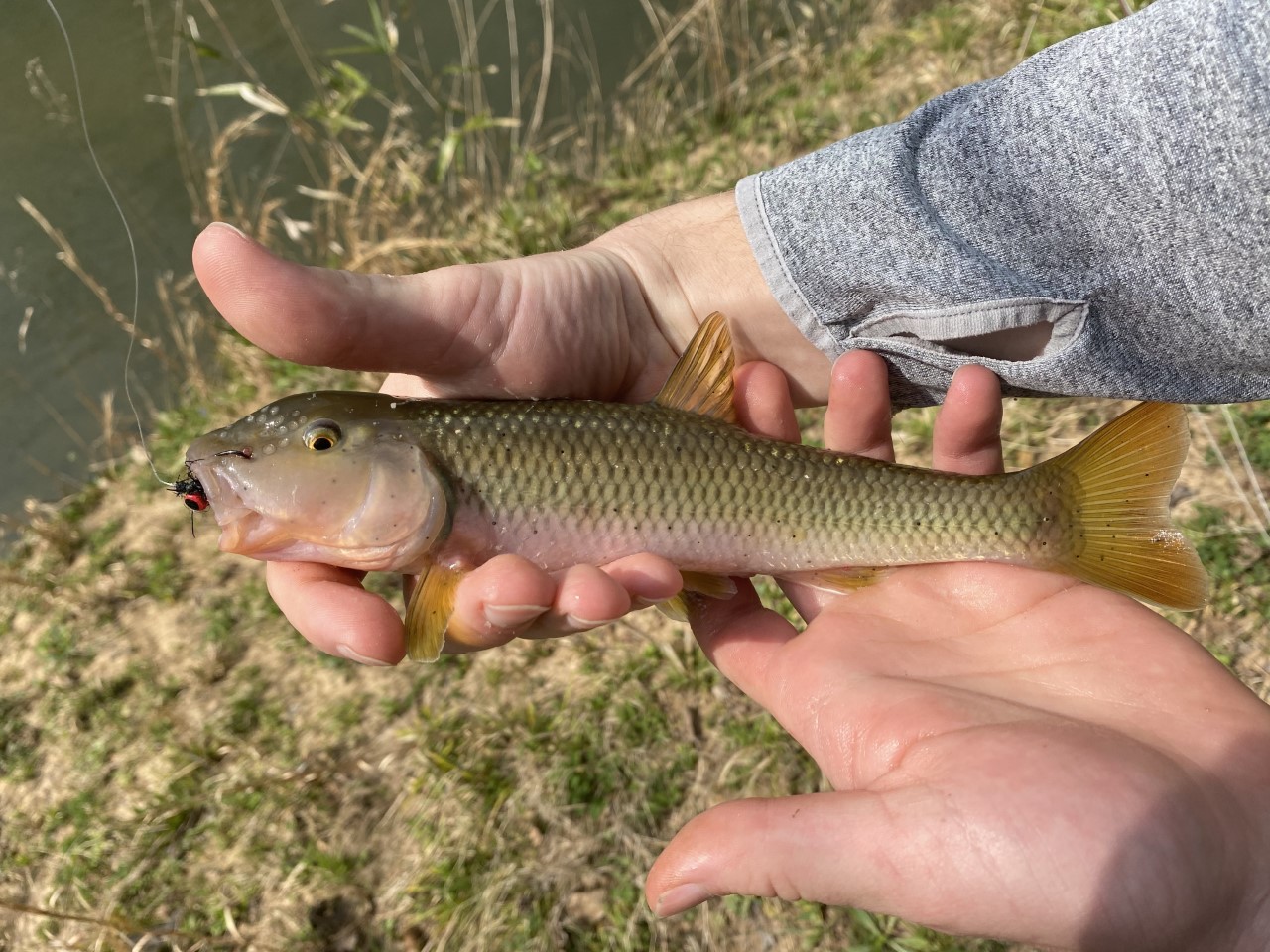
The species this spring ranged wide and strong. Depending on what rain levels do in the winter, the rivers can really kick up and create good opportunities for a variety of fish in both still and moving water scenarios. I have found in Georgia that spring is obviously pretty consistent for some early season largemouth and crappie, but have also found that it can be pretty killer for other species such as white bass, rock bass, and other creek inhabiting species that are often overlooked. The major lakes can also be productive for spotted bass and striped bass, but the weather needs to cooperate (especially for paddle board scenarios) in order to reach these fish at times. The cold water also makes you have to brave it out when you are motivated enough! Below were some great fish from this early spring.

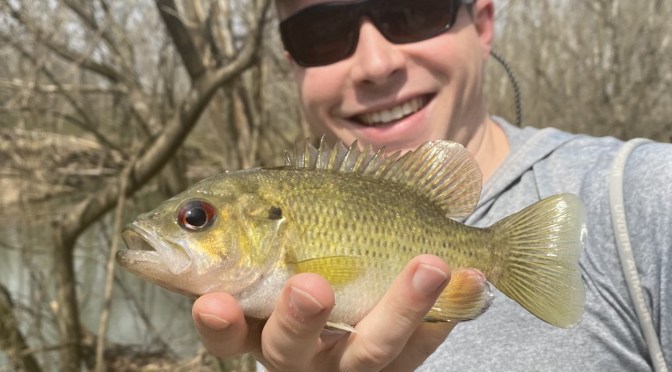
Joe Petrow – Rock Bass
White Bass – Joe Petrow

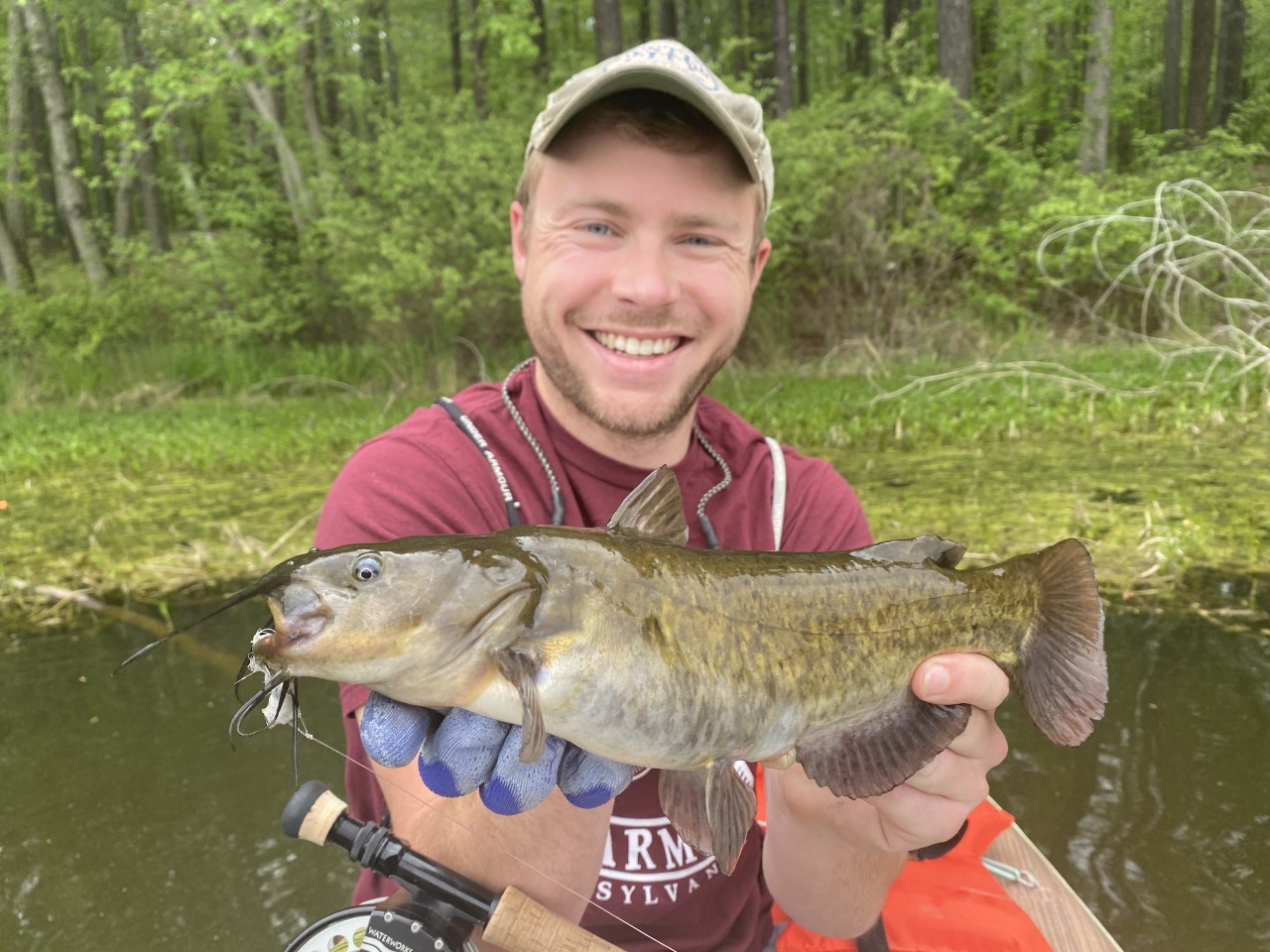
When it comes to the spring and fly fishing, I have consistently found the following three things to be of importance: patience, patterns, and persistence. In regards to patience, every year is a little bit different when it comes to the “lights turning on”. For example, this year I found the bass to be way more aggressive than years prior with the water still pretty cold. But like every other year, took me a week or two of getting on the water “too early” in a few of my go to spots to really figure out when they would show up. There isn’t always an exact calendar on which fish will arrive and be ready to eat a fly, so you need to be patient. In regards to patterns, the spring makes you change things up. Fish are still waking up at times, or you may be dealing with some more difficult water conditions, and you need to have different plans in place when it comes to techniques and fly selection. One example for me this year was fishing in more creeks than ever before with relatively large flies. Typically I will downsize flies in the colder months, but with water high this year and pushed up everywhere, I found that big flies in shallow water found some of the best fish. Some of my biggest spotted bass were caught this way. On the contrary, I ended up catching large bullhead catfish and rock bass on minnow patterns in deep trenches that I have not experienced before. As for persistence, it’s fishing. Need to keep getting out there to develop any sort of a sense for what the hell is going on. On many days you still won’t figure it out!

Joe Petrow – Spotted Bass

Unfortunately this spring, we had plans in place for two different Louisiana weekends to chase redfish that got cancelled due to weather. With that said, we made the most out of it with a variety of species. Many new to the fly rod for me! Hope to get back at ’em in LA this year, but makes you appreciate all of the local opportunities that much more!

Tight lines,

Joe

Georgia will be just Peachy

The curveballs of life. Some good, some bad, some undetermined until time has a chance to show you what opportunity awaits. As many already know, I recently relocated to Georgia from Utah, and the past year has seemed to fly by like crazy. Although leaving Utah was one of the most bittersweet events of my life so far, I definitely am loving Georgia and was very excited to jump at this new opportunity in life.

With this being said, one of the first things that popped into my mind before this move took place was “but what about the fishing..?” Upon first glance, I was viewing this as somewhat of a downgrade. To plug Utah really quick, other than Alaska, I would say that this is probably the second-best solely freshwater fly fishing state in the United States (Wisconsin/Minnesota could be in the conversation as well). I’m talking about the actual state itself…not in terms of proximity to other locations, in that the West is a tough place to state hop in a car. The variety of species and different bodies of water in Utah is pretty tough to beat.

With this being said, I’m finding that Georgia is definitely a dark horse fly-fishing state. As this post will discuss, the saltwater fly fishing opportunities in Savannah and other coastal towns is unbelievable, and the creeks/rivers and lakes also can be very productive. On of the biggest benefits of Georgia, however, is the proximity to other states – i.e. Florida, TN, AL. Whether it’s a 45-minute flight, or a 3-5 hour drive, you can be in some of the best saltwater fly fishing spots in the country. That one is benefit of the behemoth ATL airport.

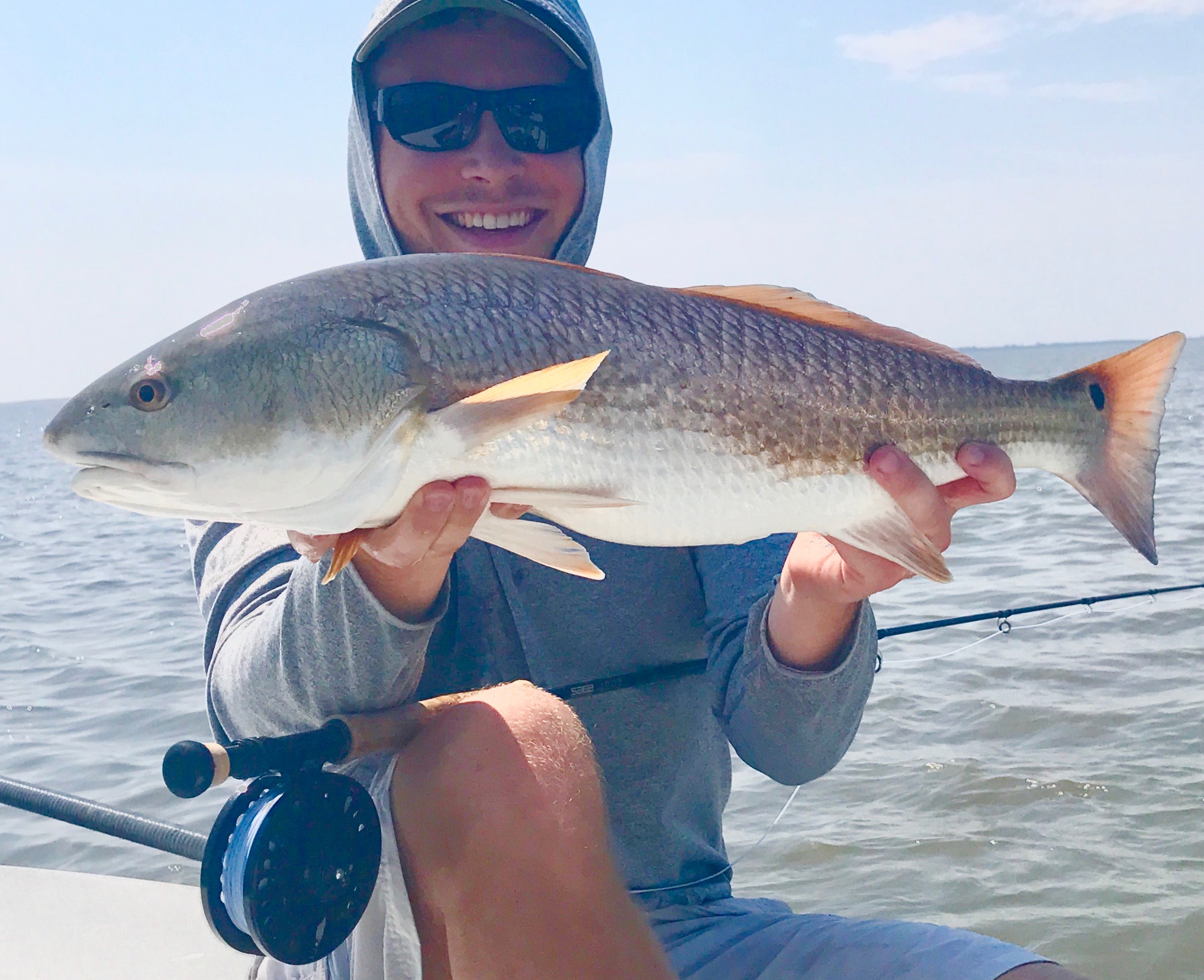
I recently had the opportunity to fly-fish for redfish down in Savannah, and boy was I impressed. Not only at the sheer number of fish we saw, but the quality as well. Pushing the flats boat up in two feet of water to catch quality redfish all day was pretty amazing for a 3-hour drive, and was a great way to test out new fly patterns. It reminded me a bit of Louisiana, but also of the Florida Panhandle, in that the water was clear but the marshes were vast. Savannah is also a special place to get a drink and nice meal after a hot day on the water.

IMG_0046 (1)
Joe Petrow – Redfish

FullSizeRender
Joe Petrow – Redfish

DCIM100GOPRO
Joe Petrow – Redfish

stsimonsred

In addition to the saltwater, I have been having a blast with the local creek and pond fishing in the Atlanta metroplex. Although it took a vast amount of research to find these somewhat urban spots, the species and experiences have been great. Whether it has been catching wipers below major dams, or sight casting big redbreast sunfish with topwater flies, the amount of fishing opportunities close to the city is definitely overlooked. There are also a plethora of largemouth bass, crappie, and bluegill in the local ponds, spotted bass in the larger lakes and rivers, and then even shoal bass in many of the creek systems. Georgia has been huge in terms of crossing new species off the list for me. Below are some of my solo-shots from recent outings.

Can’t wait to see what other fly opportunities present themselves in Georgia, and am beyond grateful to have a passion that follows me no matter where I live.

Tight lines!

Joe

Intro to the Everglades

Every fly-fisherman has those bucket list locations and fish that they want to get their eyes on before it is all said and done in this life. Whether it is catching a GT in the Seychelles, Golden Dorado in Bolivia, or Roosterfish in Mexico (as you can tell, I have some big future hopes for trips), the new experiences keep the passion alive and going. However, not all of these new experiences require an overseas trip.

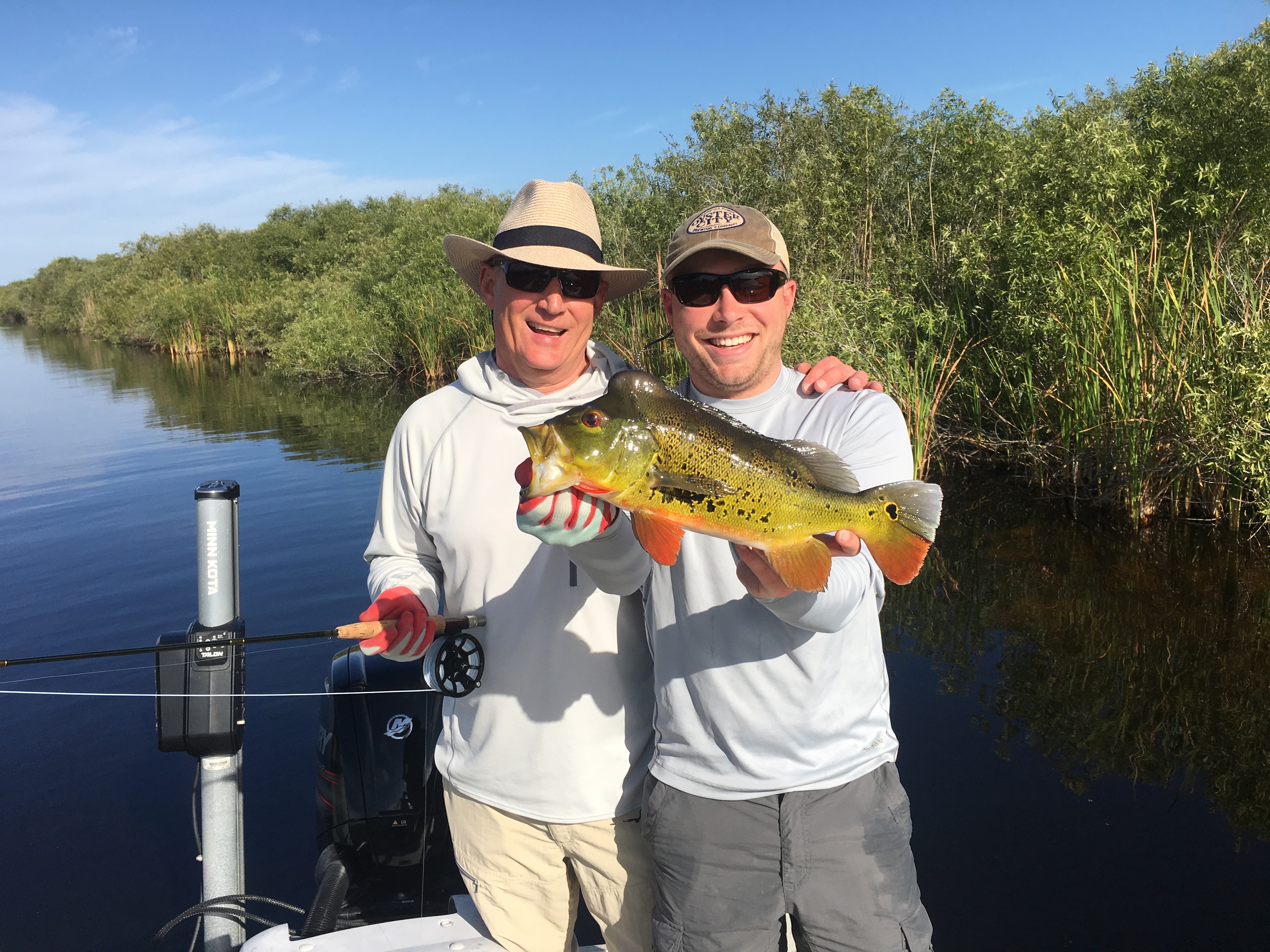
The one place I had been itching to get to in the good ol’ USA had been the Everglades. And let me tell you what, it blew away my expectations and I cannot wait to go back. With a long weekend in effect, the goal was peacock bass and other exotic species, and I’ll let the pictures speak for themselves.

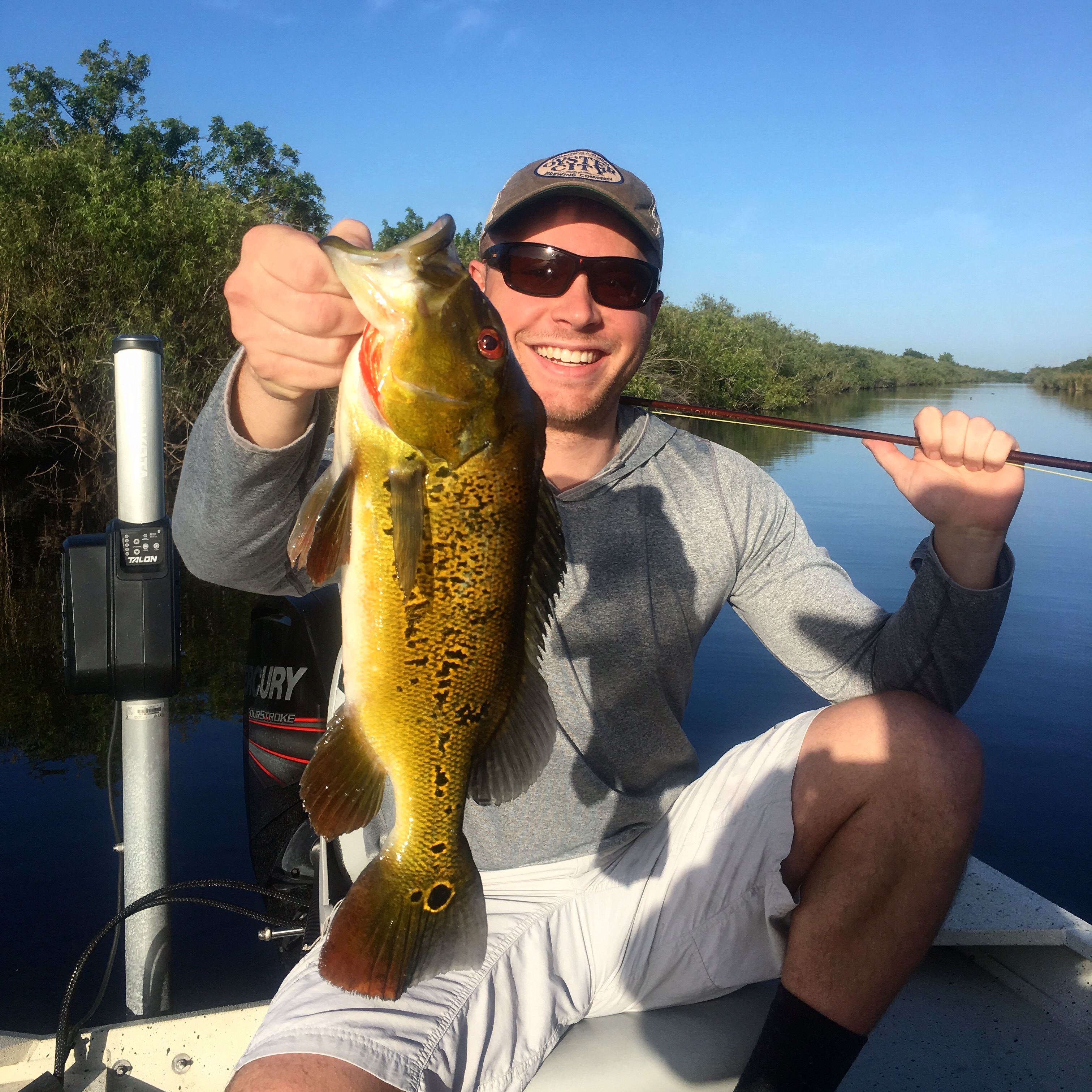
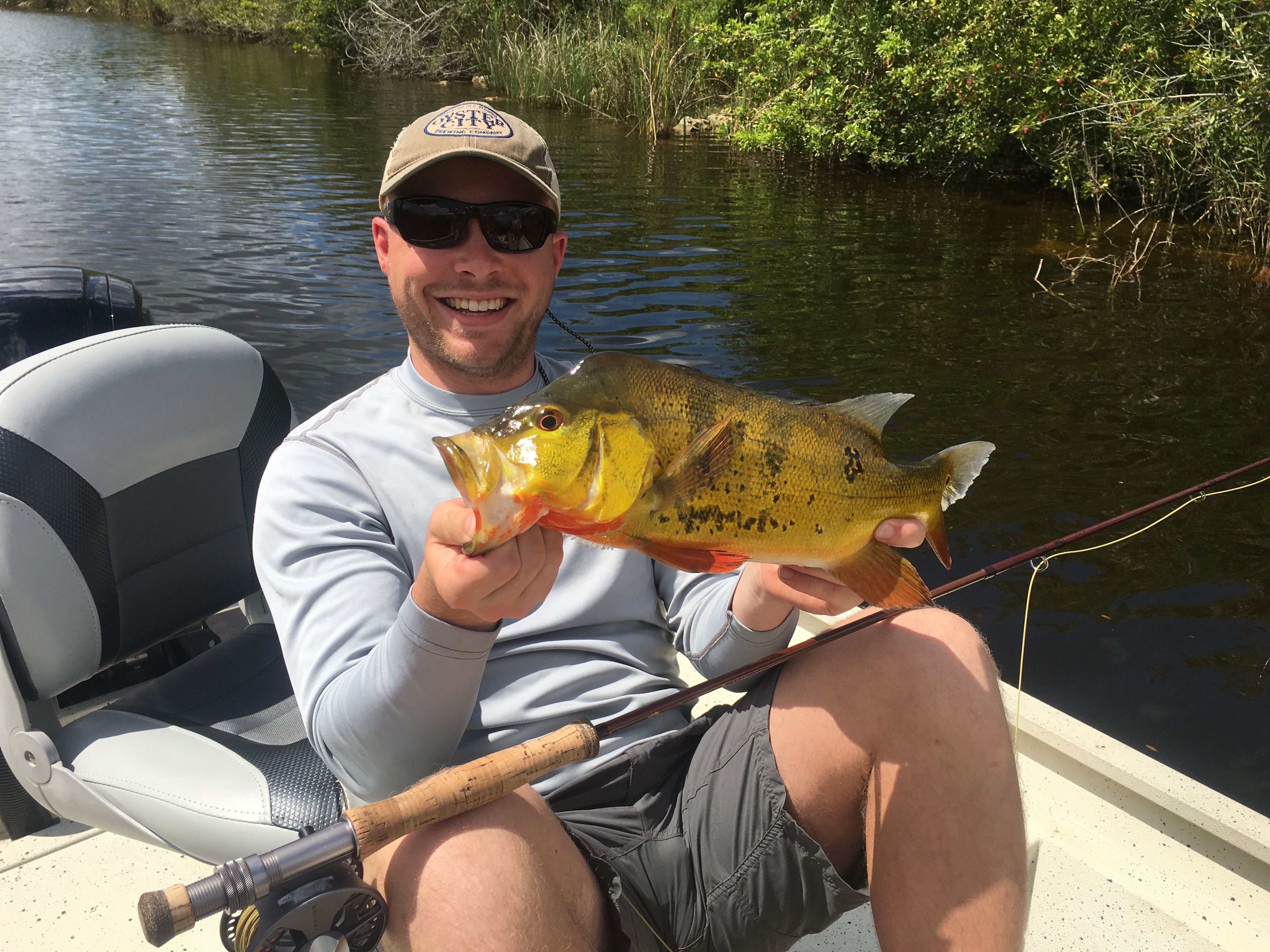
We timed the trip PERFECTLY in that the peacock bass were just beginning to spawn, making them hot and aggressive! It was quite a sight to behold watching this fish post up on beds and attack a topwater or baitfish fly that landed within a foot of their home-stay. Another amazing thing was watching these fish come out of the depths to smash a fly, in that not all of the fish were in spawn mode yet. Not only was I able to catch my first peacock on a fly this trip, but these fish were of great quality. These things fight way harder than any largemouth I have ever caught, and are a truly a beautiful fish that has innovated freshwater fishing in south Florida. Way too many peacock pics to post, but below are some favorites.

FE8DA1C9-6091-4594-BD53-757938B5BD81IMG_1711IMG_1668IMG_1690

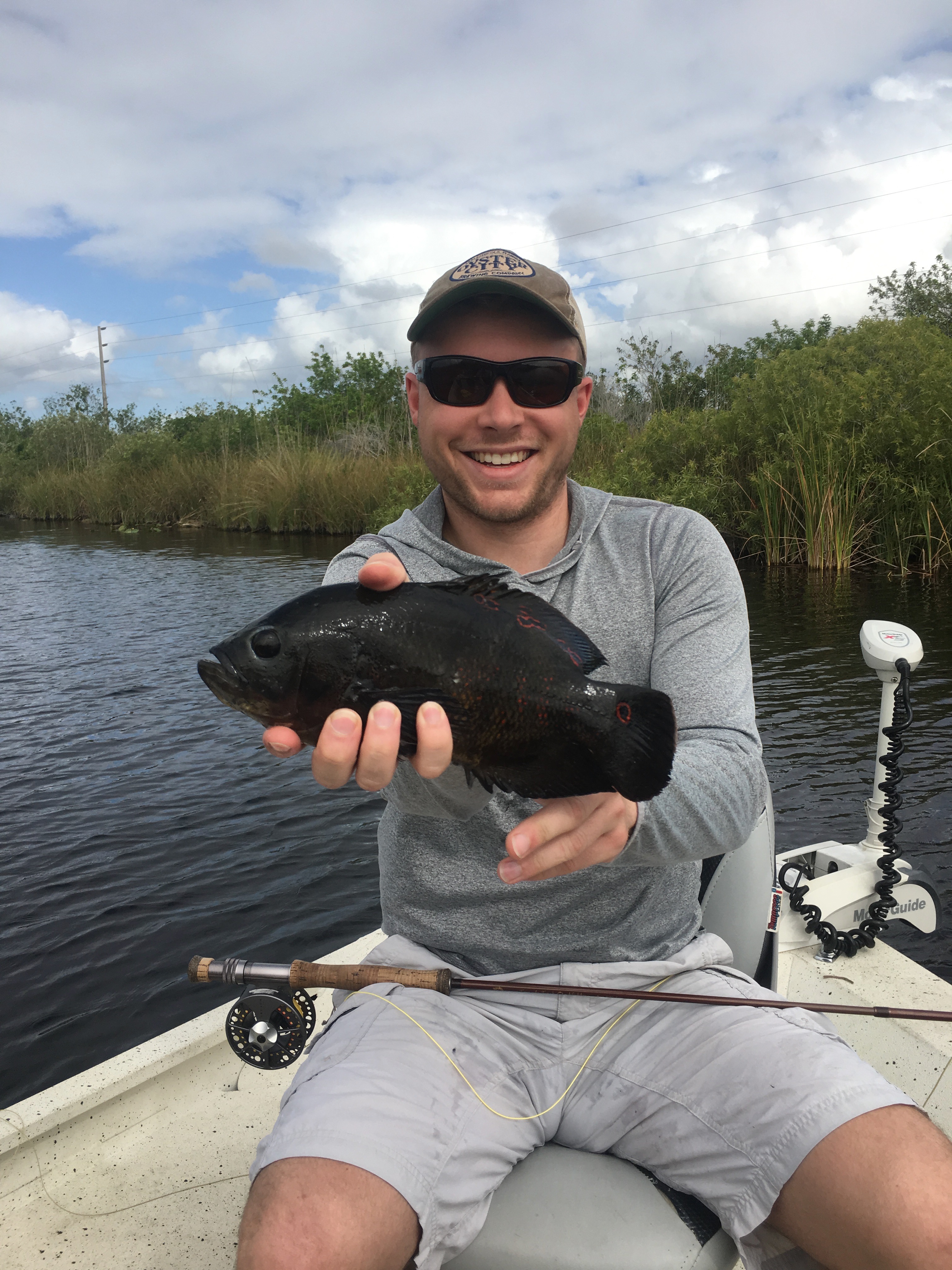
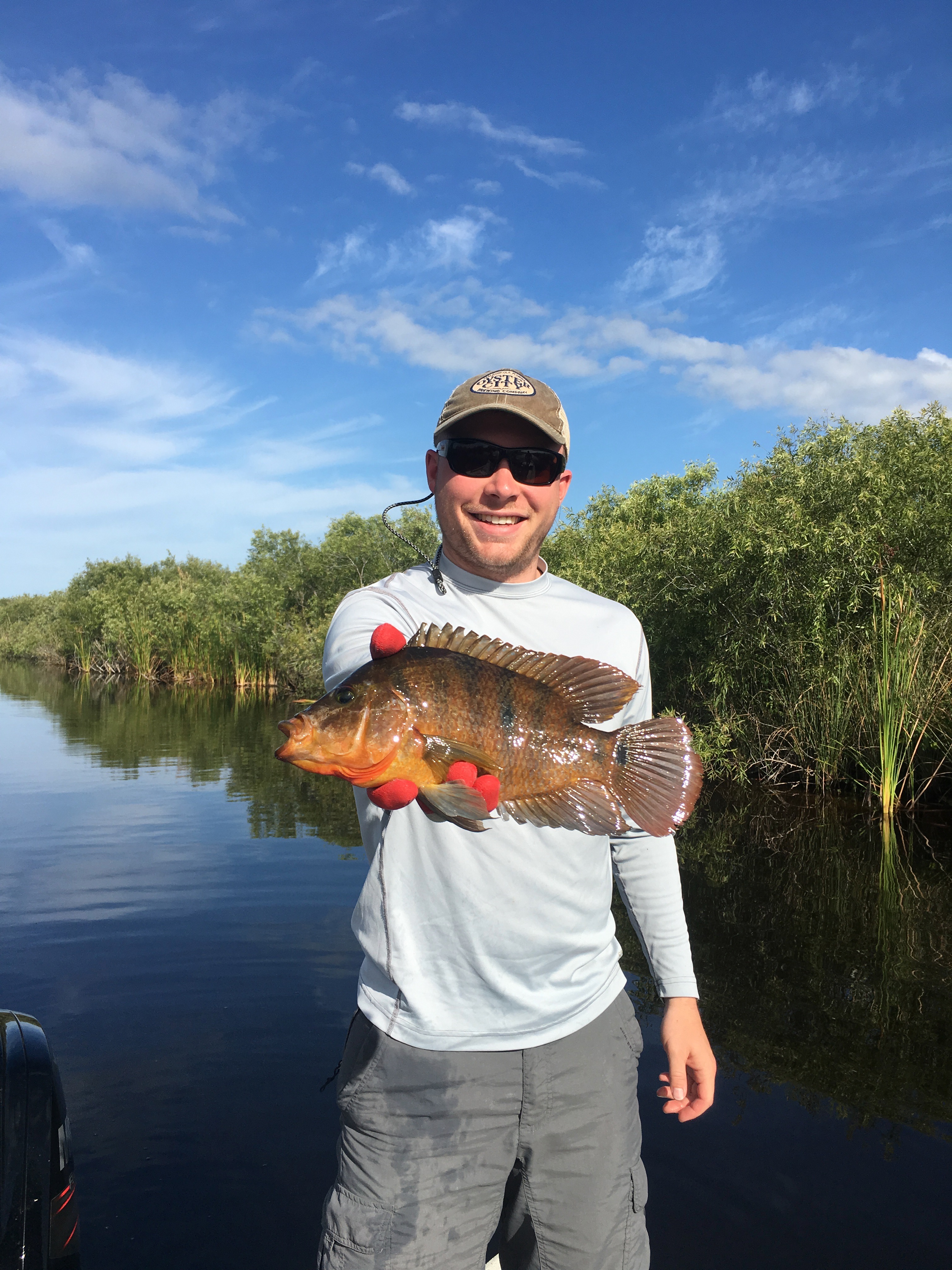
The most impressive part about the Everglades was hands down the amount of species. During this trip, we caught peacock bass, largemouth bass, warmouth, spotted sunfish, gar, oscars, and mayan cichlids. The largemouth fishing was exceptional, and wiggle minnows and topwater flies were hands down the most effective thrown right against the lily pads. In addition to this, if we wanted to catch cichlids and oscars all day, we easily could have. Many times while fishing for bass, these fish would come out of nowhere and steal the fly. At one point during the trip, we tried finding a fly that these fish wouldn’t eat, and to catch 100+ in a day on the 6-weight is something that any fly angler should enjoy. These fish are often overlooked because of their “invasive” label, but purists, relax and breathe the fresh air and give these fish a shot. Truthfully, if I lived here, I would love to catch these for a hour or two a night after work.

IMG_1643
Joe Petrow

IMG_1640IMG_1693

Needless to say, I’m planning another Everglades trip for next spring. Next time, would love to try and catch a clown knife-fish, bowfin, or snakehead in addition to all of these species. The Everglades is a special place, and you never know what you might find in these Jurassic Park type waters.

Tight lines as always,

Joe

Return to the Northwoods

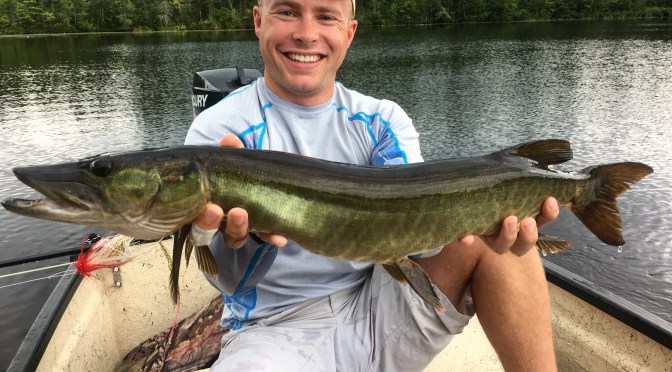
As I continue to fly fish, I am finding that there are certain species that are becoming more influential and special to my heart. Although in my book every fish is a good fish, certain ones get my blood pumping like no else. As many of you may already know, many of the saltwater species do this to me : tarpon, redfish, permit. However, the good ol’ muskellunge (Mr. Muskie) is a fish that I will continue to love throughout my entire life.  This year, my Dad and I headed back up to the Northwoods to go on a search for muskie, as well as fish topwater frog flies for smallmouth bass. Deciding to go in the summer, we knew that the fishing would be more challenging than usual, but as we have learned with muskie, showing up and giving it a go is 90% of the battle. As we would find out, every cast was going to matter this week, and we better be ready to go come the fourth quarter.

The first day of fishing was beautiful, perfect weather, sun out, no wind. Within 30 minutes of fishing in one of our favorite river systems, we had one eat, and life looked good. But with that being said, that would be our only eat for the day. We threw bufords, river pigs, home tied massive deceivers, and nothing. Not only was this going to be our result for Day 1, but would end up being the same story for Day 2 of fishing as well. On top of this, huge weather fronts rolled in, causing us to be off the water by noon. With attitudes still high however, all was good and we didn’t lose hope. A couple of bass at the end of the day lightened the spirit.

IMG_0506
Joe Petrow
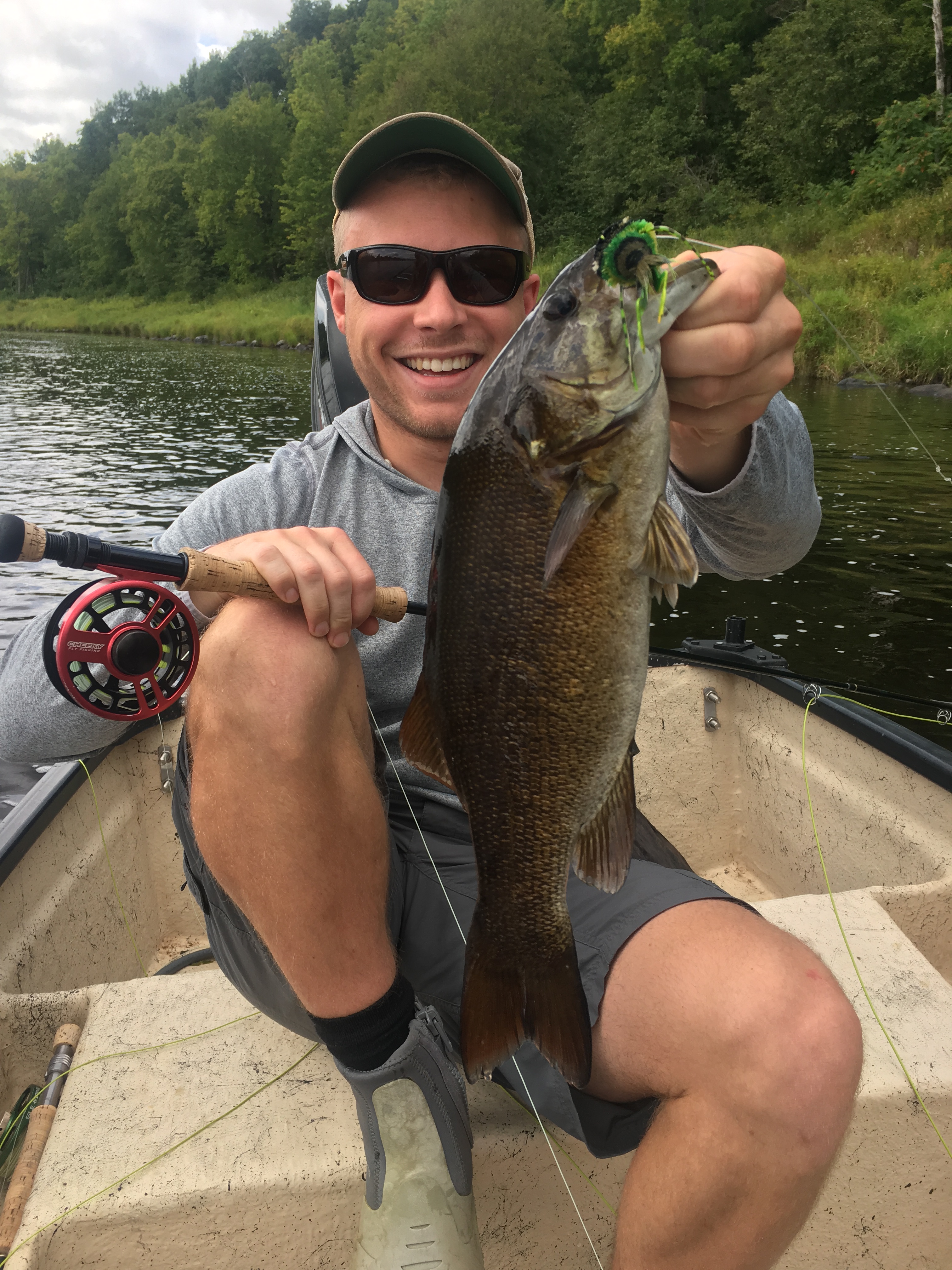
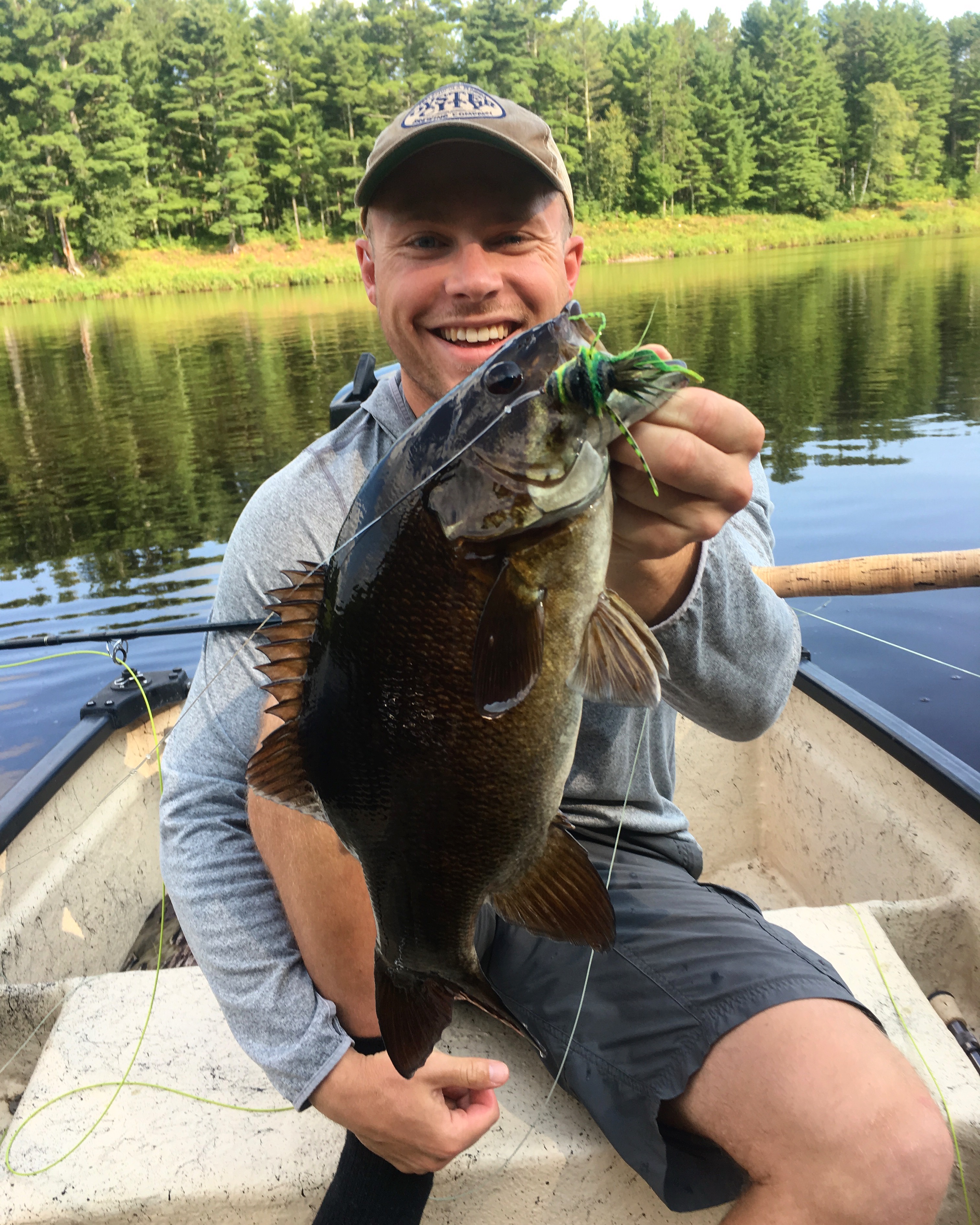
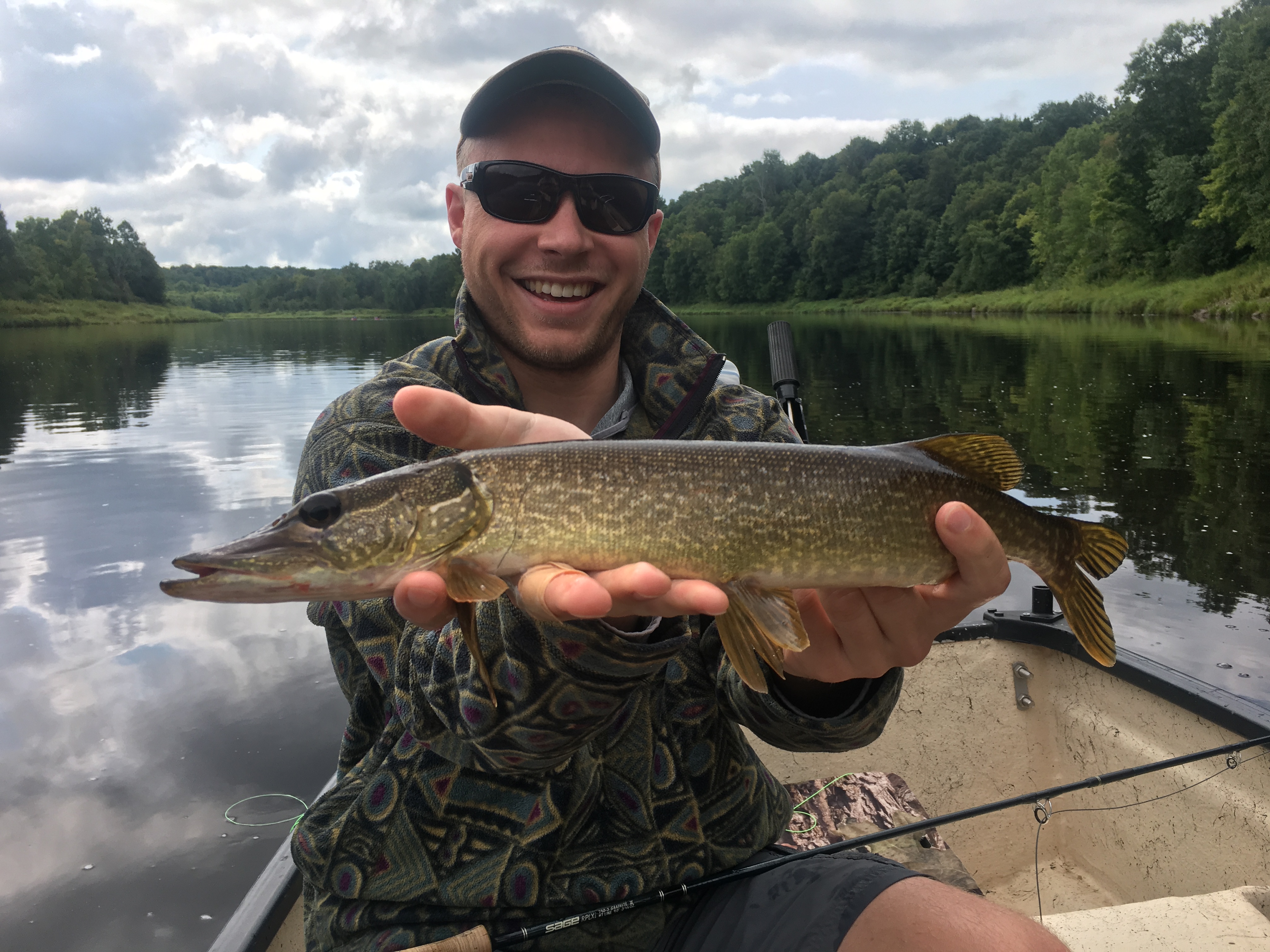
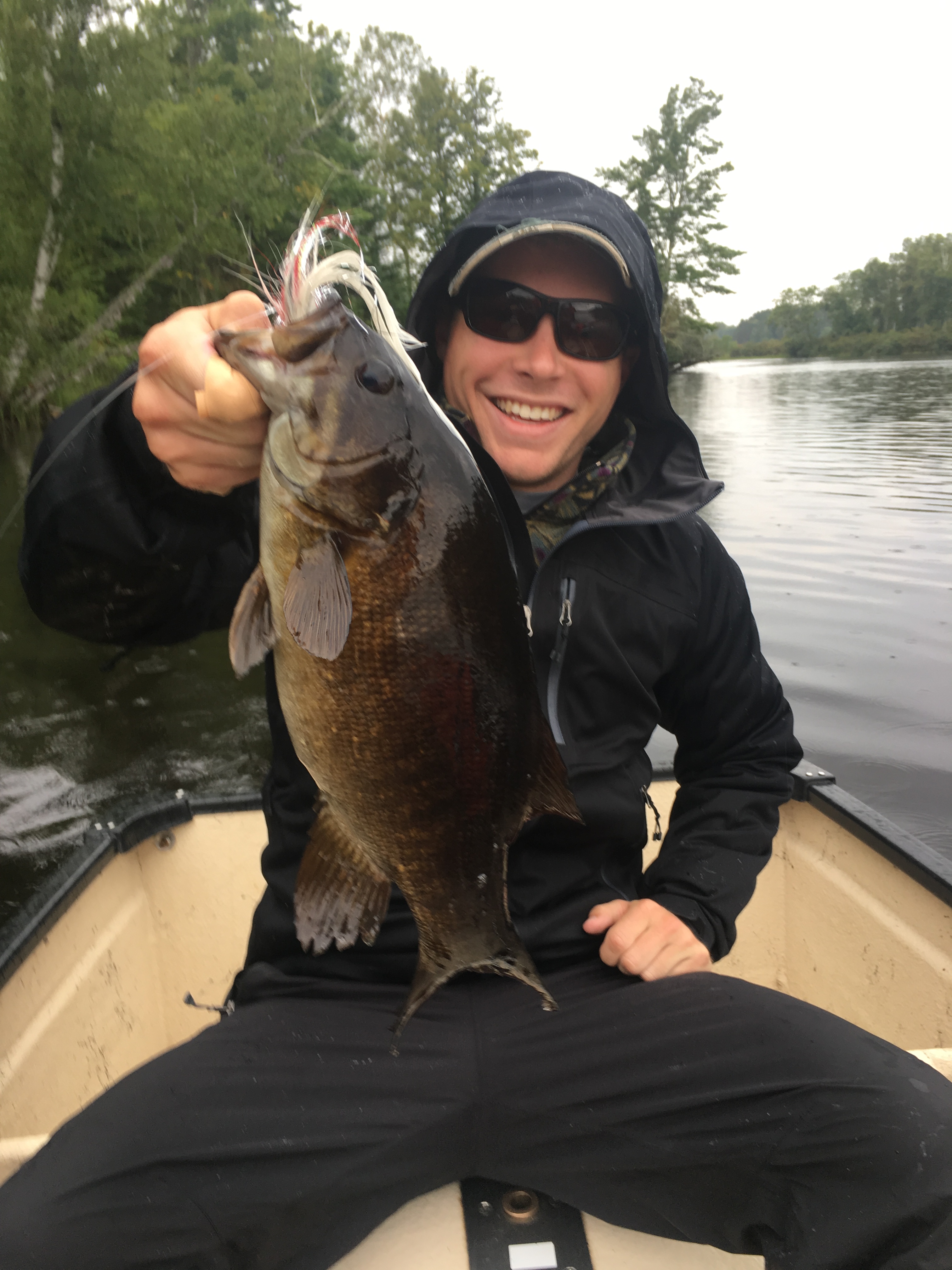
For Day 3, we decided to get some of our mojo back and go after some smallmouth bass. And man did that turn out to be a great decision, not only in that it was probably the best day of fly fishing for bass in my life, but it got our morale high. Throwing foam frogs and four-inch streamers, we had consistent action all day, and probably boated 50 bass by 2pm. Watching 3-4 pound smallmouth come up and slurp the frog like a trout would to a grasshopper was a blast, and allowed us to see some fish come to hand. One of the best things about the Northwoods is that when a mental break from the muskies are needed, the smallmouth are willing to cooperate. With the occasional pike thrown in. Later on in the day, we decided to hit up a local muskie lake and had two massive hits on a topwater fly, but they didn’t stick. However, it was enough action and life to know where we would be fishing for our final day.
IMG_0512
Joe Petrow

IMG_0498

As for Day 4, this was our final day to make something happen. Although we had three eats in the previous couple of days, nothing had stuck, and the muskies were playing the infamous hard-to-get game. After hours of fishing on the last day, I finally stuck something huge. Powerful…diving deep…ate a 10-inch red and white buford. After a few minutes of fighting, we finally saw the fish, and a huge golden flash. It was the biggest walleye I had ever seen, measured at 27 inches – the largest I have ever caught, especially on fly. Although slightly heart broken that it wasn’t a muskie, this fish was remarkable in it’s own right.

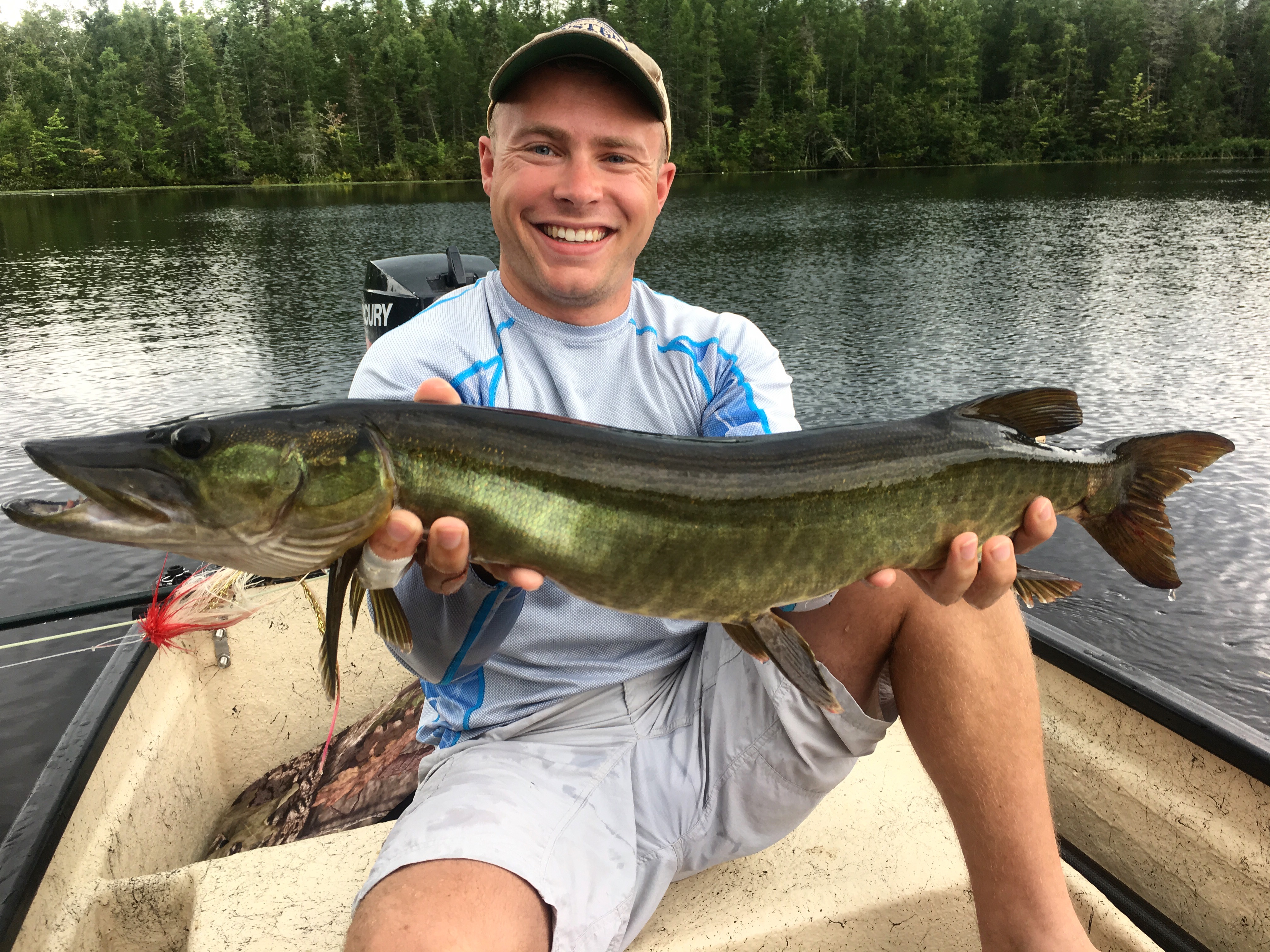
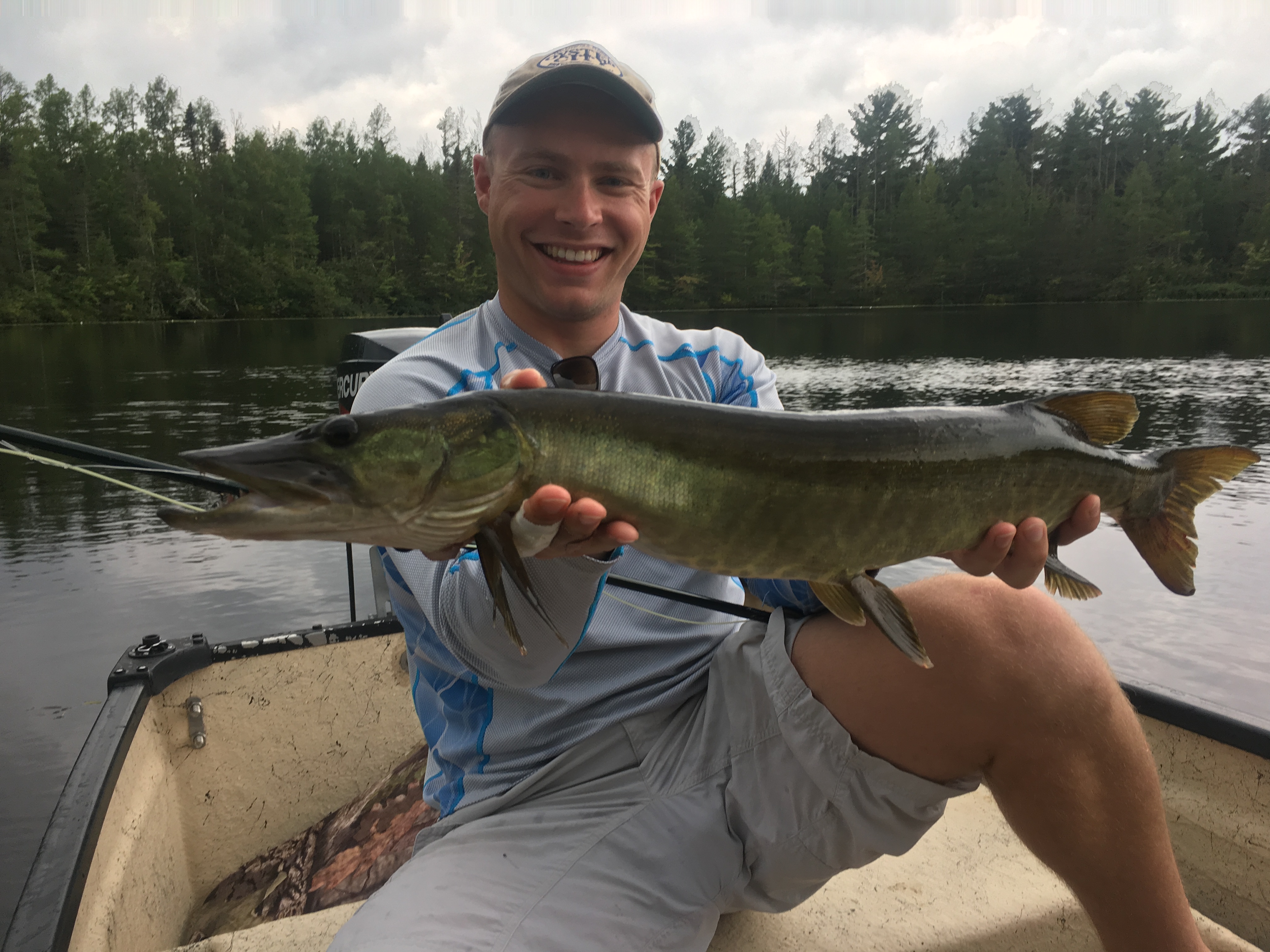
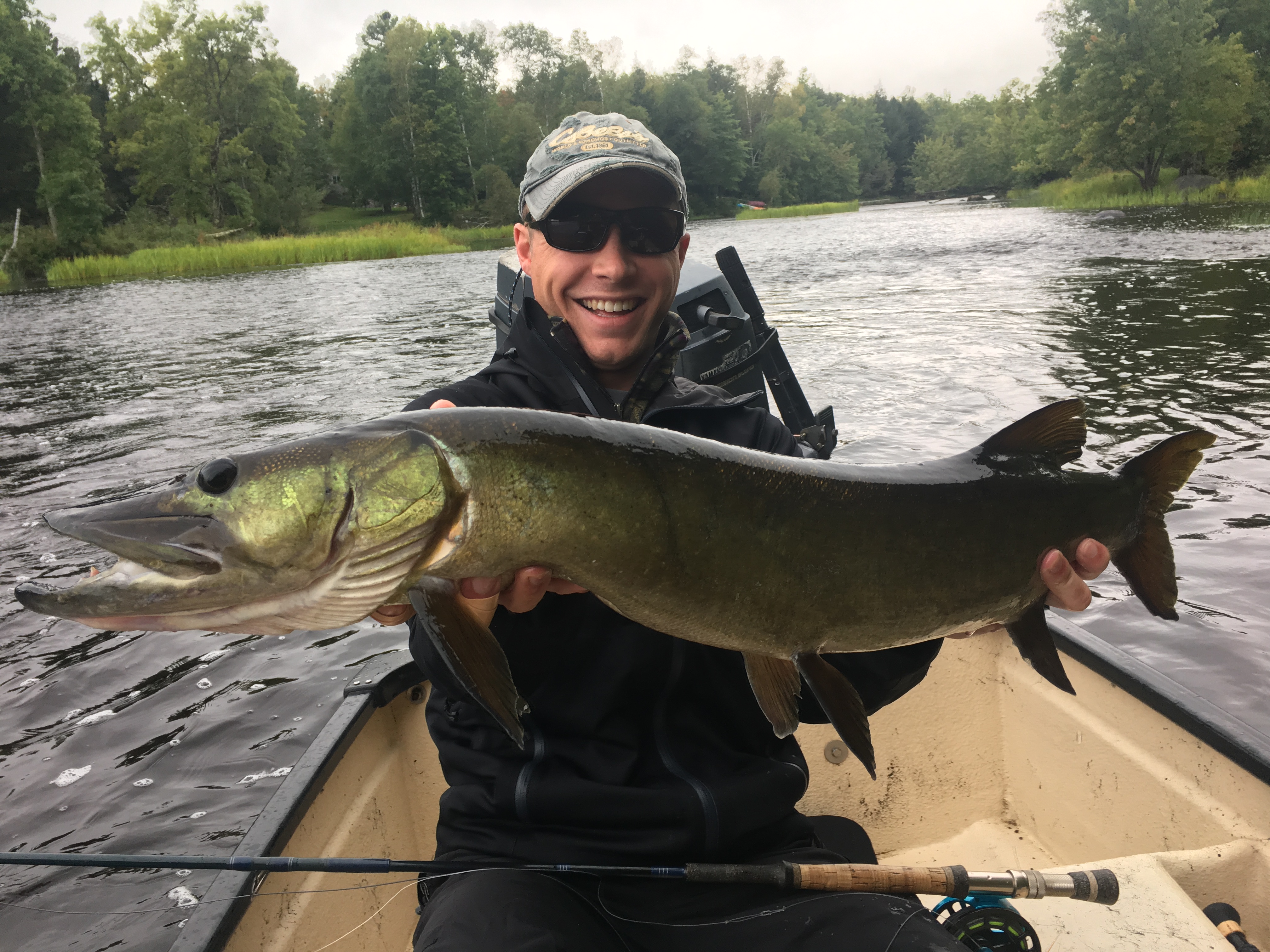
With only about two hours of sunlight left, we decided to go into a secluded two acre lake that required paddling and no motor through a very shallow stretch of a creek. The lake was small enough where we knew that it wouldn’t hold many fish, but for a large fish to get back in there, it would require effort and hunger to drive it to find new water. So we began to throw our massive flies yet again. And after about ten minutes…boom. It had happened. A nice muskie stuck. After a jump and several heads hakes, we had this beautiful fish to the net, and I let out one of the loudest yells I have ever done. Relief. Blessed, beautiful relief. This was a well earned fish, and tells the story perfectly as to never giving up and keeping the faith baby!

IMG_0540
Joe Petrow

IMG_0530
Joe Petrow

Muskie. Nothing can describe them with enough justice. All I know is that on this trip, this one fish, on day four, in the final hours, will forever be a fish I remember.

Return of the River Wolf

The first of September. Yellow sneaking into the trees, a cool morning breeze trying to break free like a running back between the tackles. As for fly fishing, September can be one of the best months out there, it that it is a transition period. Predators are out and about due to the cooler water, and know that work needs to be done before winter comes in full form. For the beginning of this fall, we decided to return up to the North Woods in search of one of the most challenging freshwater fish on the plant: musky. Pure, full-strain musky.

The last time we traveled to the North Woods in Wisconsin, we did a five-day fishing excursion. However, with work now more than a reality, we were only able to break away for three-days using the Labor Day weekend to our advantage. Upon arrival, the rivers were in great condition, and the weather for the most part appeared as if it was going to be cooperative. With a plethora of 12-18 inch flies in the boat, and 10-weights rigged up, we headed out to search for these elusive fish (day one being on a lake).

With clear conditions and very little wind, day one consisted of dark and natural patterns. Black, purple, tan, and off-white flies (Buffords, Hangtimes) fluttering through the water as if they were asking to get killed. I swear that just watching the flies swim when musky fishing is a sight to behold in itself. After a couple of nice follows to the boat, we arrived along a stretch of some wood cover that looked more than fishy. A throw tight to a shelf and WOOSH! A musky storms over and inhales the fly. After a chaotic fight, we had the musky in the boat and the weekend had truly began.

IMG_8564
Joe Petrow – Musky

With one fish in the boat on the first day (we also had three more eats/strikes, unfortunately just weren’t able to stick), we decided to do river floats on days two and three. In my opinion this is probably the most fun way to fly-fish more muskies in my opinion: dark water, fast riffles, structure everywhere. You never know which pocket or stretch could potentially hold a fish of a lifetime.

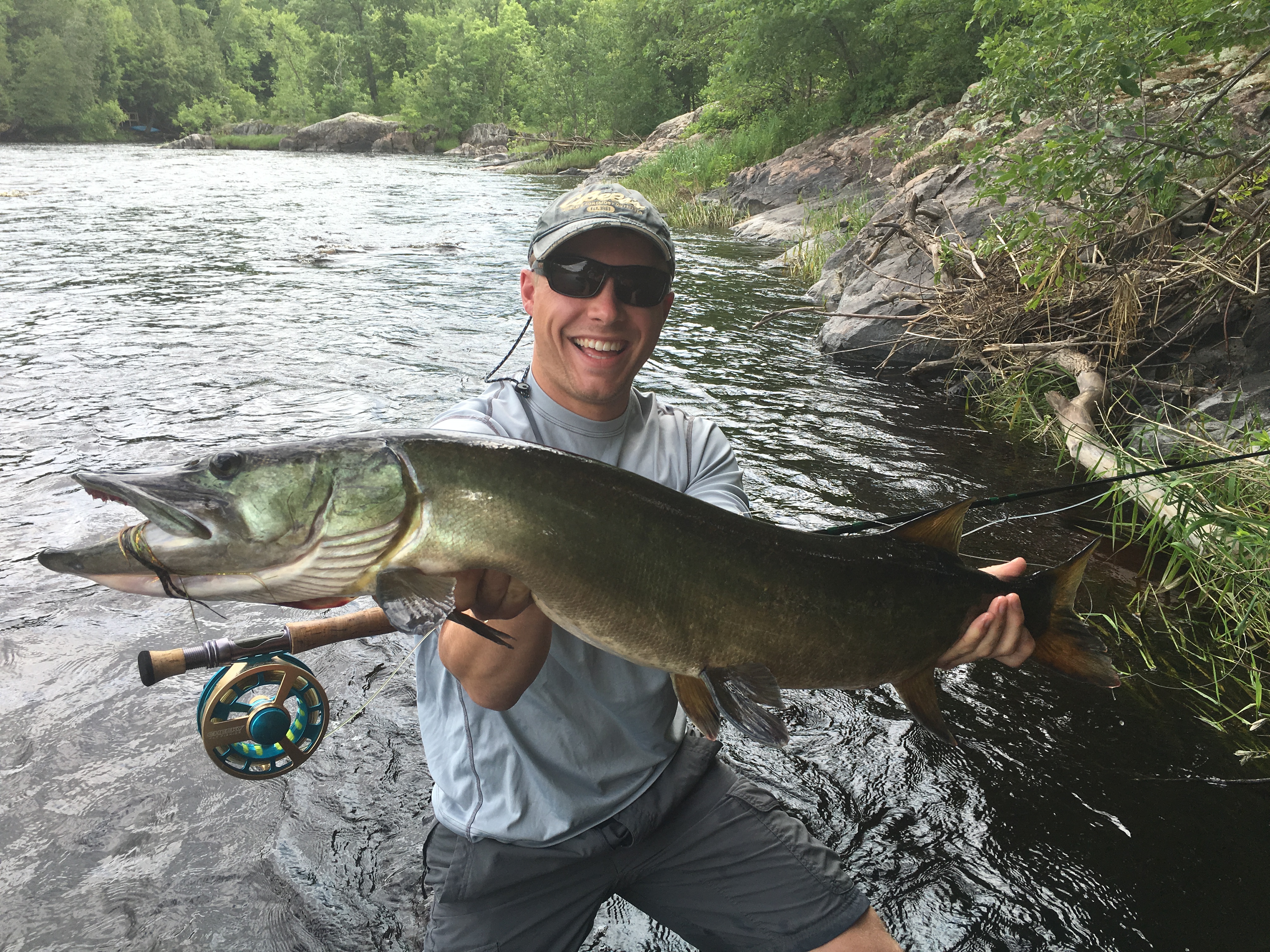
As for day two, the weather was cooler and there was rain upon us. However, prior experiences of fishing in the rain for musky have been positive, so to be honest I was glad to put on the raincoat! Clouds and the rain also provide opportunities to throw some bigger and flashier flies, especially in the tea-stained waters of northern Wisconsin.  After about a hour of casting and casting, we arrived to a faster stretch of river with a good amount of cut bank. I was throwing about a 14-inch creamsicle fly (orange and white), and had a gut feeling that something special was about to happen. After slinging this big ol’ creamsicle into a pocket right along the bank, I stripped twice, paused, then another strip…all of a sudden the fly disappeared, and a gold flash like no other erupts the water. Big musky on. Being in the fast moving water, this musky had plenty of spunk and kept dodging the bow of the boat methodically. After a couple of jumps and one flop out of the net boat side, we finally got the fish in the net and celebrated like no other. After a couple of pictures, we released this beauty (below) back into the dark underworld it came from, and a huge sigh of relief occurred. It’s not every day you get to see (let alone) catch a fish like that on a fly. What a sweet life this really is.

IMG_8578
Joe Petrow – Musky

As for the rest of the day (and ALL of day three), the muskies did what they usually do. Stayed hidden and made us seem crazy to be out there blind-casting massive flies into the dark water. However, this is part of what makes fly fishing for these fish an unforgettable experience. There are no guarantees, and more often than not you are going to get humbled. They also reward you for remaining focused and attentive; they will finally decided to cooperate the minute you lose focus or don’t watch the fly come all the way in. As for us, we find that when we begin to have some doubt, it’s a good idea to tie on a bass popper and catch some smallmouth to keep the brain wired! Although putting in the time and energy is only way to have a chance of catching a musky on the fly, seeing big smallmouth crash a frog or gurgler provides a well needed spark (below).

IMG_8594
Joe Petrow – Smallmouth Bass

I still am chasing a 45″+ monster, but I know that with diligence and with effort, any opportunity with these fish is possible.  I’m itching to get back up to the North Woods as soon as possible, and who knows…maybe we have one more long weekend in us before winter comes in full force!

Tight lines as always,

Joe

Musky Madness

Well, it’s that time of year.  90 degree days, darkness arriving past 9:00PM, parents trying to figure out what to do with their hectic kids; summer is here.  As any avid fly fisherman would agree, each season presents it’s own perks and challenges, but there is always one season that fly fisherman will favor indefinitely.  For me, this season is summer by far.

With the “real world” now upon me and work beginning soon, my dad and I decided that we had to have one last “hoorah” fishing trip before moving began and before scheduling became a pain in the you know what.  However, we did not want an ordinary fly fishing trip.  We wanted an adventure, a new target species, and a new location all in one giant bread basket.  Thus, we decided to travel to Hayward, Wisconsin and fly fish for arguably the most voracious, predatory, and simply mean freshwater fish: the muskellunge (musky).

After a non-stop flight from Denver to Minneapolis, we drove three hours into the Wisconsin wilderness in hopes of having a week for the ages.  We would be fishing with the famous Musky Country Outfitters, led by musky “legend” Brad Bohen and his number one guide Weston Thier.  With expectations on our end being relatively uncertain, this week would turn out to be one of the best fly fishing experiences we have ever had, and some big, beautiful, toothy fish were landed.

We fished two rivers for the week: several parts of both the Chippewa and Flambeau rivers.  As for the fly fishing itself, hundreds upon hundreds of casts were taken everyday, and with every cast came the hope that a giant musky would be following our 8-12 inch flies towards the boat.  With six total fish landed between my dad and I for the week, we were extremely successful and immediately became hooked to the anticipation that fly fishing for musky offers.

Day one of fishing for the week turned out to be the most productive, in that we managed to land three muskies, including a monster that will be classified as a fish of a lifetime to me.  Appreciate, every day of fishing throughout the week also consisted of several smallmouth bass and the occasional pike or walleye, but we are here to talk musky! After a couple hours into our day, I managed to catch a juvenile musky that got the “monkey off our back” and got our hopes up.  What amazed me immediately was how a small 20 inch musky was eager to eat a 10 inch fly. Although this fish was a shining moment for the week, it was roughly an hour later that a true monster would be landed, and I would learn in a 20 second period what fly fishing for musky is really about.  After throwing a massive baitfish pattern at the end of some faster moving whitewater, I watched my fly as I stripped it all the way to the boat.  With about five feet remaining between the boat and the fly, I saw a massive creature flare it’s gills and inhale the fly…my heart immediately raced, and we had a monster musky on.  After an insane minute of this fish jumping across the river, dodging the net, and snapping it’s teeth as we removed the fly, I was able to hold a fish of a lifetime and truly say that I had caught the musky fever.  After taking a picture with our 40 inch beast, we continued casting away, and my dad was able to land his first musky on the fly as well.  Not only did he land his first musky, but he also managed to catch this fish on a massive topwater fly, AND on Father’s Day.  What a Father’s Day it was.

IMG_8099
Joe Petrow – 40/41 inch Musky

After being truly spoiled on our first day of fly fishing for musky, we learned on day two and day three why these fish are so difficult to catch, and why this fish has been historically referred to as the fish of 10,000 casts.  Although we were able to catch many smallmouth and a decent number of pike, the muskies were alluding us, and some mental insanity began.  However, as Brad Bohen told us the first night we arrived, the method to the madness is to truly believe that the next cast will have a fish, and to keep hopes up always.  And boy, would he turn out to be right.

As for days 4 and 5 of fishing, we were able to get three more muskies to the boat, along with a follow from a massive fish that chased my dad’s fly all the way to the boat.  We consistently noticed that the majority of our fish took the fly right at the boat, and we both began to realize that in this dark, stained water, you never know what could be lurking feet from your fly.  As for the fight itself, picture a minute of raw insanity in which everything that can go wrong will, in that these fish sincerely do have an attitude and will do everything in their power to assert their dominance.  On day 4, I was able to land a solid 32 inch fish, and my dad and I were EACH able to stick into 37/38 inch beasts on the last day of fishing.  With the famous “River Pig” patterns that Brad and Weston tie up daily, we had finally found a reliable pattern, and ended our trip on the highest note possible.

IMG_9717
Joe Petrow – 32 inch Musky

IMG_6653-2
Joe Petrow – 37 inch Musky

Although we both were bummed when our week of fishing came to an end, we knew that we would be returning back to Wisconsin soon to take on Part 2 with this amazing fish.  To spend the week of Father’s Day on the water with my Dad was a memory that I will never forget, and I am truly beyond blessed to have a best friend that takes me fishing as much as he does.  Below is a picture of two, new musky addicts, who fortunately took the time between hundreds of casts to get a picture worth a thousand words.

IMG_9900

Tight lines as always,

Joe

Stripping for Stripers

Fort Worth, Texas.  Late January.  Cold as you know what…

The carp aren’t rising, the largemouth aren’t shallow, it looks like a pretty dismal time of year for the avid urban fly fisherman.  I found myself in this predicament all throughout January, causing me to search for limbs to climb out to and hope that there may be an adventure around the corner that could give me my fly fishing “fix” during these cold months.

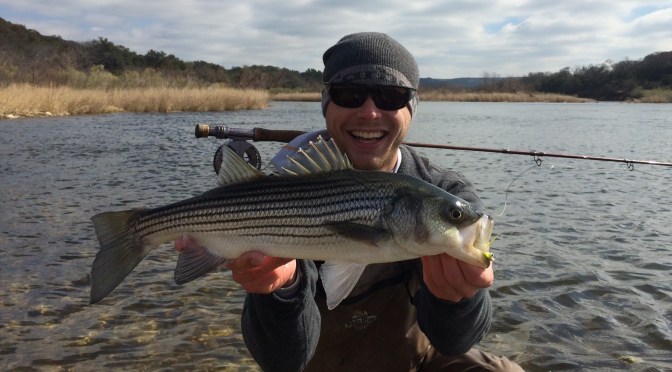
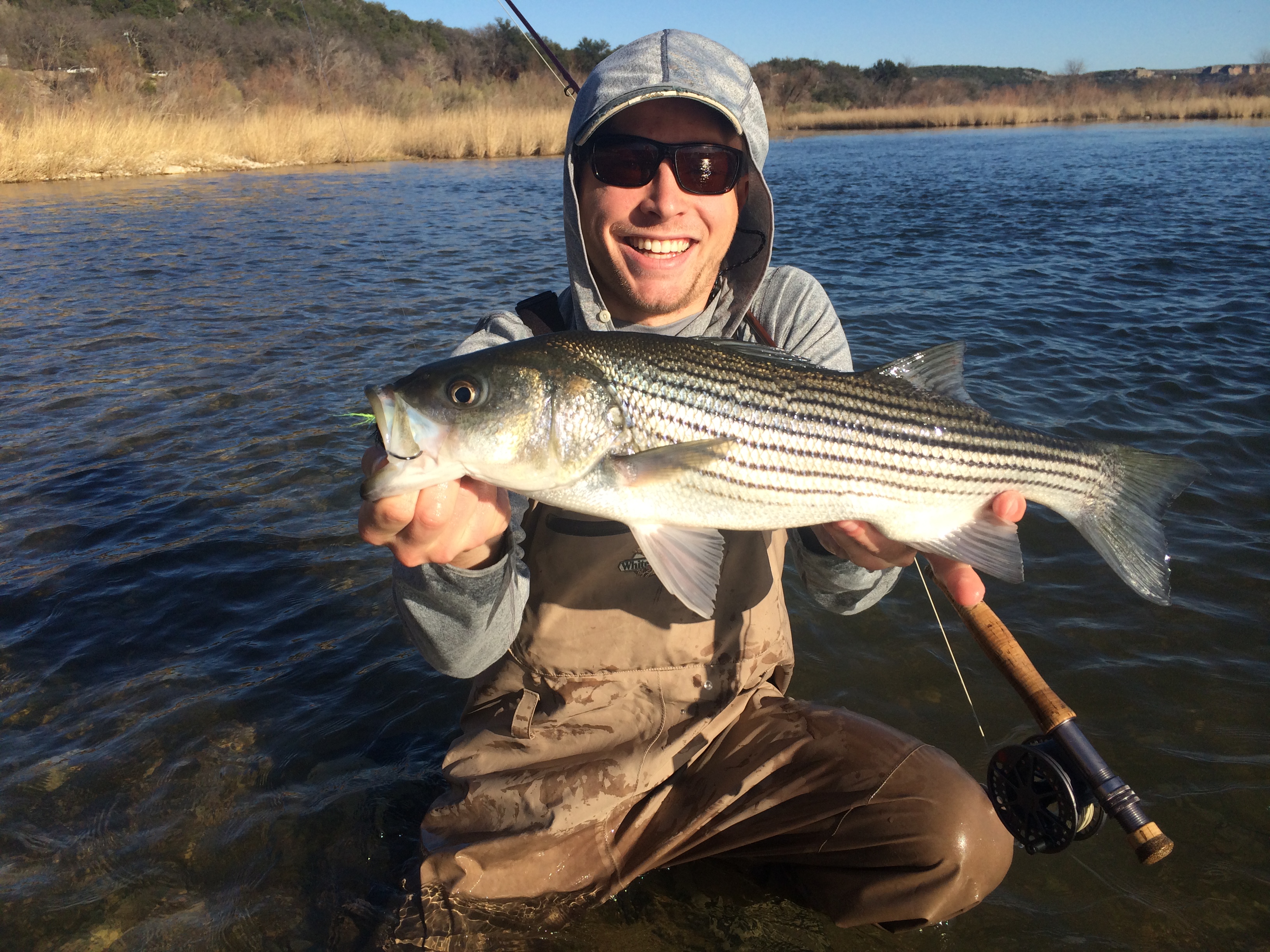
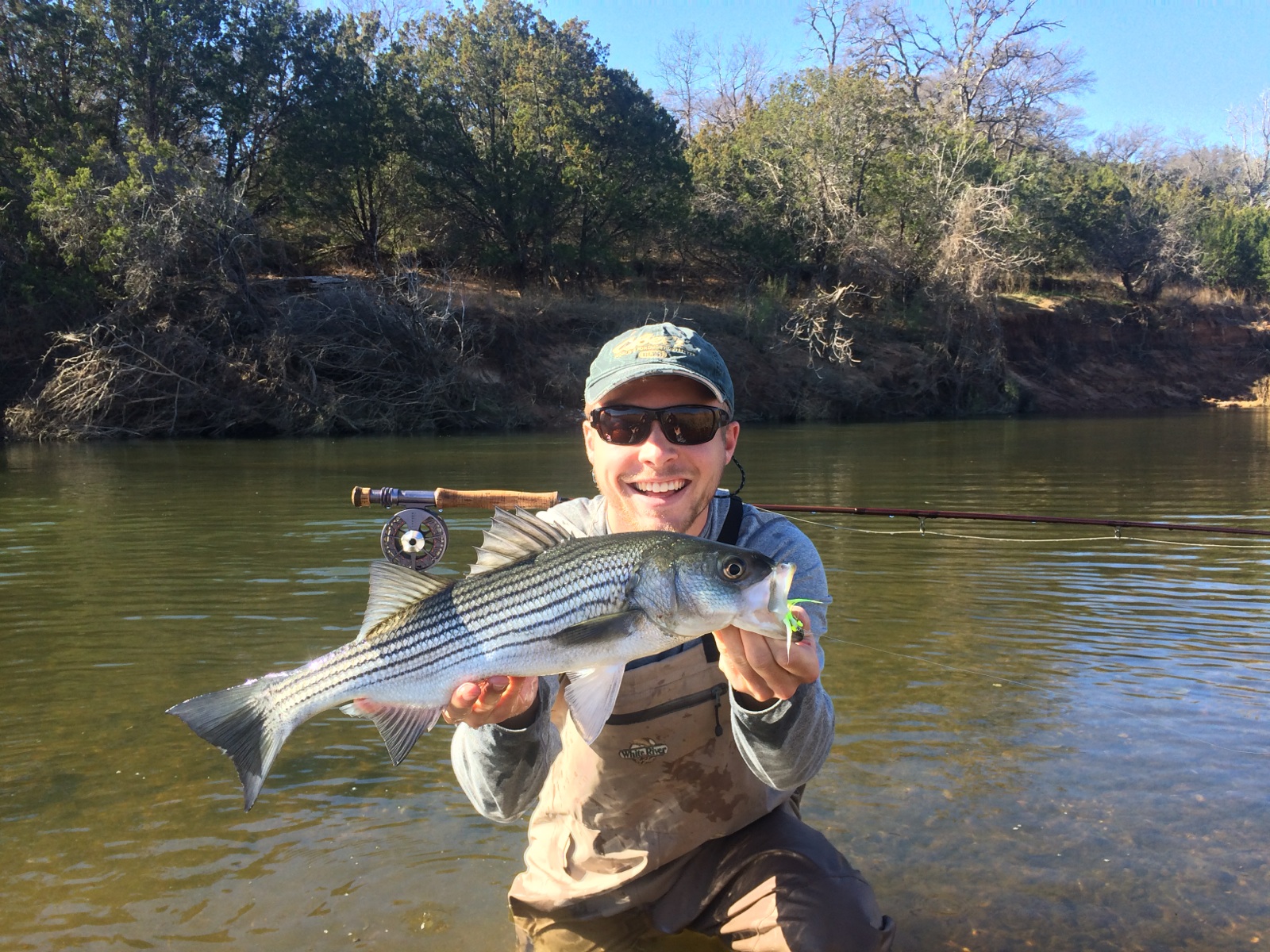
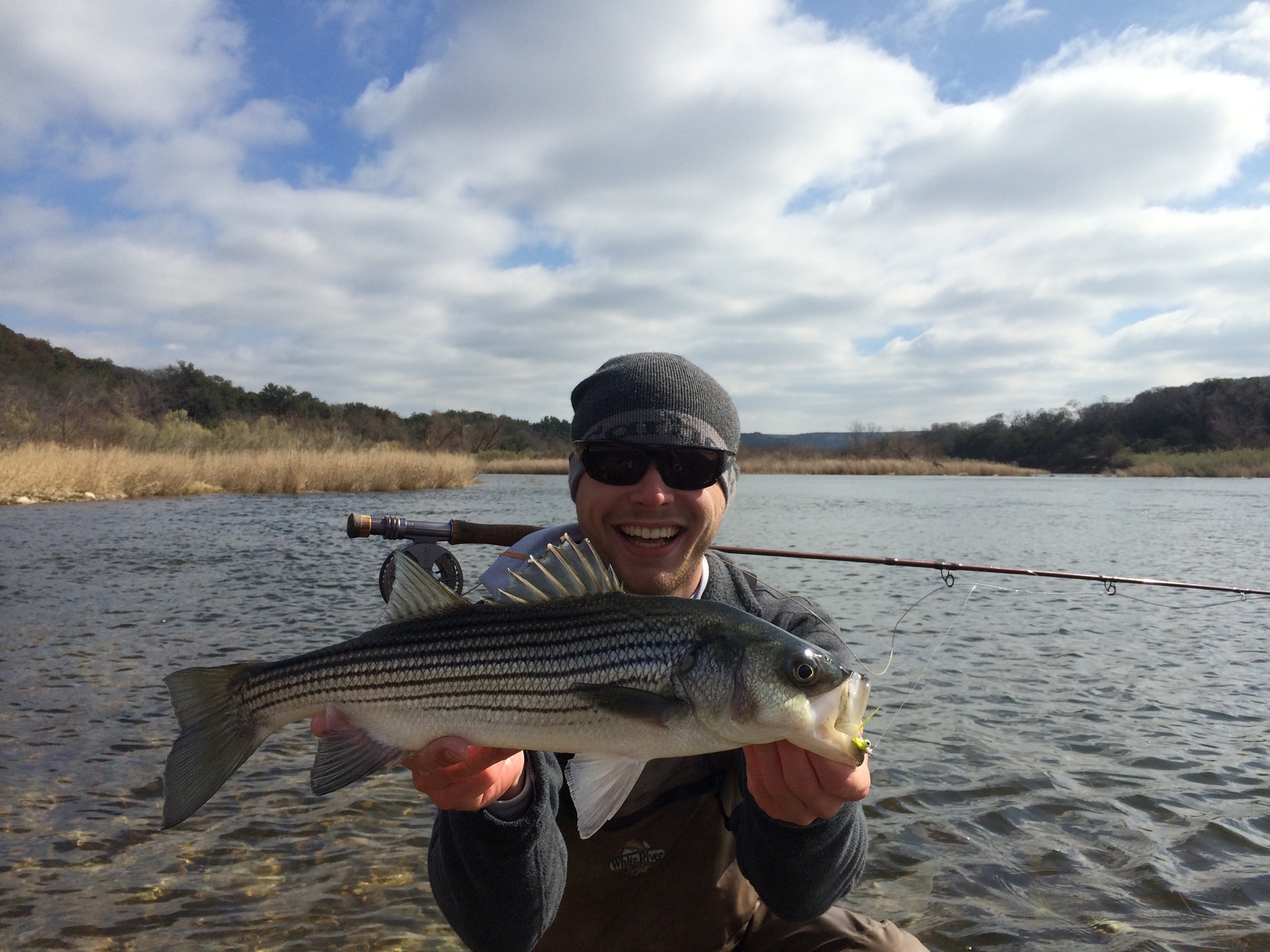
When considering what species really thrive in the colder months based on the fly fishing I have done in the past, I began thinking about trout, redfish, snook, and even tarpon in certain parts of the world.  However, being in landlocked Texas, I soon began to think about one species in particular: striped bass (stripers).  Striped bass are a species of gamefish in which are predominantly sought after in the North Eastern United States, and can grow to massive sizes (40+ pounds) in the saltwater.  In the mid to late 1900s, it was accidentally discovered that stripers could in fact breed, grow, and thrive in freshwater environments, allowing an opportunity for landlocked states with reservoirs deep enough to maintain cold water temperatures.  Stripers find themselves happiest and willing to eat with water between 50-55 F, but need a slot from 40-60 for optimal survival.  After some research, I found a “secret” location in which has been terrific for striper fishing.  This Texas spot is not one that is easily accessible, and not many people know about it (unlike other popular striper locations throughout the state).  I usually am more than willing to share information about locations, but this one is too special to risk.

IMG_6893
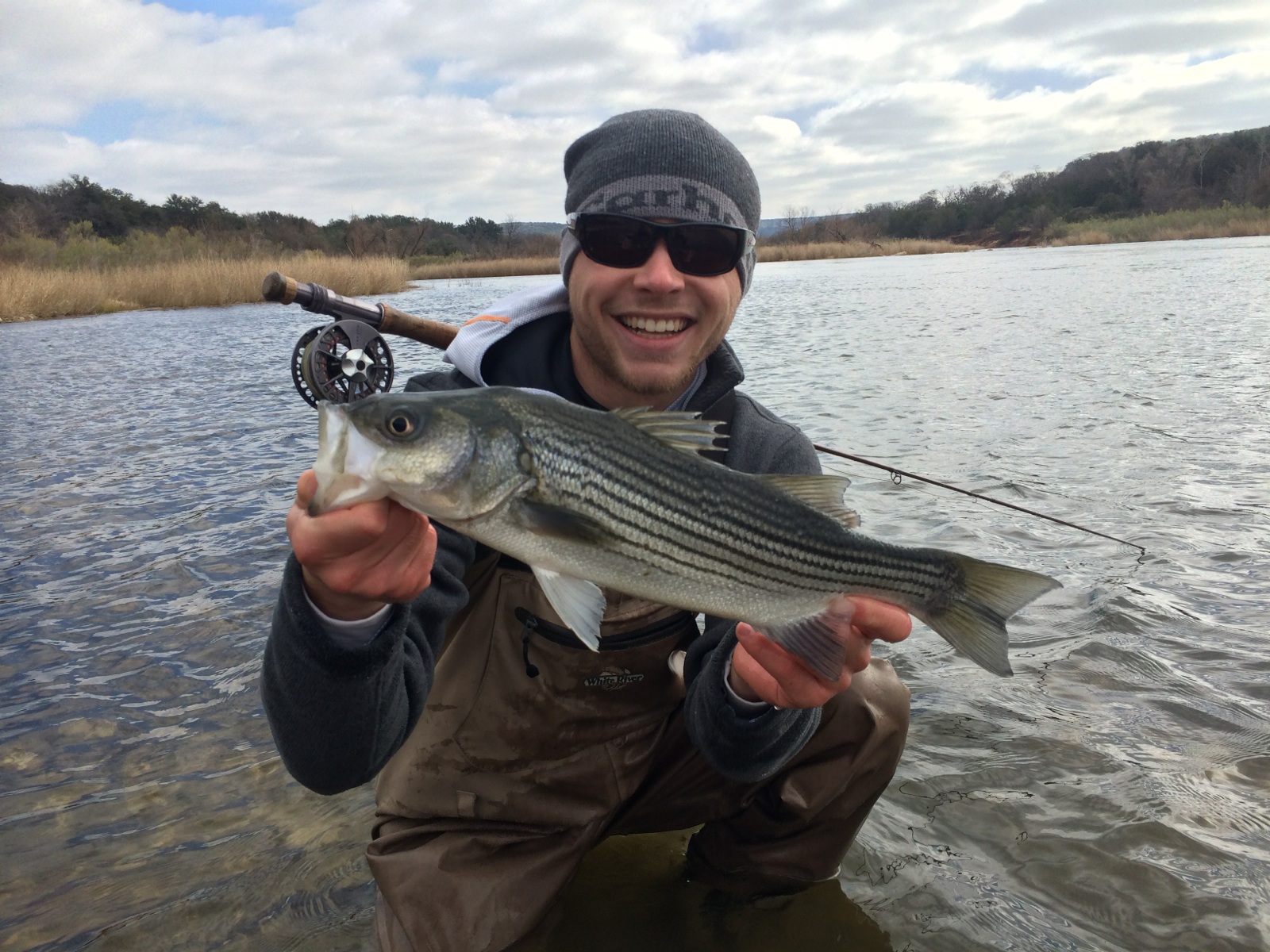
Joe Petrow with a large Texas striper

IMG_2814
Joe Petrow with a Texas striper

IMG_2678
Joe Petrow with a Texas striper

The best part about fly fishing for stripers (to me) is being able to throw big, flashy streamers during the middle of winter.  A little bit of news here in that I am now tying my own flies (will post about this later, but am currently approaching my 100th fly made mark).  Throwing only my flies to these stripers has not only proved to be extremely successful, but has made the overall experience of catching these fish even more enjoyable.  I can’t wait to keep testing out flies of my own.

As for the last couple of trips, chartreuse and white colored bait fish patterns have been absolute nails.  Whether these are clouser minnows, or even bunny patterns that I have been making, this color is terrific in both clear and dirty water it seems like.  However, I have also found success with black and red saltwater flies that I use for redfish and even sharks to be successful.  These stripers will sit in the deep pools at the ends of fast currents, and will hit these flies aggressively when the time is right.  Stripers are known to actively eat and swim throughout a water column and constantly move throughout the day, so being able to fish multiple spots and find fish in nearly all of them has been unbelievable.  The fish have ranged anywhere from 5-15 pounds, and the fight on a 6 weight rod is a spectacle of its own.  These fish will dog you into the deepest section of the river, and it has made withstanding the wind and cold well worth it for January.  I am confident that fish ranging between 15-25 due indeed live in this river system, but it will take some dedication to larger flies and deeper water to find out.

IMG_4553
Joe Petrow with a Texas striper

IMG_4070
Joe Petrow with a Texas striper

The striper has been a fish that can now be checked off of the “species bucket list,” and I’m hoping that the continuation of these trips will be as successful in February.  My next outing will consist of trying to find the larger fish, making me bring out the saltwater flies and heavier tippet.  Once March hits, I will be on my way to Louisiana to fish for monster redfish, providing a transition into spring that couldn’t be any more ideal.

Tight lines,

Joe

Channel Cats and Bass on the Trinity

So, here we are again. A typical Saturday morning – 8am wake up. Breakfast. Shower. Homework today? Possibly…What’s the weather looking like? Sunny and hot…hmm. No homework. Fishing? Yep.

Although I fly-fish on the Trinity River next to TCU frequently, this specific trip was one for the year. I have caught countless numbers of carp and largemouth in this river, and although it is overlooked by many fisherman, the potential to catching monsters is there.

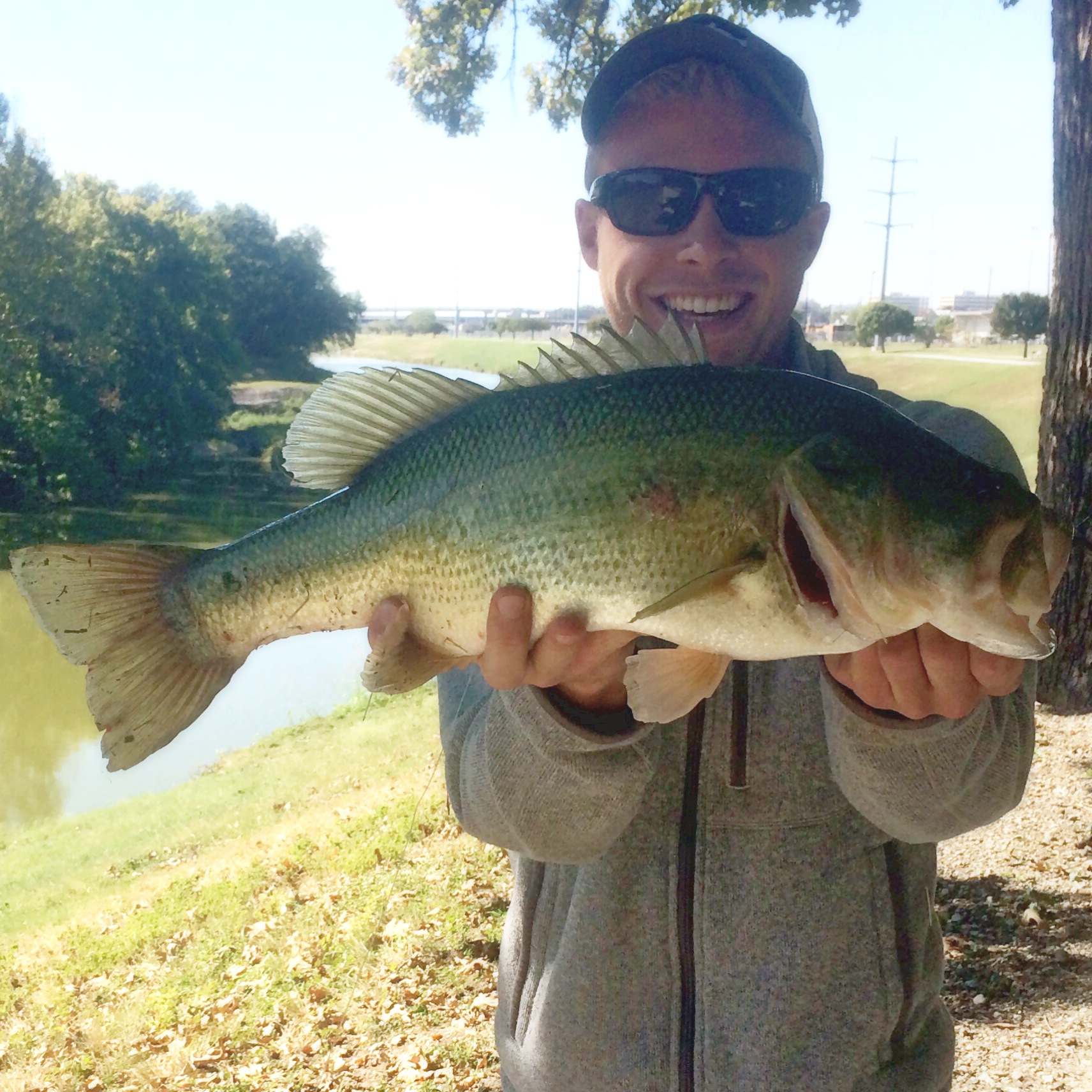
On this certain day, not only did I land my biggest largemouth ever, but I also caught one of the mystery fish that I had only heard about in the Trinity: a channel cat. And not just one. But three.

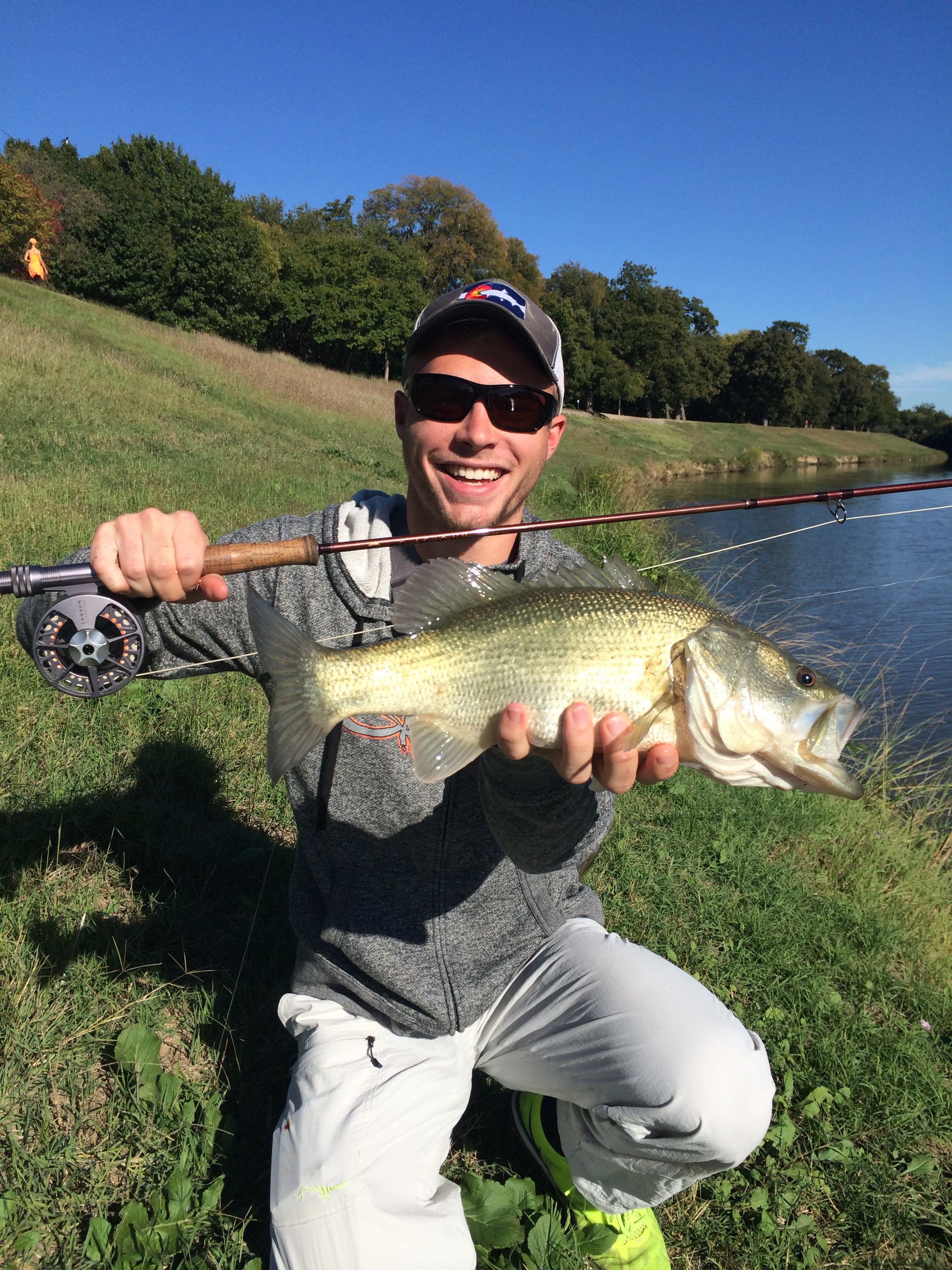
After a slow start of throwing a huge “Grub Bug” as I like to call it, I felt my line go tight on the crawdad impersonating fly, and there was no budging on the end of the line. I immediately was assuming a potential channel cat in that nothing was happening in the fight, but then out of nowhere, the fish ran and I saw the 7+ pound largemouth jump. After multiple “woo hoo’s” from cyclists passing by, and ruining my neon yellow Nikes by jumping into the river, the bass was landed. After asking a nice elderly lady to take a picture, evidence was made, and the pic is now below. Four more bass were caught on this day as well (pic below).

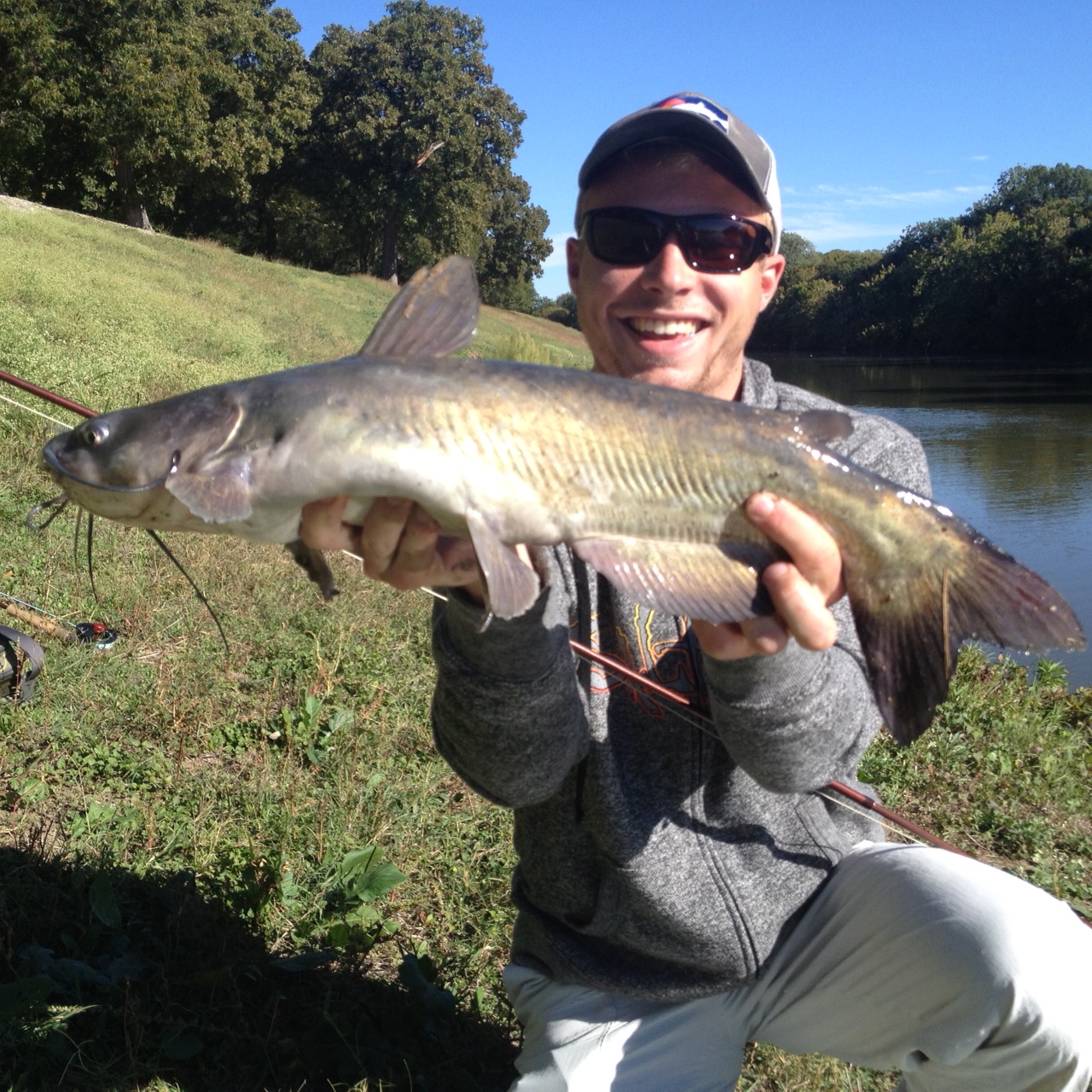
Later on in the day, the same thing happened: casts right along the bank, smashing hits, no budging. This time, the channel catfish emerged, and there was another species to check off the list. The trick to catching this guy is to let the fly sink fully, and then to do extremely fast and sporadic movements to attract the fish. These fish are actually voracious predators when the water temp increases, thus this day was one for the books.

Joe Petrow with a giant Trinity largemouth

Joe Petrow with a Trinity River channel catfish

Joe Petrow with a Trinity River largemouth

Fly Fishing the Trinity River next to TCU

Being a typical sophomore in college, I found myself one Friday afternoon not really wanting to write a huge annual report for arguably my hardest business class. Thus, instead of proceeding to do the typical “kick back and turn on the Netflix” that many of my peers tend to do, I decided to set up my 8 weight Sage XI3 and go do some “Research and Development” in the Trinity River next to campus.

Having run on the trails by the Trinity for more than a year now, I had seen a couple of those “fishy” spots during my workouts, and decided to give it a try. Knowing for a fact that I had seen some MONSTER carp and some decent sized bass in this river, I thought that it could either be a total win, or a total skunk.

Luckily to my advantage, nature was on my side. Throwing my secret bonefish or “cotton egg” fly to cruising and tailing carp, I have landed several fish over 10 pounds, with a couple probably being in the higher teens. I have now been making weekly trips down to the river, and although the weather conditions need to be spot on, I have had a high success rate.  I have seen some 20+ (potentially even 30+) fish in this river, and it is only a matter of time before I can fool one of these highly intelligent fish. wi

I have also caught some good sized bass (1-3 lbs.) in the river, which is always a blast when pulling a big flashy streamer through murky water! Can’t wait to see what comes next.

Image

Image
Joe Petrow with a Trinity River carp

Image
Joe Petrow – Edited Carp

ImageImage