
When you think about fly fishing, what are the first couple of thoughts that pop into your mind? Is it the perfect cast of a dry fly to a rising trout? Is it a crystal clear flat in Belize with tailing bonefish? Or, does your mind open up like Pandora’s Box and think about all sorts of possibilities that can get the blood pumping no matter the time, place, or circumstances at hand?
Although I am a huge fan of some of the most coveted fly rod species out there (trout, tarpon, largemouth bass, redfish, etc.), over time I have come to find that there are so many “unsung hero fish” of fly fishing that make this passion run even deeper for me. Not only are some of these fish smarter and stronger than the typical sought out fly rod species, but they also do a pretty good job of making themselves available no matter where you live. With a little bit of research and effort, they may be willing to play along, and you better buckle up because they can really put you through it if you are not prepared.
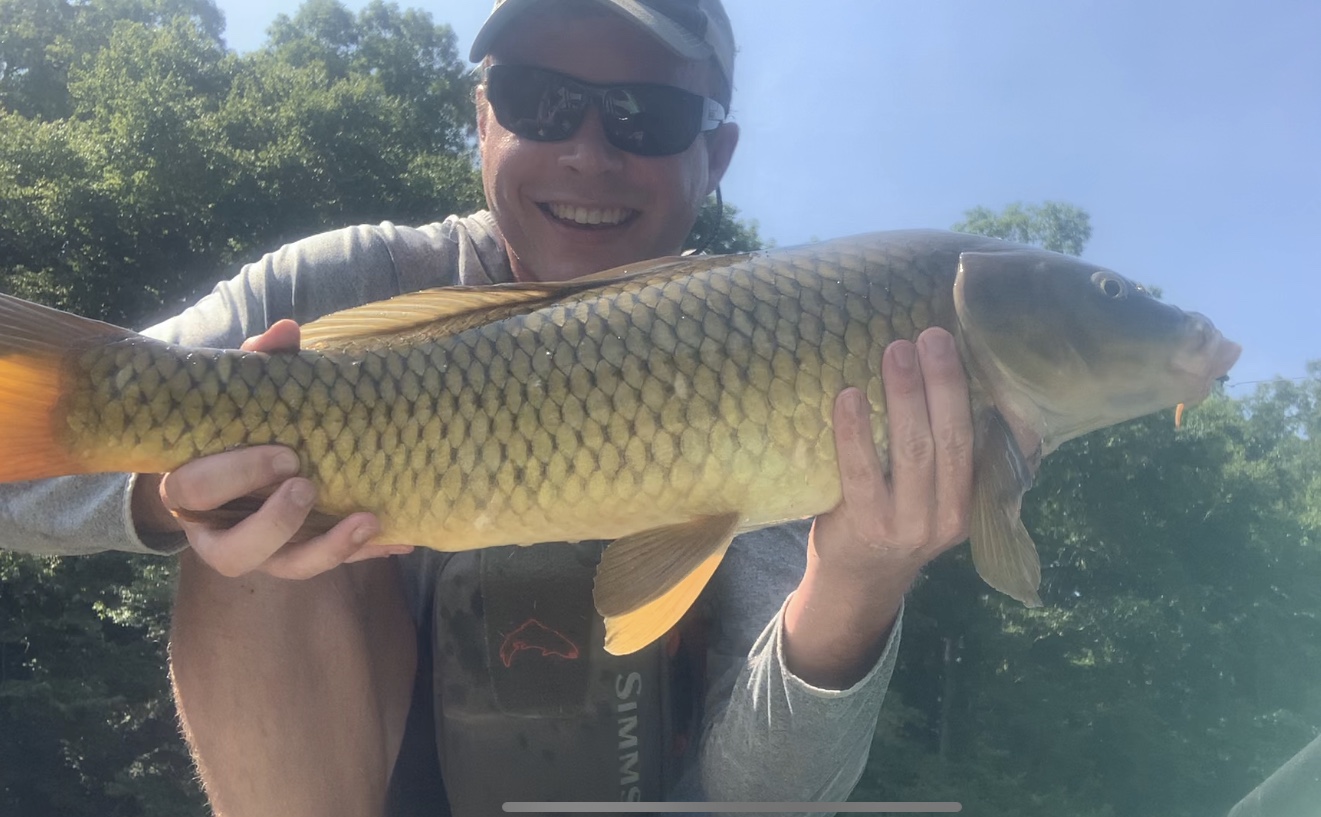
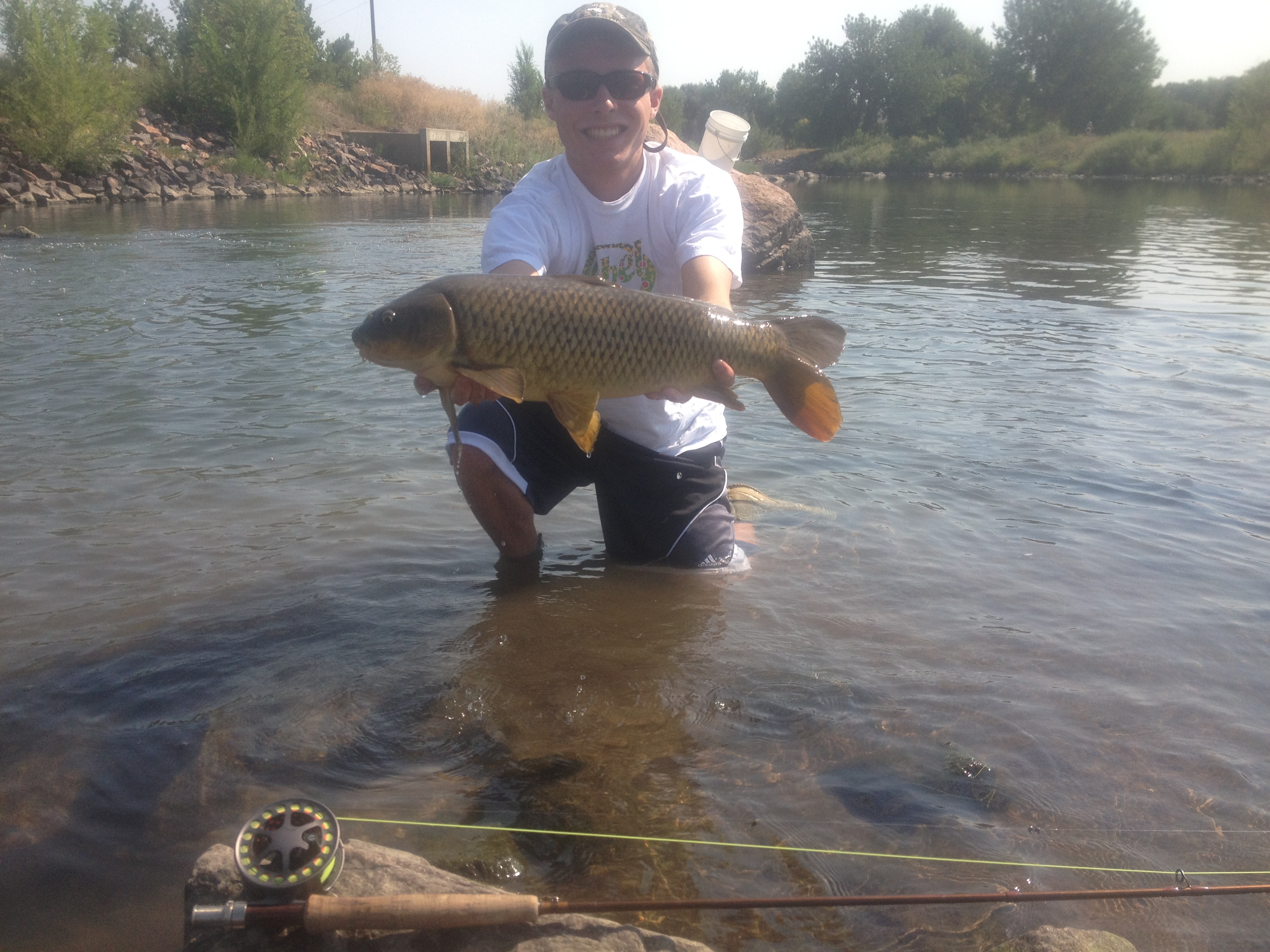
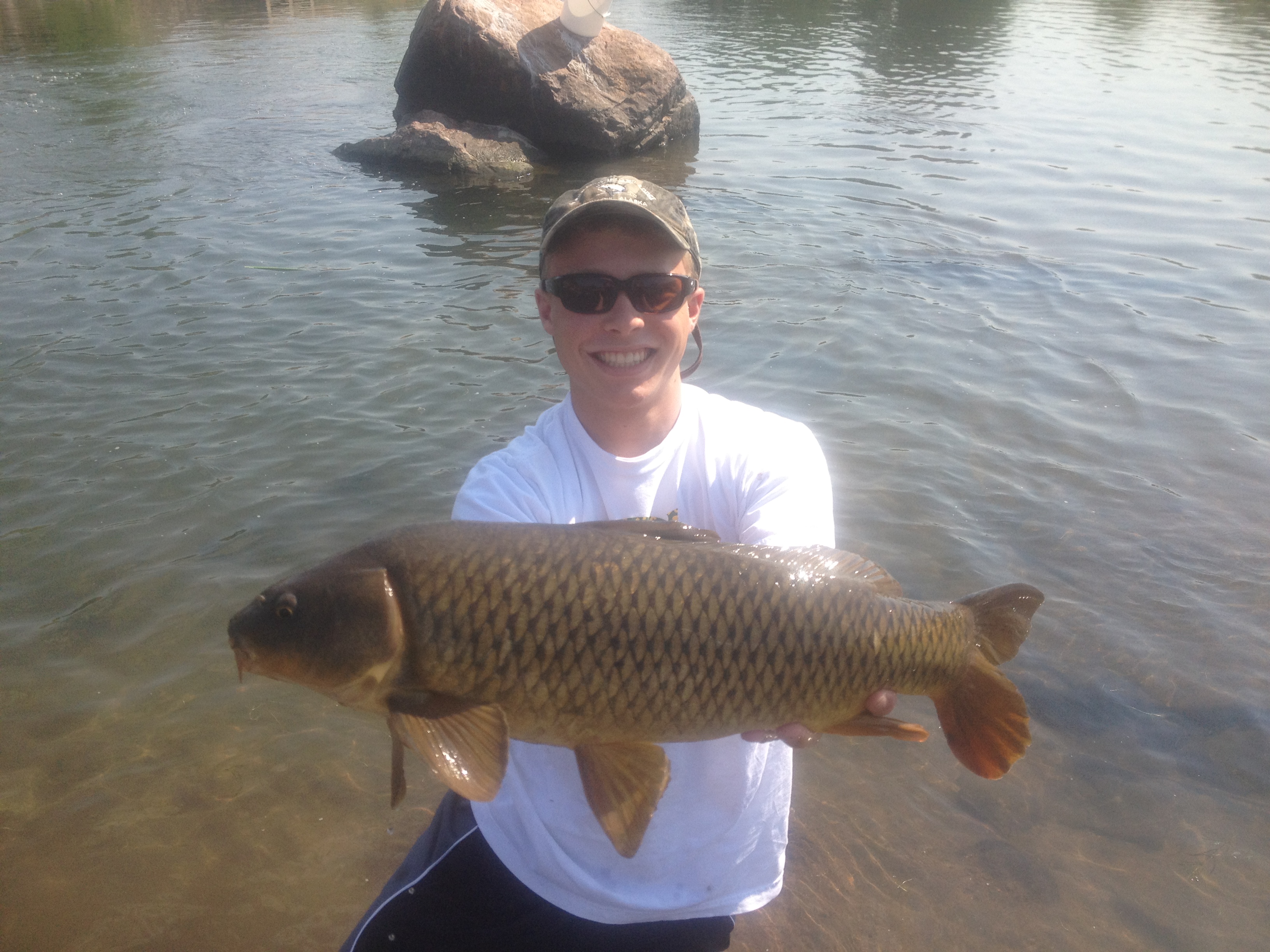
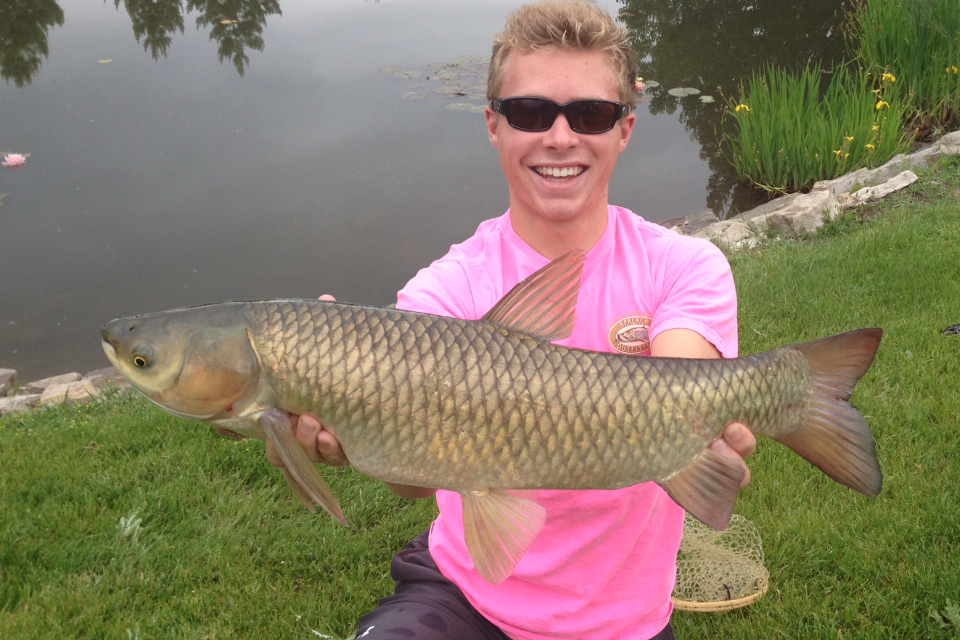
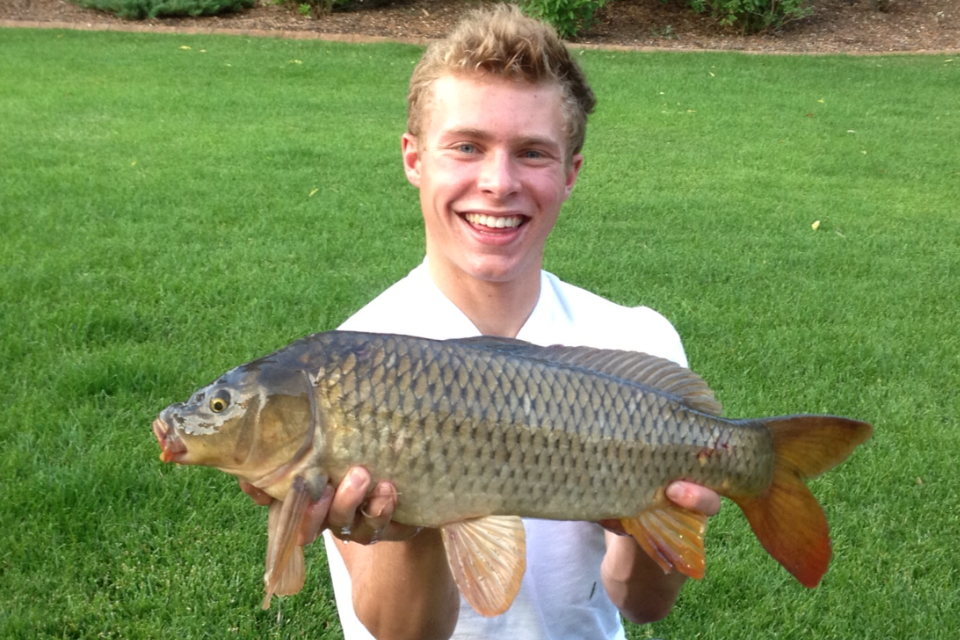
2020 was another year full of awesome fish and good times on the water, but this post is dedicated to one of the fish that has made my time in GA all that more enjoyable: carp. Yes that’s right, good ol’ Mr. Rubber Lips.
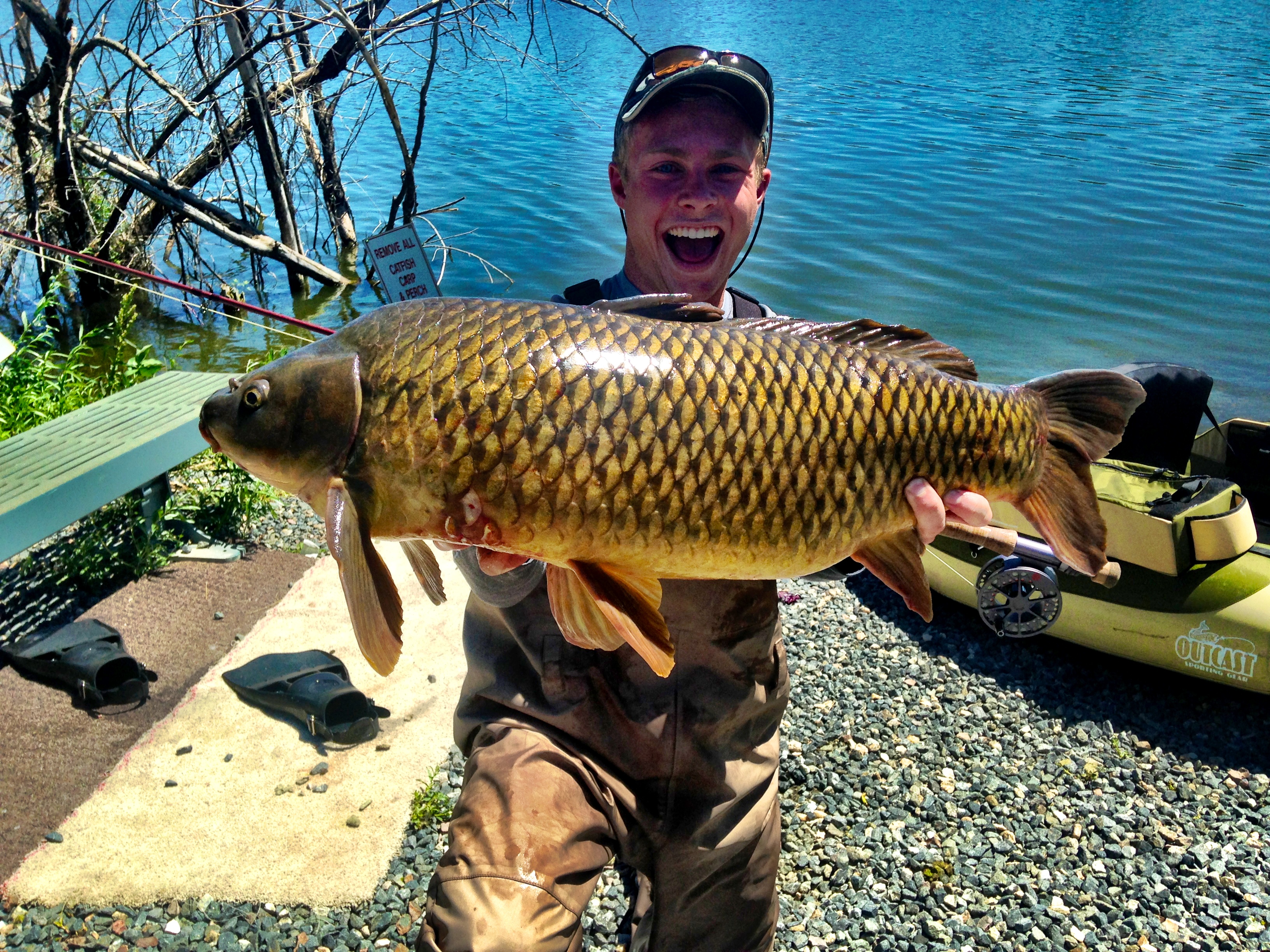
What is funny about fly fishing for carp is that it has picked up a pretty large following over the past 10 years or so. When I was younger, there was very little published interest to go after these fish, but now there are plenty of people who view these fish as a prize rather than “trash”. What is even funnier is how people now will portray carp as the “Golden Bonefish” of freshwater, and get into really technical discussions on the “musts” in terms of catching these fish. The bottom line is that if you take the time to get to know these fish, it is pretty tough to beat fighting a 15+ pound fish on a 8-weight fly rod close to home.

Having fly fished for carp since I was a youngster, I have come to realize that there are really 3 main areas of importance when it comes to catching these fish on a fly rod:
- Body Language: Sounds ridiculous on paper, but those who fly fish for carp a lot will understand. With practice and spending time on the water, you will be able to identify which carp are feeding modes or in “chilling” modes based on their body language. Sometimes they can also be in a “curious” mode which means that although they aren’t feeding, they also aren’t opposed to eating if something should land on their face. Any time you see a fish with it’s tail up mudding around in the bottom, or skimming the surface for bugs/seeds/what have you, those are good fish to target. However, if you have a fish that’s just sitting in one spot and not doing anything for the life of them, it might be better to move on and find a more willing fish.
- Location: This one is big. 80+% of the carp I catch come in areas that I know fish congregate., and where I have scouted them before. They aren’t so much like bass or trout where they can be anywhere throughout a river/lake based on a good riffle, or submerged log. I have found that carp tend to find their preferred stretches of water, and will tend to hold up in these areas while active. Take the time to figure out where these areas are, but once you find them, don’t spend all day running around trying to find “greener grass”. What is nice about carp is that most areas of the US have populations of them!
- Less is More: Not going to get into specifics on leader size, flies, and all of that. But in general, lighter tippet, smaller (less busy) flies, and less movement (i.e. stripping speed) are all important. These fish for the most part take their sweet time to analyze a situation, and the more you can do to make a presentation seem easy to eat, the better.

For those interested in a really fun challenge, I have been having a blast fly fishing for carp on my stand up paddle board/microskiff (Bote Aero Rover). Having some sort of water craft allows you to find calmer areas of lakes and rivers where carp often congregate, and it is a blast fighting these big fish from these types of water crafts. Keeping your line in control becomes a must in these types of situations. I would also recommend having some sort of a “push pole” with you, in that one of my favorite things to do is get to a good area, stake up, and wait for fish to come by. In Georgia specifically, fishing from the Bote is a game changer for me. I can also say with confidence that in terms of sheer numbers of these fish, GA has really been impressive (especially from April-October).
As always, hope everyone is able to get out on the water as much as they can in 2021, and don’t overlook the fun that these fish can bring!
Joe



 joepetrowflyfishing