Category Archives: Uncategorized

Georgia Bass : Pick Your Preference

When I first started dipping my toe into the fishing scene down in Georgia, one thing was pretty apparent. This state loves their bass fishing. Having fly fished for bass all my life in a variety of environments (river float trips, large lakes, small ponds, drainages below reservoirs), I was somewhat expecting the results and tactics to be similar down here. With this said, I quickly learned that Georgia has one of the most diverse environments to fly fish for bass in the country, and I was fortunate enough this year to experience throwing fly line at these fish in a multitude of ways.

To begin with, Georgia is blessed to have a handful of very different bass species swimming throughout it’s waters: largemouth bass, spotted bass, redeye bass, and striped bass all call this place home. Although I have not yet fully committed myself to the striped bass here yet (having a bigger boat would be nice for this), I have been lucky enough to pull on largemouth, spots, and redeye throughout the state. What is interesting about these three species of bass is how different they all are, and how each one gives you an individual experience while on the water. The best part of it is that you are able to pick your preference on which one to target no matter the time of year.

Let’s start with the classic largemouth bass. The good ol’ US of A freshwater fish that mostly everyone knows. I have been able to find numerous water bodies in the greater Atlanta area that hold these fish, some being of immense size and eager to take large flies. To be quite honest, I need to appreciate these fish more in that they are the most easily accessible of the bass species here. Not only that, but they are willing to hit top water flies when fished at the right time. Although I wouldn’t say that Georgia matches Florida in terms of the largemouth fishery, I have been impressed with the fish that I have found down here.
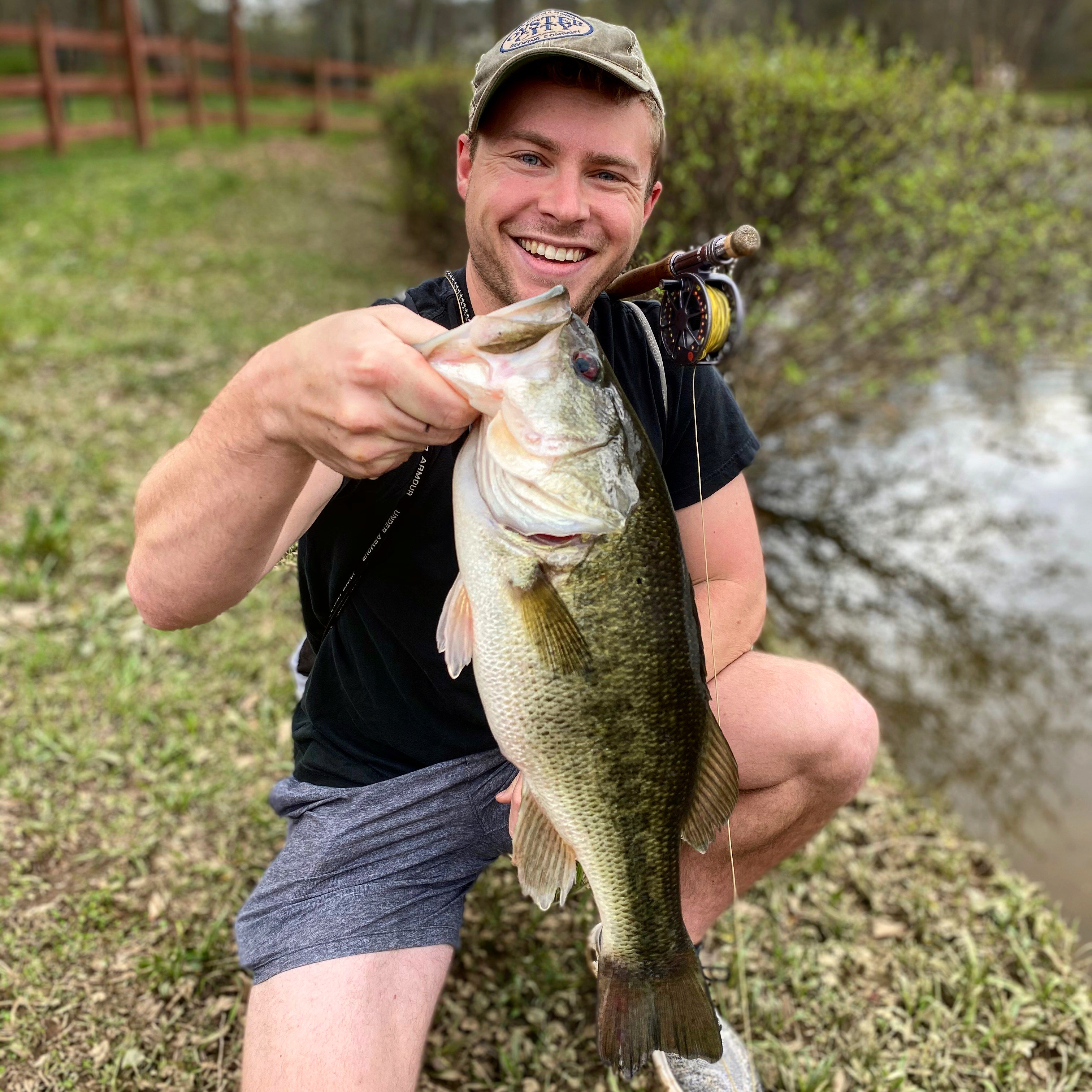
Joe Petrow – Largemouth Bass

For our next Georgia bass, let’s talk about the spotted bass. Prevalent throughout the state (especially in large bodies of water and river systems), I personally believe that the spotted bass gets a bad rap. Many people do not prefer these guys over the largemouth in that they are technically not native to the state. With this said, I believe that they have drastically improved numerous fisheries throughout the state, and also pull harder than the majority of their largemouth friends. Based on my experience, they also are a little bit friendlier to colder water in that they remain active throughout fall and winter. They somewhat remind me of brown trout out in Colorado: lots of people prefer the rainbows and cutthroats, but the browns are really what can pull a line and save a fishing day at times.
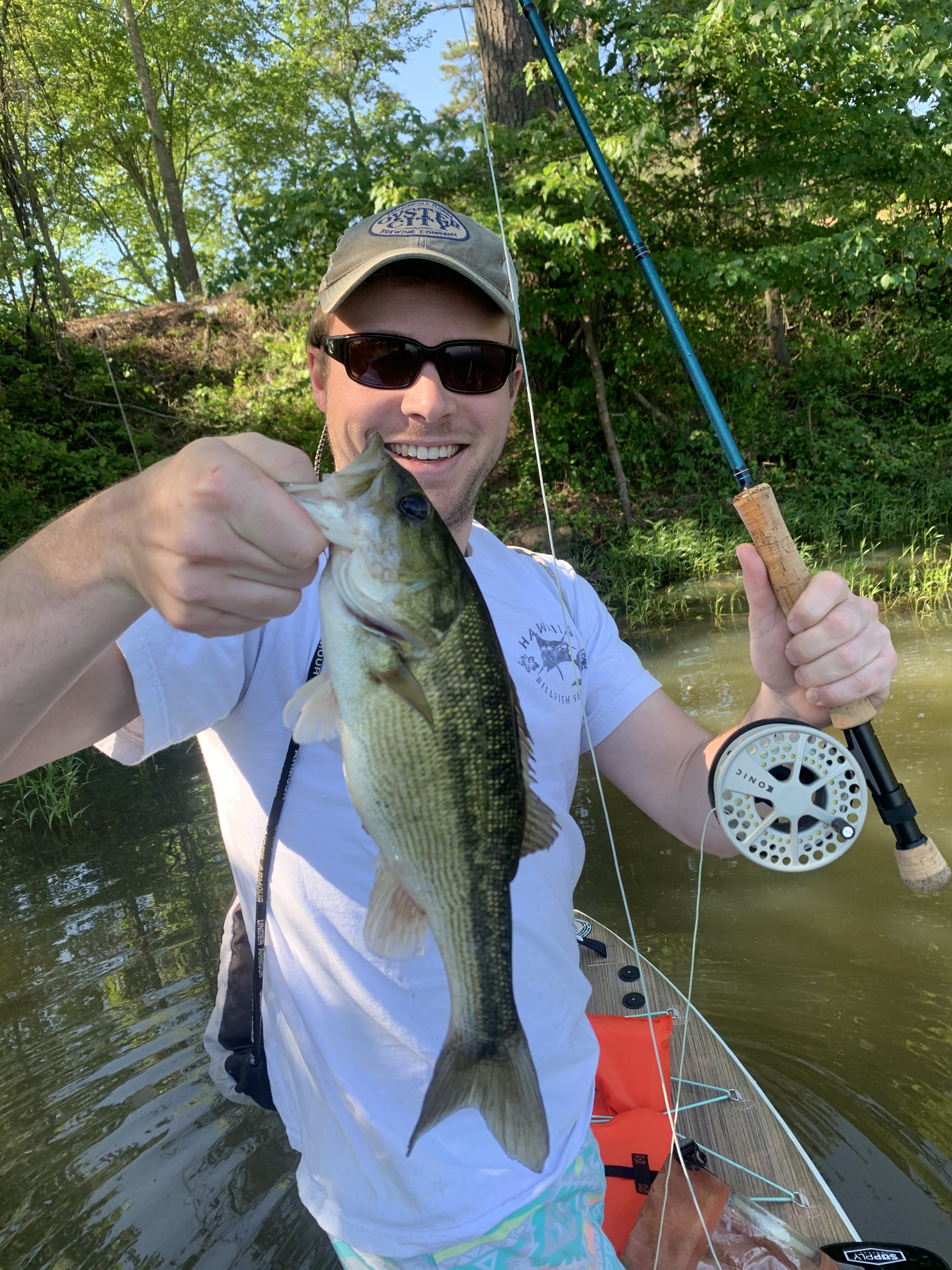
Joe Petrow – Spotted Bass

Spotted bass are also interesting in that I fish for them significantly different than I do largemouth. Although they will crush a topwater fly, many of the largest spots I have caught have been in deeper water on some of the largest lakes in the state (Lanier, Allatoona). These fish spawn at different times of the year, and also will spawn deeper in the water column. Because of this, intermediate fly lines can really help with success. 2020 provided me with some great spotted bass, and I’m already looking forward to it warming up enough to get back out on the Bote for the spring.
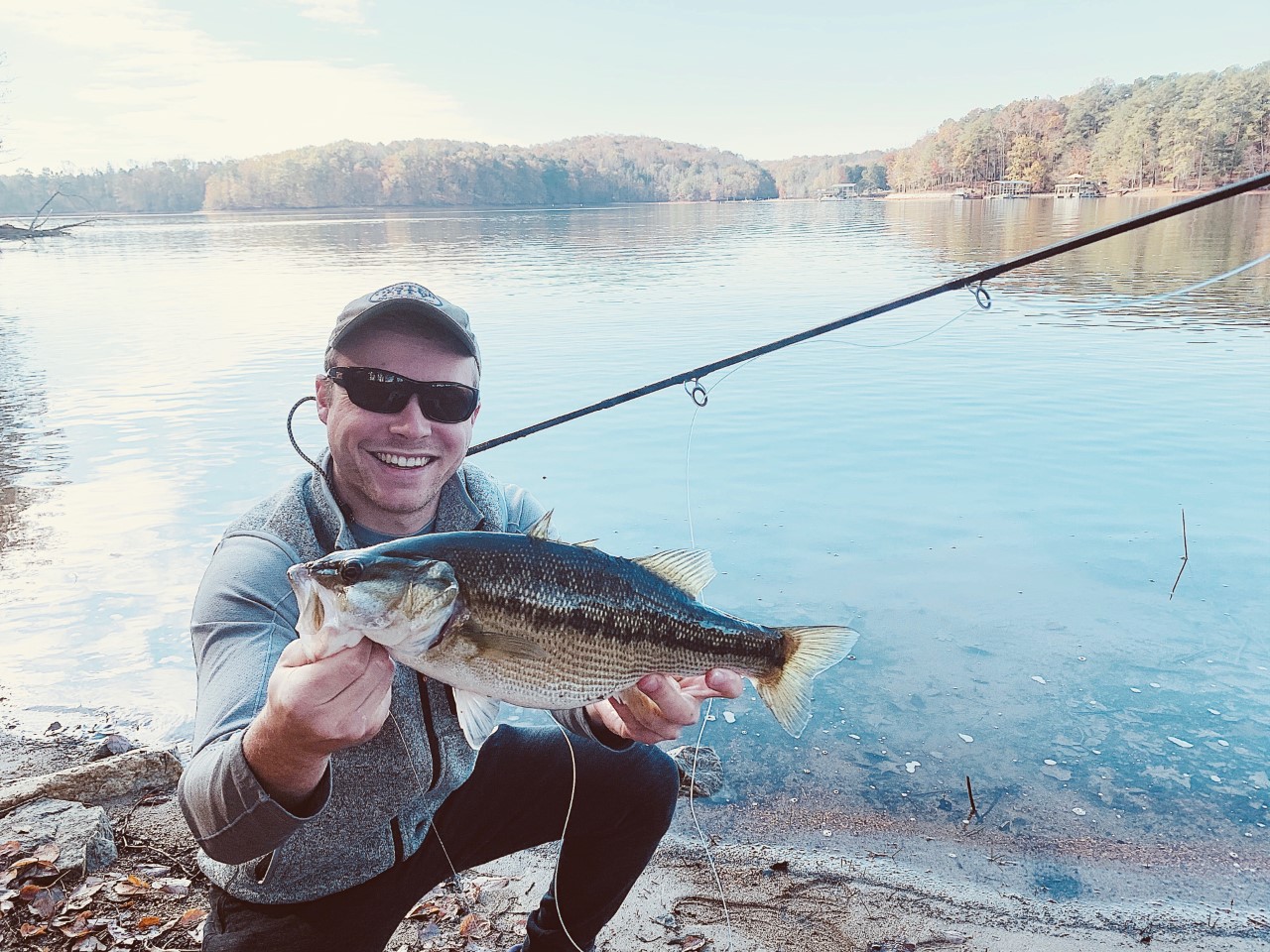
Joe Petrow – Spotted Bass

As for the last species in this post, I have saved the most unique. The redeye bass. Many of you may not even know that these existed, in that they are native to the Southeastern US and are not the typical bass species that people will go after. They have several subspecies, and extremely specific ranges in which they inhabit. So far I have focused on the Coosa and Bartram’s strain, but there are a handful of other strains that I look forward to going after.

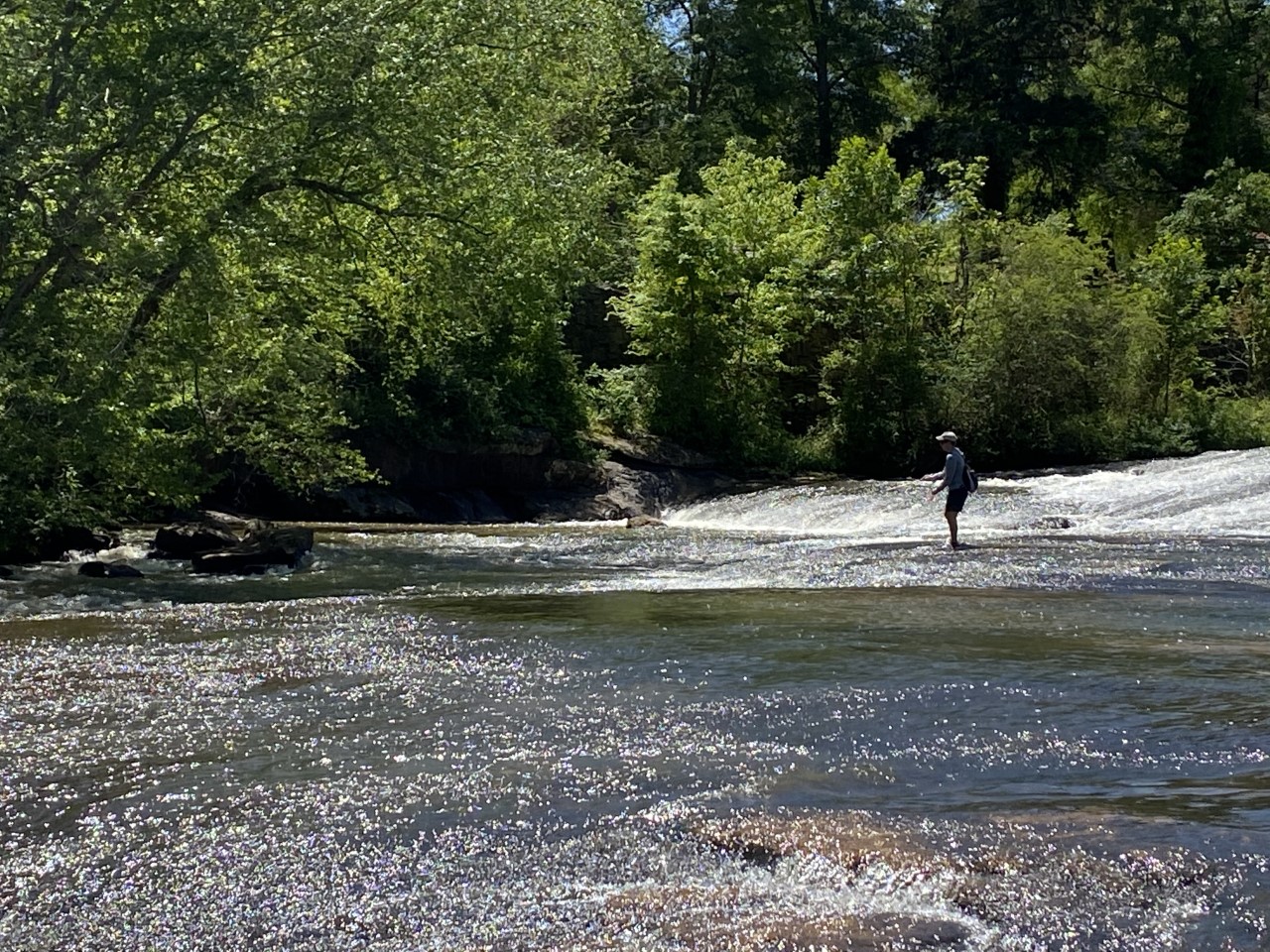
What makes these fish so special is where you find them. Unlike their largemouth and spotted friends, these fish really rely on colder, moving water in rivers and creeks. You will not find them in ponds, lakes, or even low oxygen parts of a moving system. They are somewhat crazy in the sense that when you are fishing for them, you almost feel like you are fishing for trout. These fish require clean and clear water, and my best method of catching them so far consists of a well stripped wooly bugger in a fast current. They literally act like a trout version of a bass, and that to me was a first when I came across them this year.
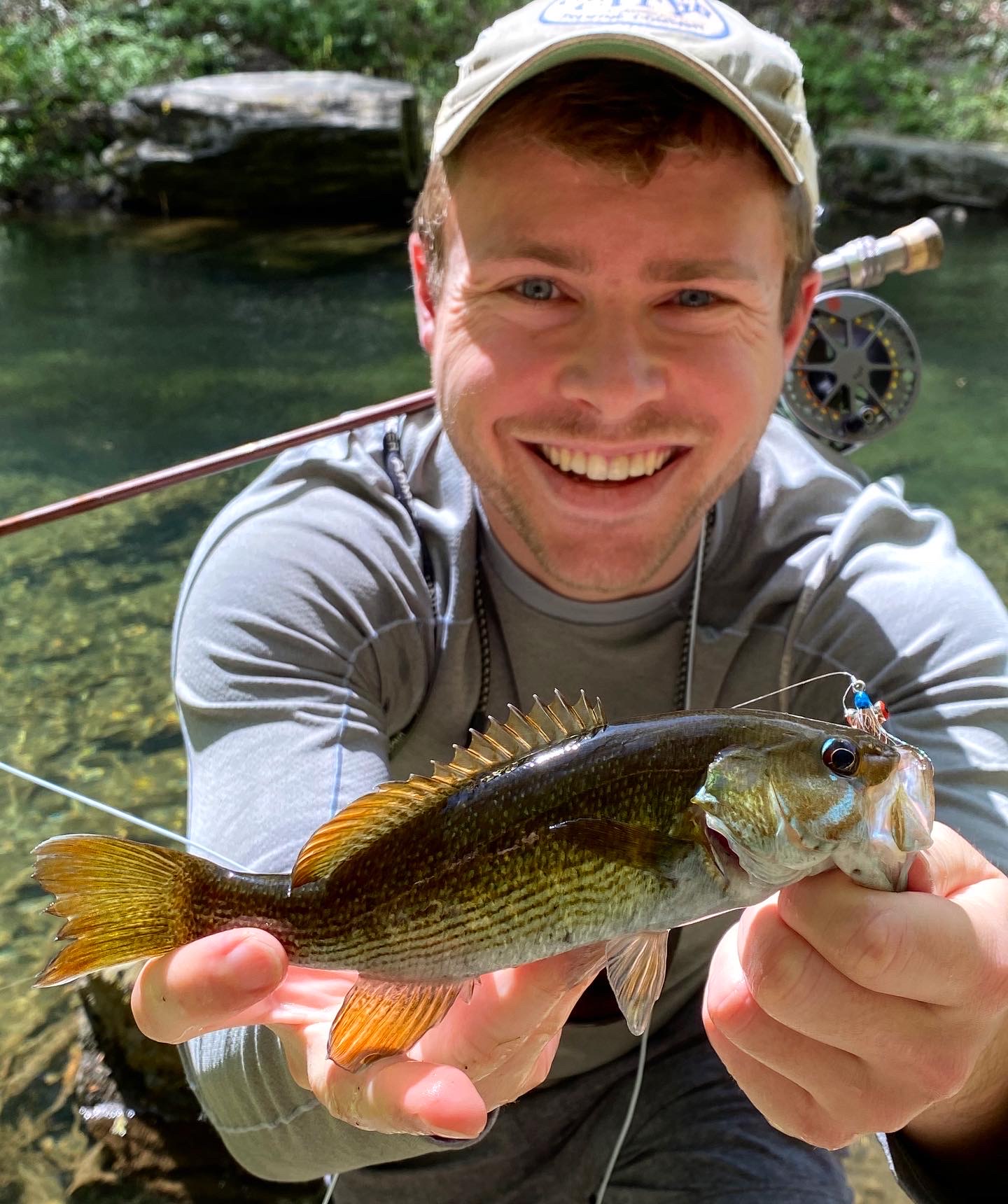
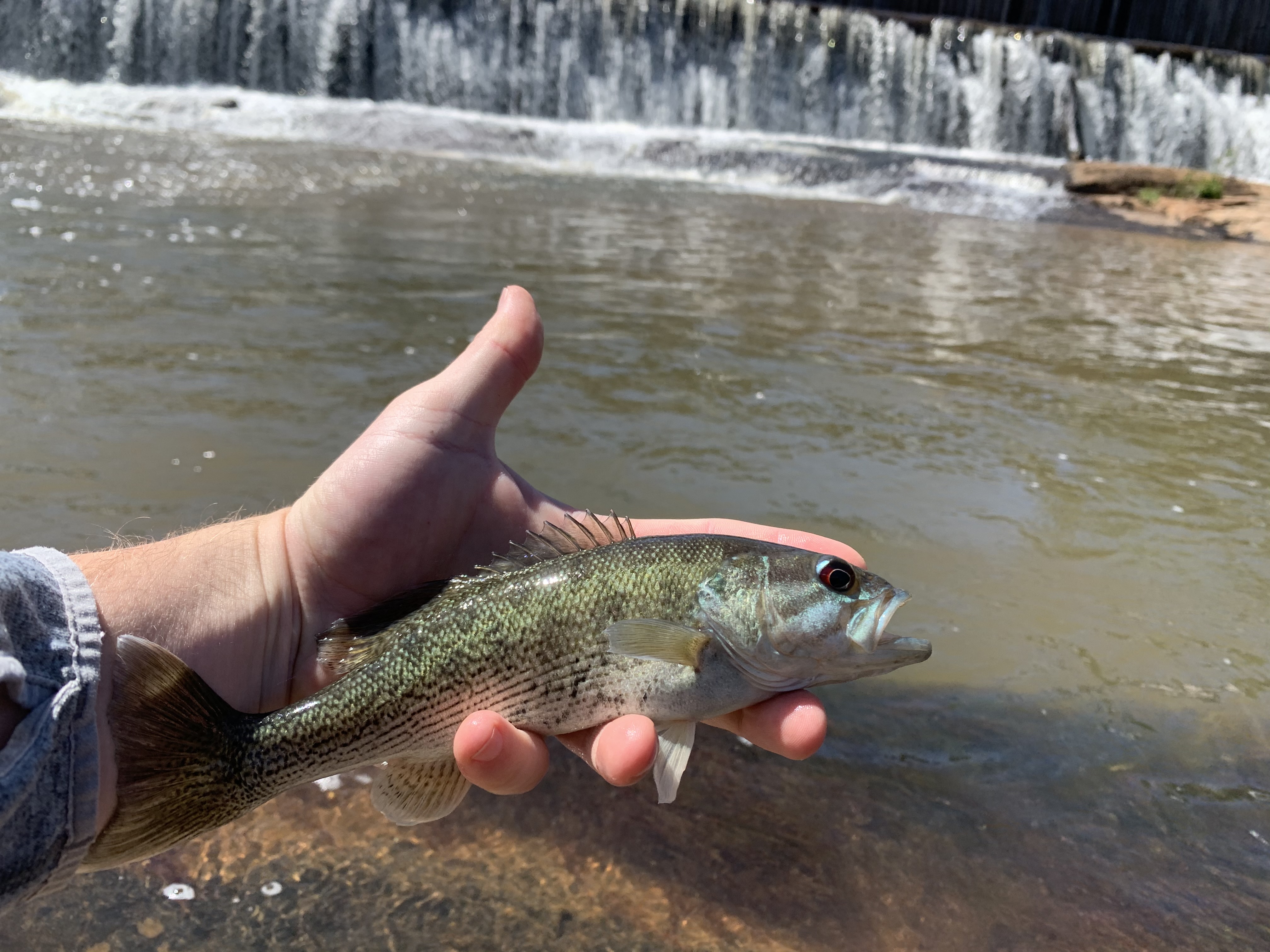
Joe Petrow – Redeye (Coosa) Bass
Bartram’s Bass – Joe Petrow

Another thing to consider about the redeye bass is that these are not big fish. A 10-inch redeye bass is considered to be a nice one, but as you will see in these pictures, they are beyond a pretty fish and make up for their size in terms of the fight, aggressiveness, and scenery that they provide you with. Although I have found some great areas to target these fish, I am still looking forward to exploring new waters during peak season (warmer months) and throwing topwater flies for them.

Joe Petrow
Joe Petrow

2020 was a great year for all of the Georgia bass species that I’m lucky enough to have in driving range. Looking forward to getting on some more this year!

Joe

Before the Madness Tarpon

What a year. Although unacceptable that I have not been posting stories as they have taken place this year, definitely wanted to take the time to get some posts in before the New Year. For the sake of everyone, I won’t dive into the absurdity of everything that has taken place in 2020. With this said, I will say one thing on behalf of every fly-fisherman out there : can’t wait to travel more for some fishing adventures in 2021.

Fortunately on my end, my dad and I were able to get in an Isla Holbox tarpon trip right before much of the lockdowns took place. Although many tarpon trips are “time of year” dependent, Isla Holbox is one of the few places on earth where tarpon can be caught year round. Personally, I think that fishing during the “winter” in Holbox can be some of the most productive. This year was a perfect example.

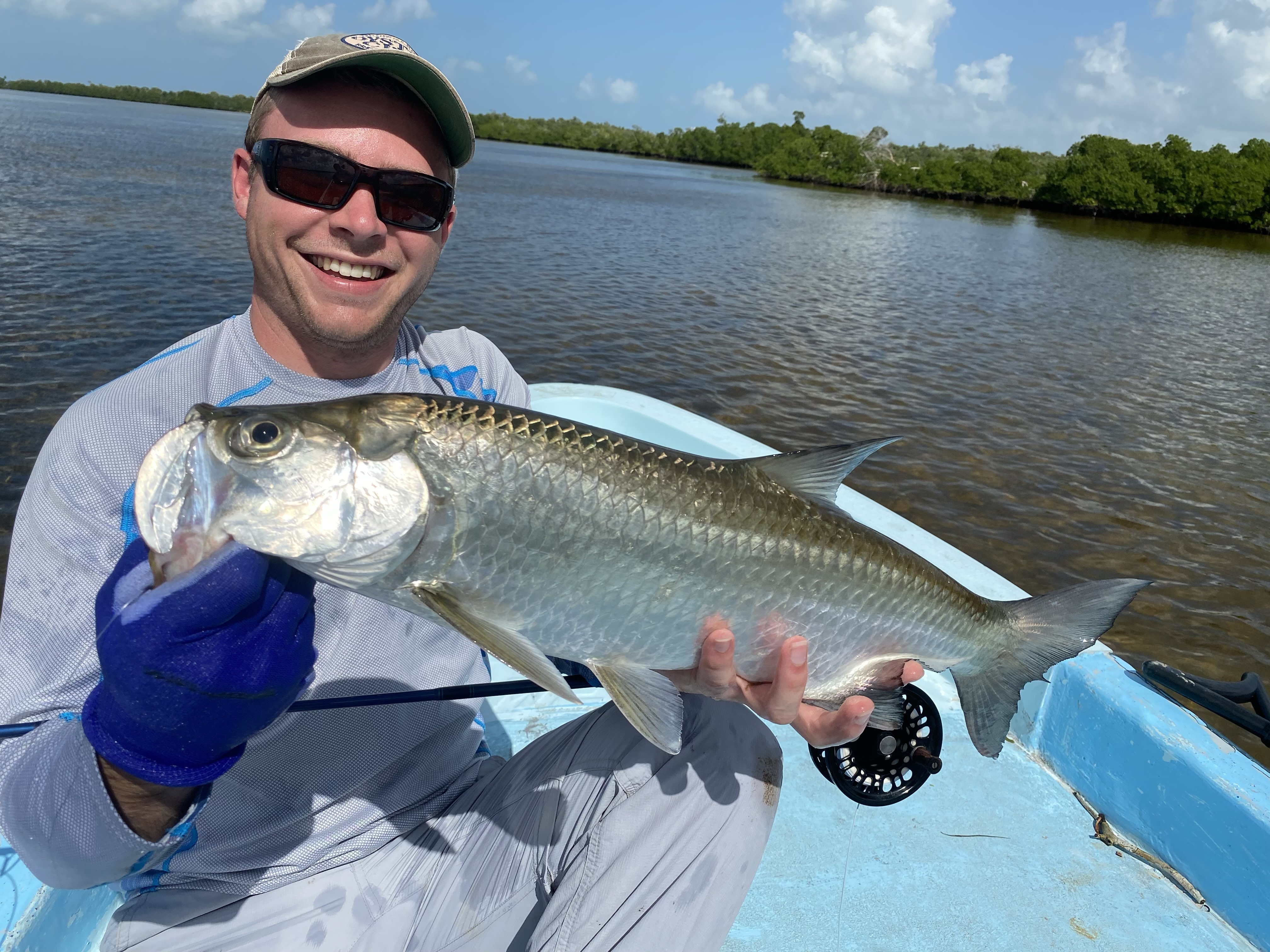
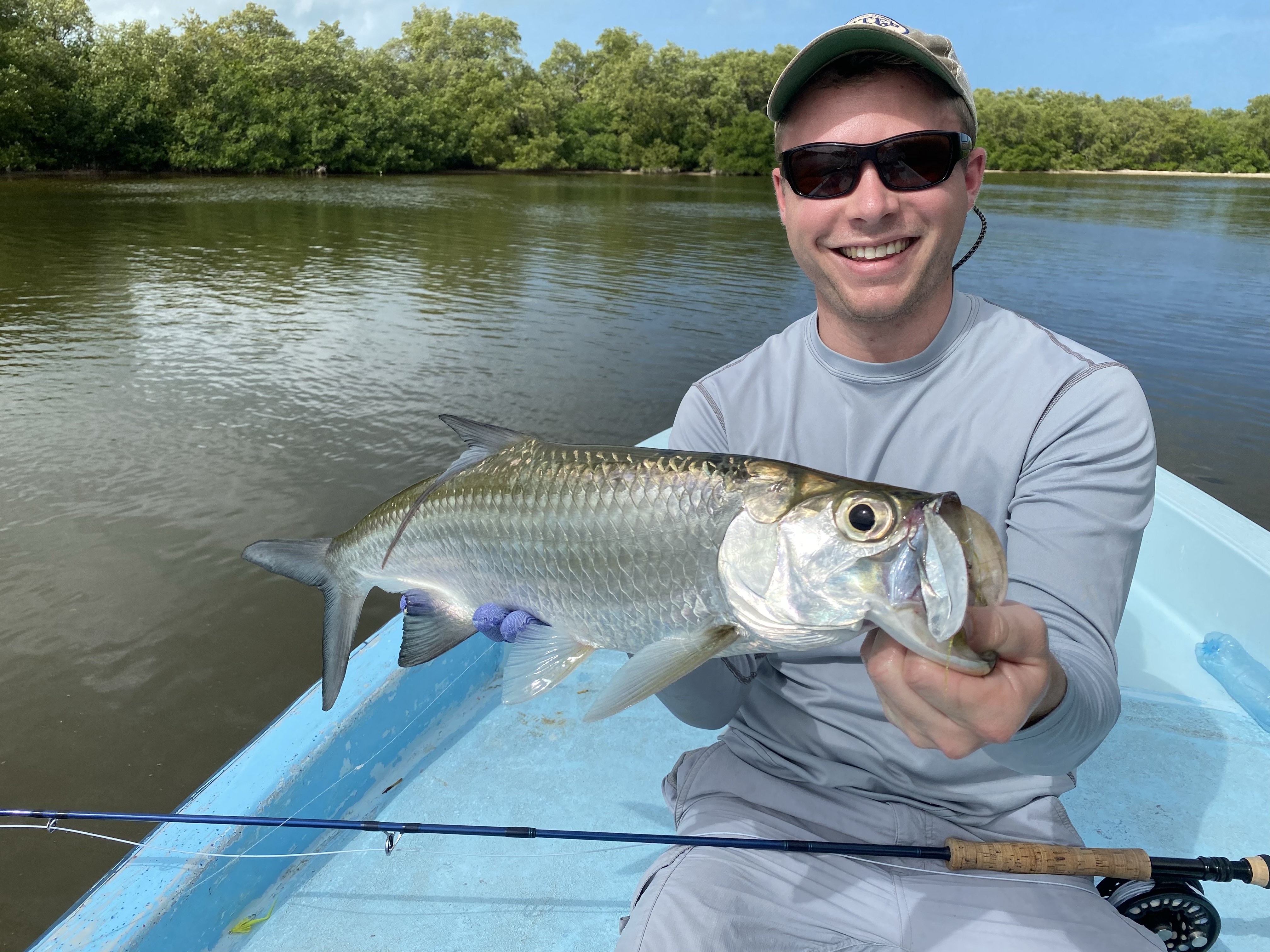
We arrived in Holbox just after the start of the New Year to beautiful weather, a quiet island, and lots of “snacky” feeling fish. Although the wind and time of year was not conducive for going after the “larger” tarpon, the conditions were looking solid for the juveniles (ranging anywhere from 5-30 pounds). Although our first day of fishing was a bit quiet due to wind and fish staying down, on our second day of fishing, we tore it up. Fish were rolling everywhere in smalls schools, and we had enough light to watch it all go down. Throwing the lightest flies we had in either yellow/brown, or in tan/white, we were able to land four tarpon (one being an absolute stud of a juvenile that was pushing 30 pounds and pushed our 8-weight to it’s limit). This fish specifically was the largest “juvenile” that I have caught back in the mangroves – was pretty special to watch it come out of a school of three fish to engulf the fly and go air born.

Joe Petrow – Tarpon
Joe Petrow – Tarpon

Day 2 of our trip seemed to just set the tone for the rest of the week. Now that we were well on the board, we wanted to use the rest of the week to fish in new spots, connect into some more fish, as well as mix it up with techniques every now and then. Although the majority of the time in Holbox will be spent pulling across the mangroves and flats surrounding them, we took some time this trip to find a few “drop off” channels and throw some clouser style flies to mix it up a bit. What was nice about this strategy was that you would run into the occasional snook (too many to count), mangrove snapper, or jack if the tarpon were tight lipped. Anyone that has spent any type on my blog or followed the fishing that I do knows that I don’t discriminate against any fish species (for the most part), and Holbox provides terrific diversity in between tarpon sessions.

We were fortunate enough in our last couple of days to find some massive schools of tarpon in crystal clear water. I’m talking 50+ fish easy that were making their way up and down the flats, and were rolling consistently throughout the day. As weird as this might sound, there were almost so many fish that it actually made them more challenging than if they were in small groups or individually being thrown at. Keep in mind that the water here was less than two feet deep and clear as can be, so all it took was for one fish to spook to throw off the rest. The trick with these fish was to throw as light and natural of a looking fly as humanly possible, lead the fish by 30+ feet and let the fly wait, to only be stripped when the fish were in range to see it. With the sun as high as it was, these fish could tell when fly line was flinging around, so we had to get these casts down quick and well ahead of time. Fortunately for us, the fish were willing to cooperate once we had the right fly on.

My dad and I were very lucky to get this trip in before the madness of 2020 kicked into gear. Here is to many more Holbox trips ahead of us, and a quick gratitude moment of being able to have this trip line up in the way that I did.

Joe

Georgia will be just Peachy

The curveballs of life. Some good, some bad, some undetermined until time has a chance to show you what opportunity awaits. As many already know, I recently relocated to Georgia from Utah, and the past year has seemed to fly by like crazy. Although leaving Utah was one of the most bittersweet events of my life so far, I definitely am loving Georgia and was very excited to jump at this new opportunity in life.

With this being said, one of the first things that popped into my mind before this move took place was “but what about the fishing..?” Upon first glance, I was viewing this as somewhat of a downgrade. To plug Utah really quick, other than Alaska, I would say that this is probably the second-best solely freshwater fly fishing state in the United States (Wisconsin/Minnesota could be in the conversation as well). I’m talking about the actual state itself…not in terms of proximity to other locations, in that the West is a tough place to state hop in a car. The variety of species and different bodies of water in Utah is pretty tough to beat.

With this being said, I’m finding that Georgia is definitely a dark horse fly-fishing state. As this post will discuss, the saltwater fly fishing opportunities in Savannah and other coastal towns is unbelievable, and the creeks/rivers and lakes also can be very productive. On of the biggest benefits of Georgia, however, is the proximity to other states – i.e. Florida, TN, AL. Whether it’s a 45-minute flight, or a 3-5 hour drive, you can be in some of the best saltwater fly fishing spots in the country. That one is benefit of the behemoth ATL airport.

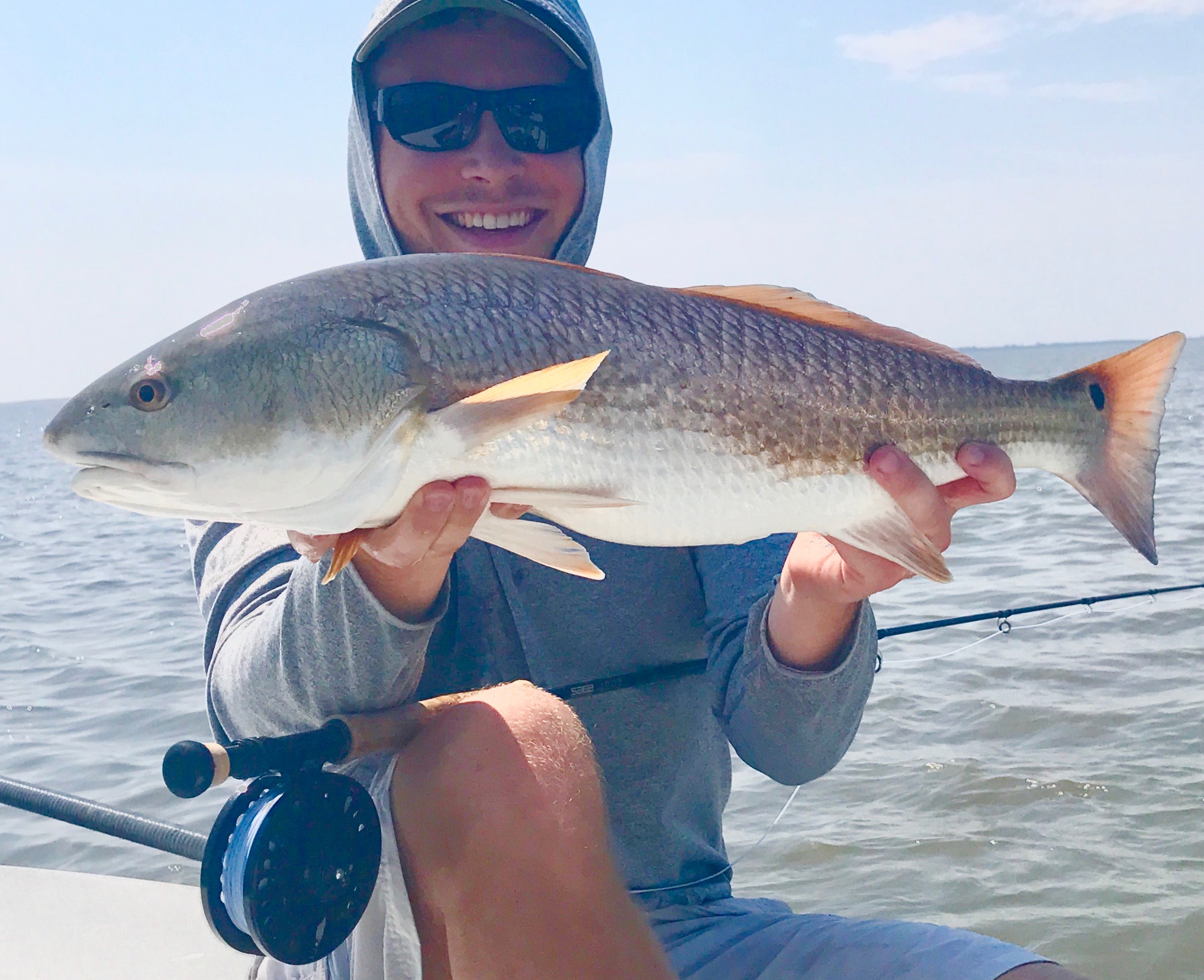
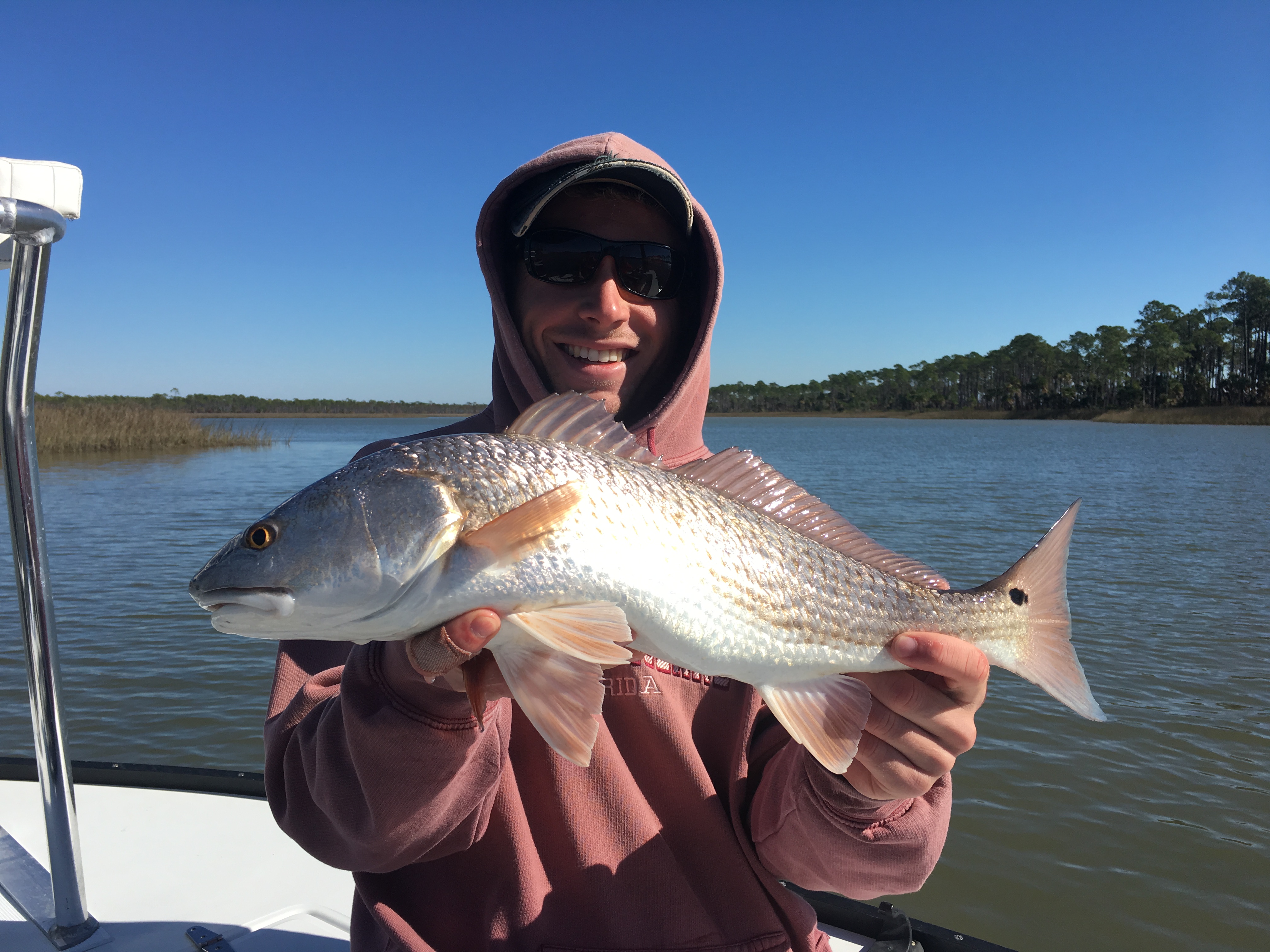
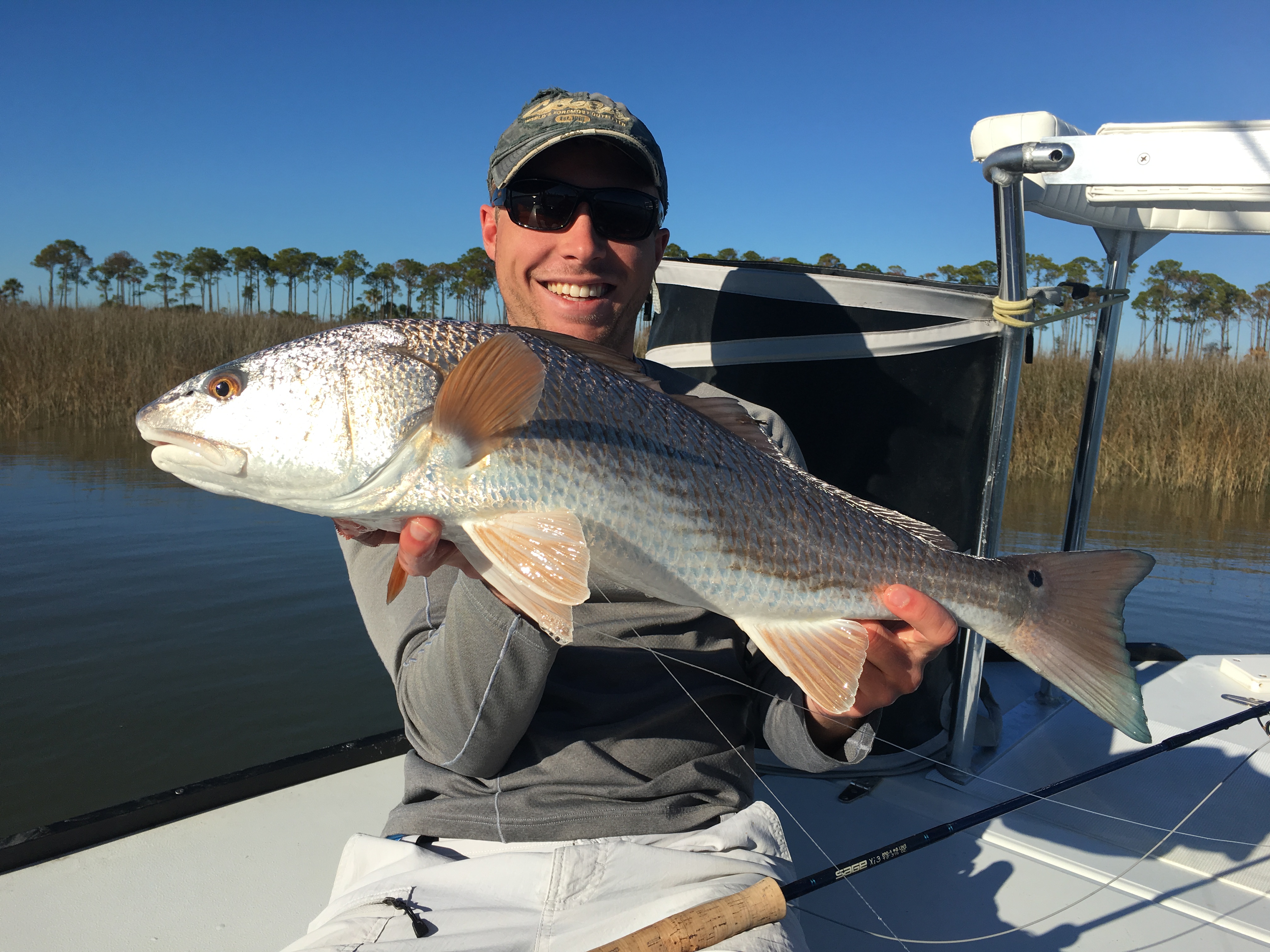
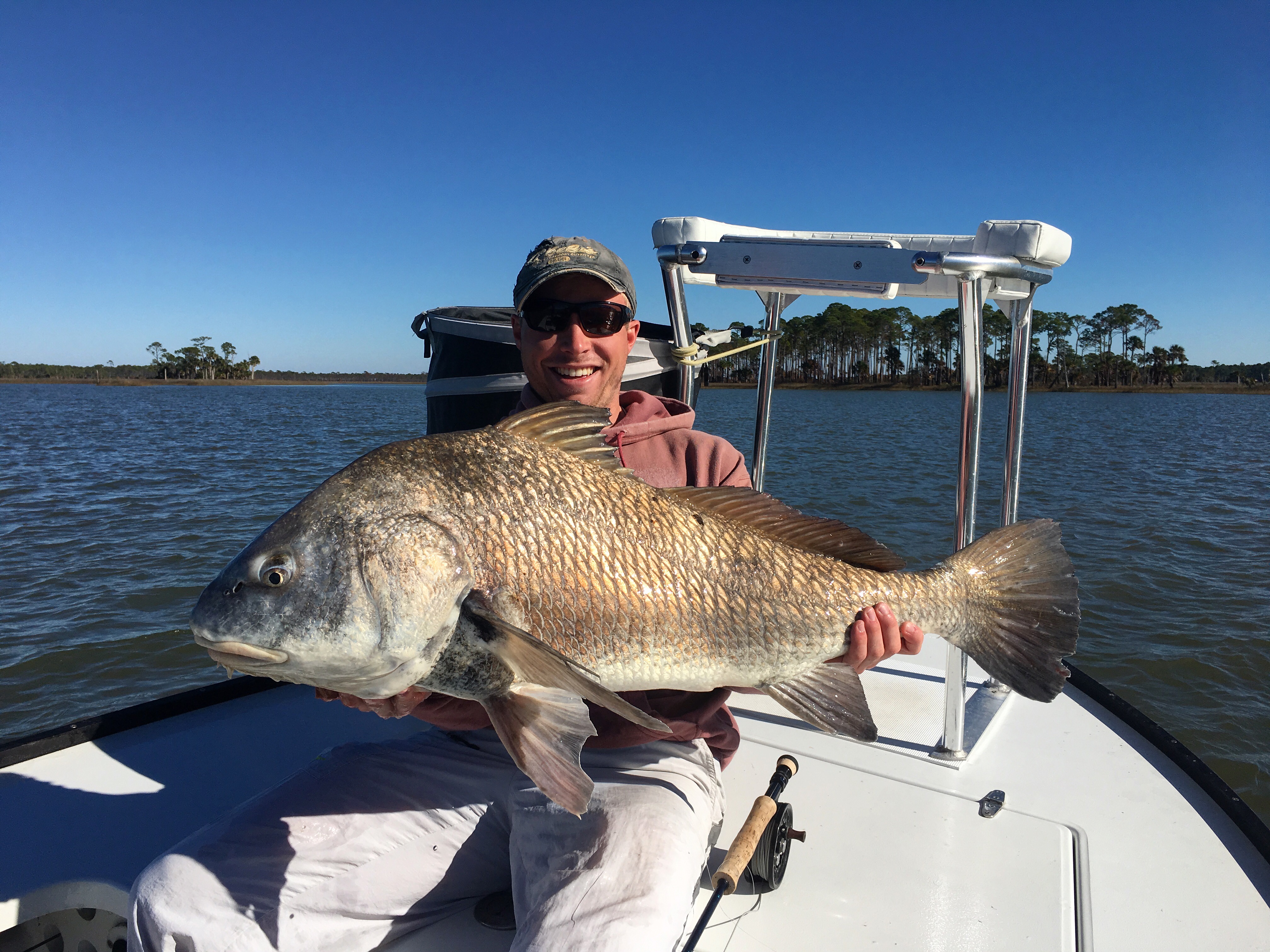
I recently had the opportunity to fly-fish for redfish down in Savannah, and boy was I impressed. Not only at the sheer number of fish we saw, but the quality as well. Pushing the flats boat up in two feet of water to catch quality redfish all day was pretty amazing for a 3-hour drive, and was a great way to test out new fly patterns. It reminded me a bit of Louisiana, but also of the Florida Panhandle, in that the water was clear but the marshes were vast. Savannah is also a special place to get a drink and nice meal after a hot day on the water.

IMG_0046 (1)
Joe Petrow – Redfish

FullSizeRender
Joe Petrow – Redfish

DCIM100GOPRO
Joe Petrow – Redfish

stsimonsred

In addition to the saltwater, I have been having a blast with the local creek and pond fishing in the Atlanta metroplex. Although it took a vast amount of research to find these somewhat urban spots, the species and experiences have been great. Whether it has been catching wipers below major dams, or sight casting big redbreast sunfish with topwater flies, the amount of fishing opportunities close to the city is definitely overlooked. There are also a plethora of largemouth bass, crappie, and bluegill in the local ponds, spotted bass in the larger lakes and rivers, and then even shoal bass in many of the creek systems. Georgia has been huge in terms of crossing new species off the list for me. Below are some of my solo-shots from recent outings.

Can’t wait to see what other fly opportunities present themselves in Georgia, and am beyond grateful to have a passion that follows me no matter where I live.

Tight lines!

Joe

Annual Muskie Outing

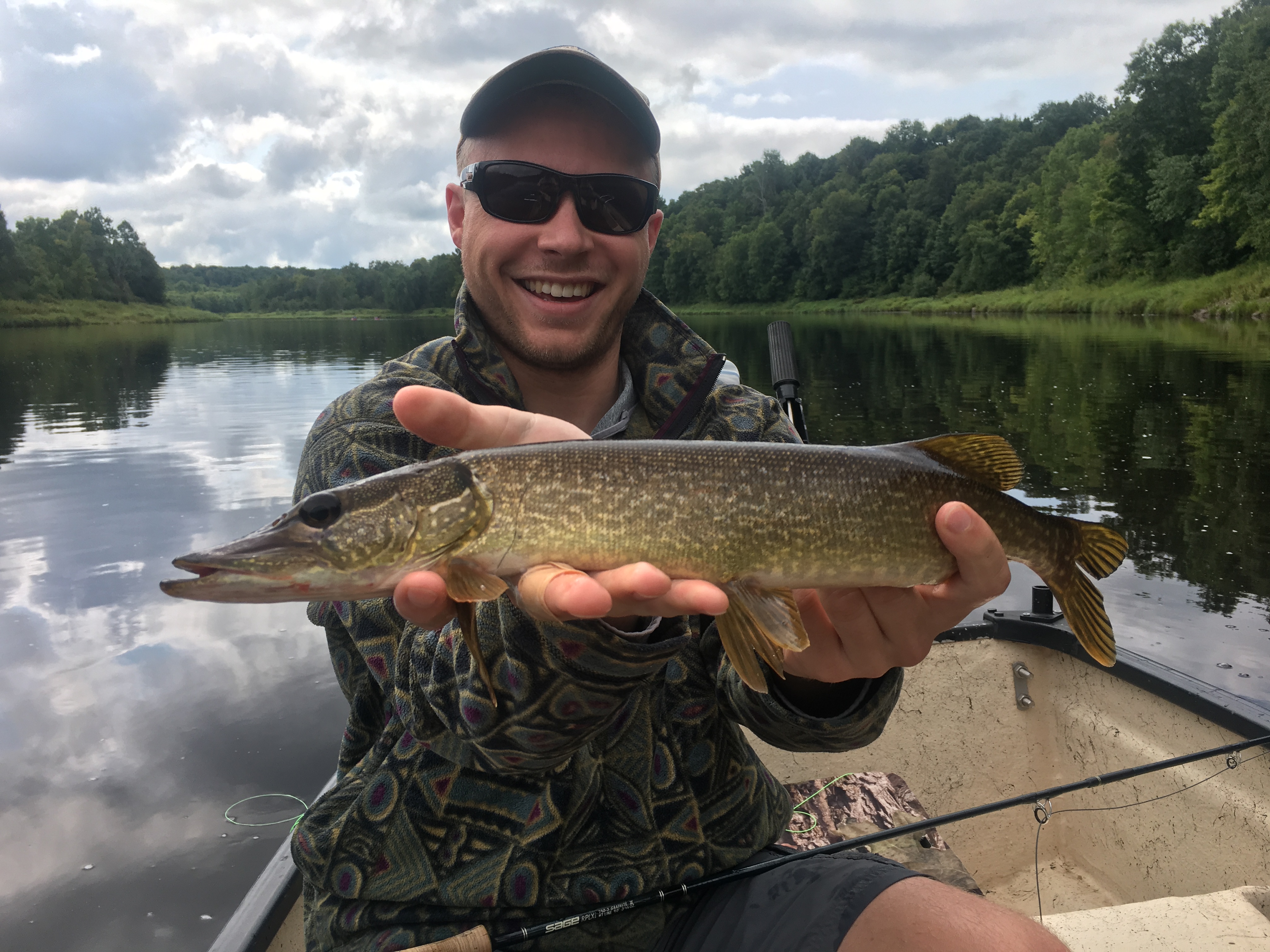
Although any fly fishing trip gets my blood plumping, there has been one specific trip that for the past four or five years that has become a staple in the annual lineup. Fly fishing for muskie up in the Northwoods of Wisconsin is not only an intense challenge, but features some of the most beautiful and scenic country that you will ever see. As has been the theme for trips this year, due to work obligations, we only had a couple of days to fish. For anyone that has fly fished for muskie knows, this can be a recipe for a let down, but we were fortunate enough to find some fish and have a great time per usual.

The first day of fishing was a typical day of muskies doing what they love to do – being stubborn and difficult. Although we had a handful of follows and fished some perfect looking water, the fish weren’t wanting to cooperate. Throwing 12-inch bufords to smaller bucktail baitfish, we tried it all and did not end up with the mean greenies that we were after day one. Fortunately enough, we still were able to get into some by-catch with some pike and smallmouth bass (one being a total pig that had us convinced at first that we had a muskie). After a tough but fun day on the water, we even took out a pontoon boat to a local lake to try our luck – same story, led to some pike but no muskie.

However, the following day was looking promising, in that we were seeing muskie blow up on bait and feeding actively. We also had an eat, the fish just didn’t stick (the strip set on my end was a bit suspect!). Honestly had never seen anything like it with these fish. With that said, we knew we were coming back the next day.

IMG_2205IMG_2207

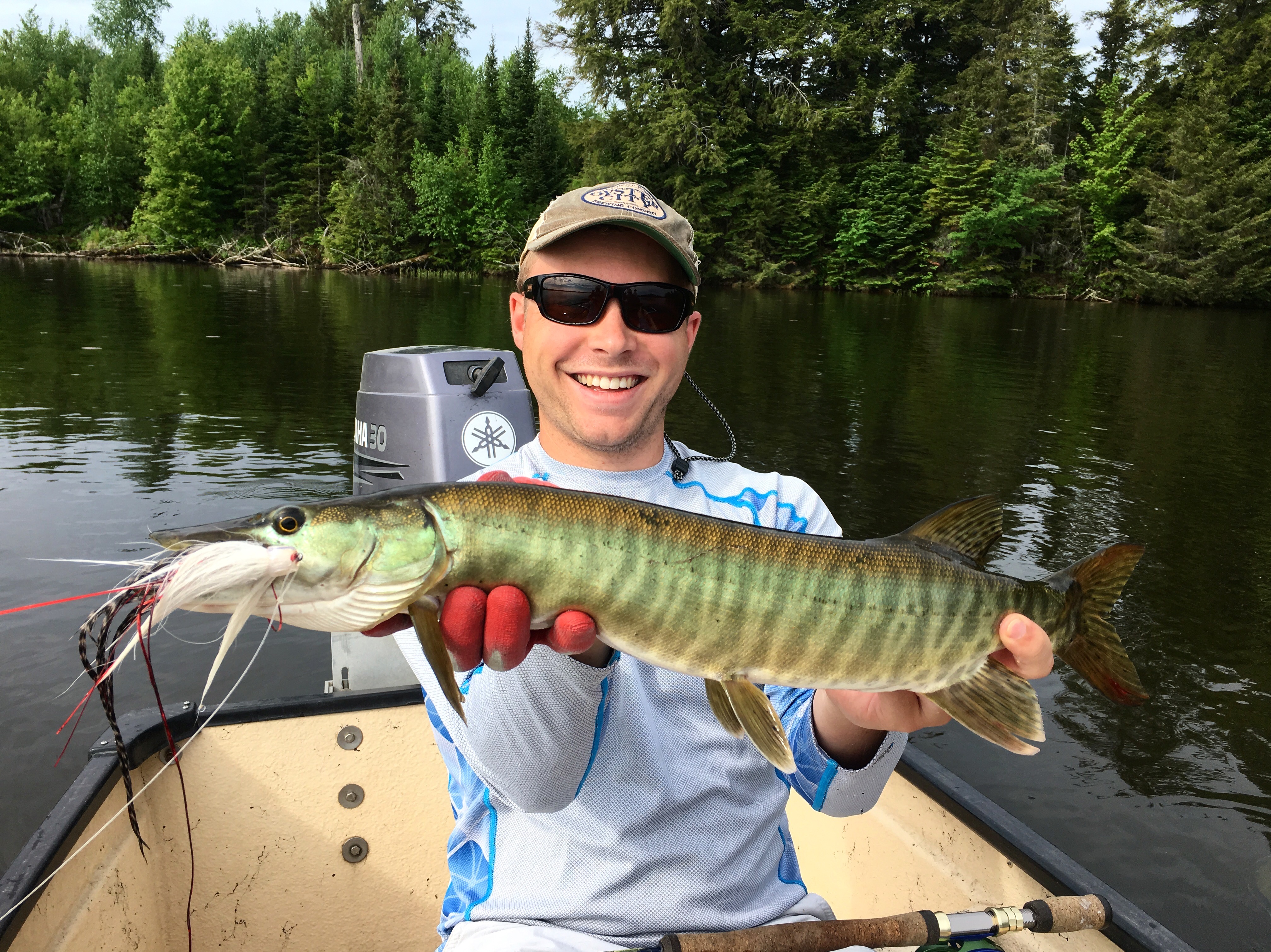
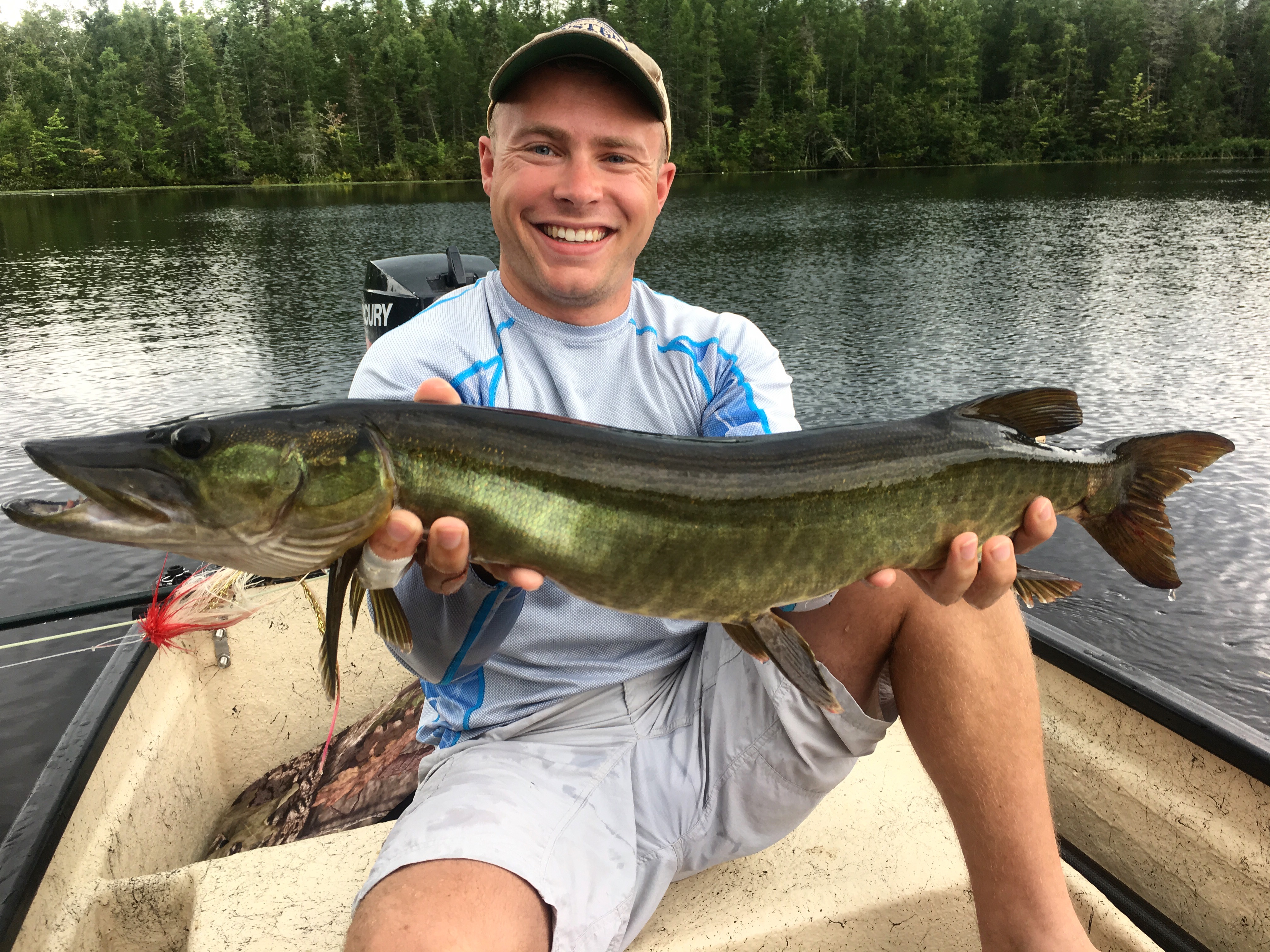
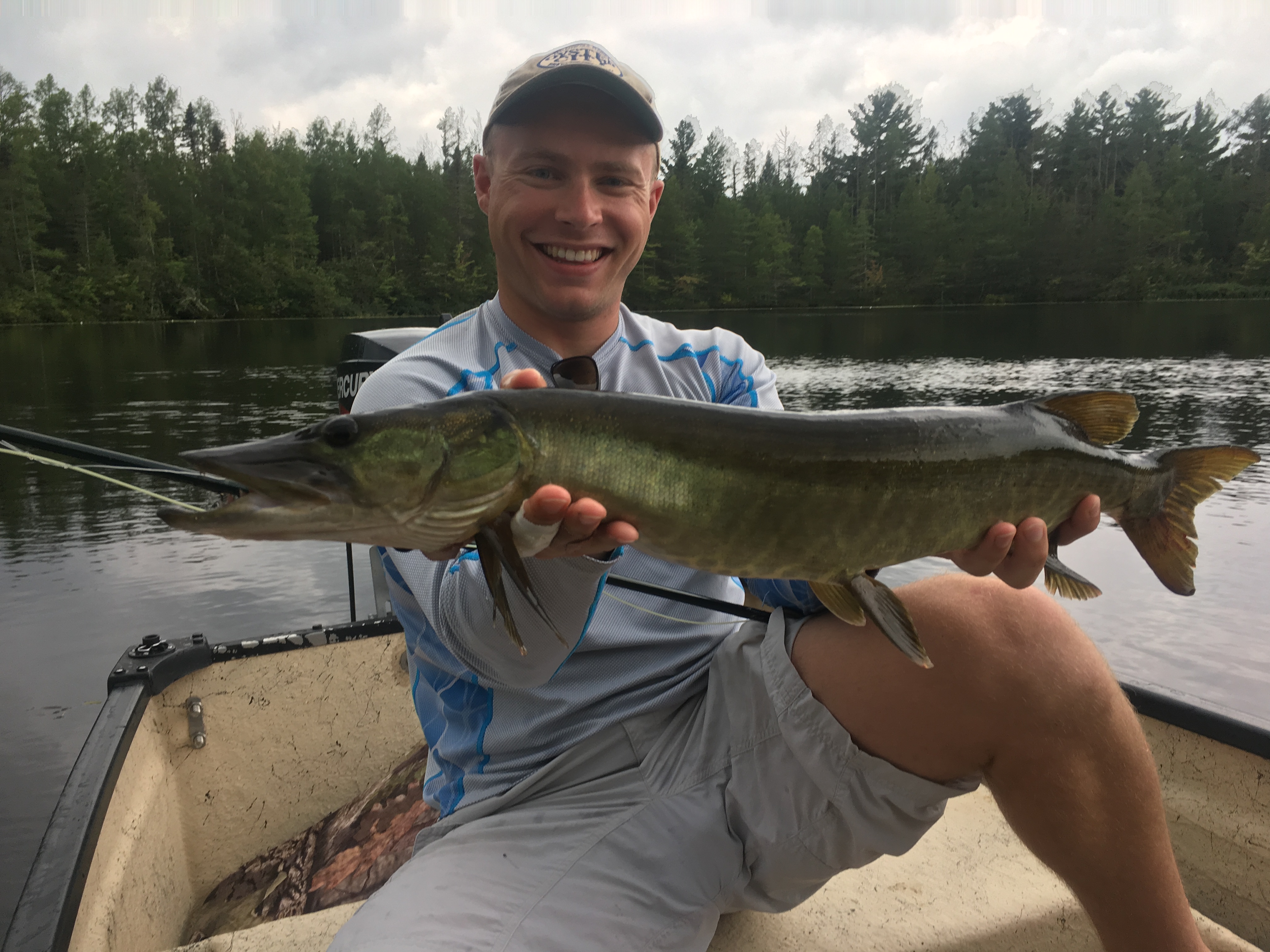
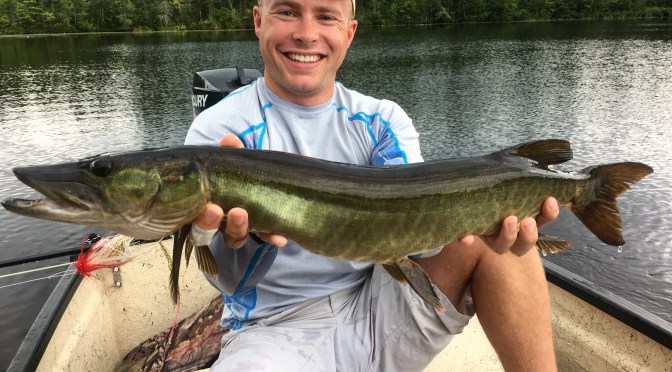
For our last day of fishing, we were able to make some magic happen. Upon arriving at the lake, fish were everywhere and we were seeing muskies left and right. It was one of the most active days of fly fishing for muskie that we have had – seven follows for the morning. After a hour of fishing, we finally had a nice muskie in the boat. Although no monster by any means, a true beauty of a fish that put up a strong fight. The thing with muskies is that no matter how big the fish is, it is a well-earned reward seeing one in the net.

DF2D7698-D3B7-4690-ABDA-6D3ED3C87076
Joe Petrow – Muskie

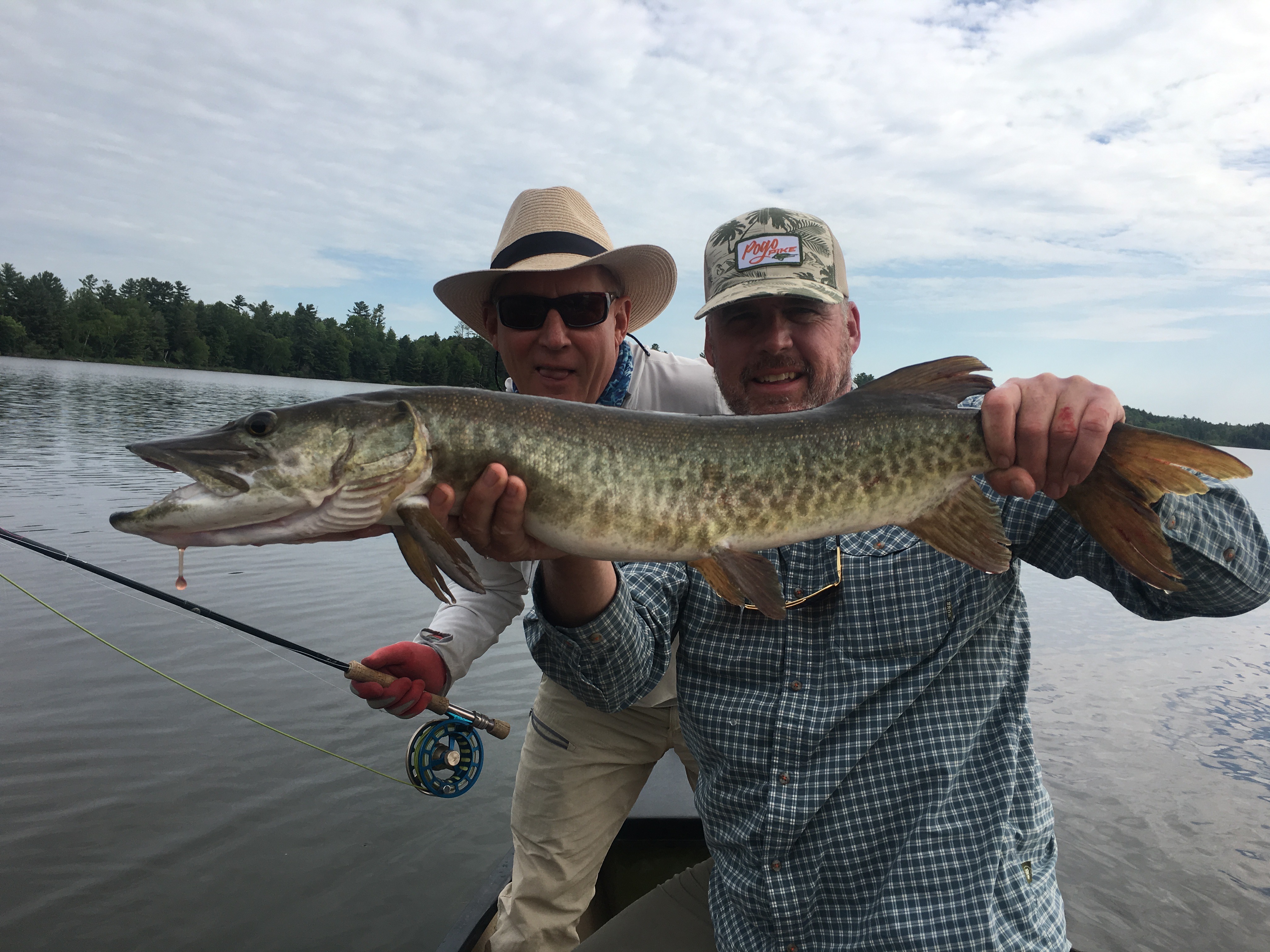
The highlight of the trip happened about 30-minutes later when I watched a massive gold flash explode on his fly. Funny enough, he was throwing about a 4-inch bucktail buford that is usually used for smallmouth (smartly on his end, we had been seeing smaller fish in the water, so he trimmed down the fly size). After a chaotic fight, my dad had his biggest muskie ever in the boat, and many cheers were to be had with our guide  (friend now after these years) Brad. A great father’s day reward for my best friend, and it was one of my coolest fly fishing memories watching him get his biggest muskie in the boat. Super special moment.

IMG_2216

Once again, the Northwoods didn’t disappoint. Although the numbers of fish were limited, the hunt was well worth it, and the final day magic kept everyone on their toes.

Tight lines,

Joe

Intro to the Everglades

Every fly-fisherman has those bucket list locations and fish that they want to get their eyes on before it is all said and done in this life. Whether it is catching a GT in the Seychelles, Golden Dorado in Bolivia, or Roosterfish in Mexico (as you can tell, I have some big future hopes for trips), the new experiences keep the passion alive and going. However, not all of these new experiences require an overseas trip.

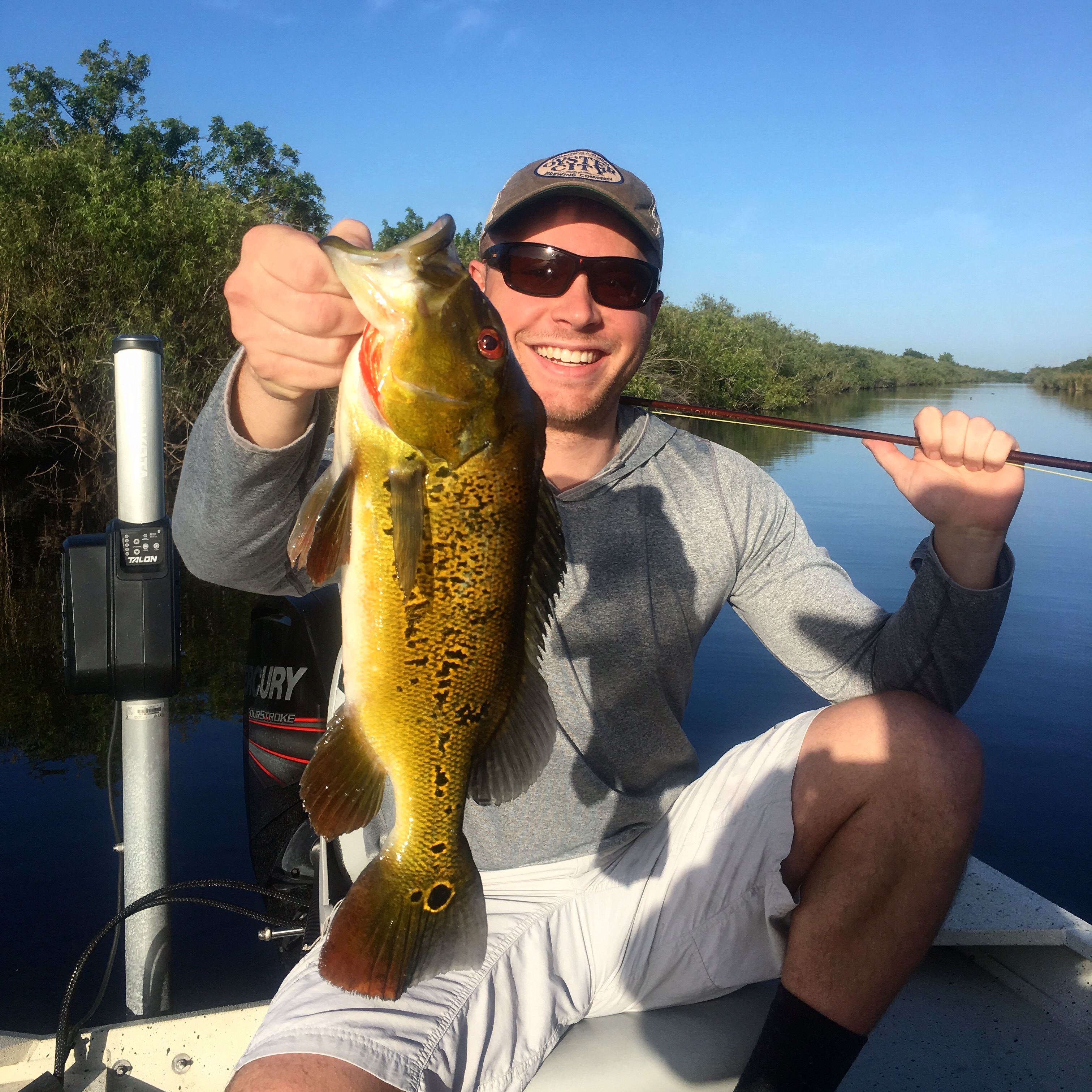
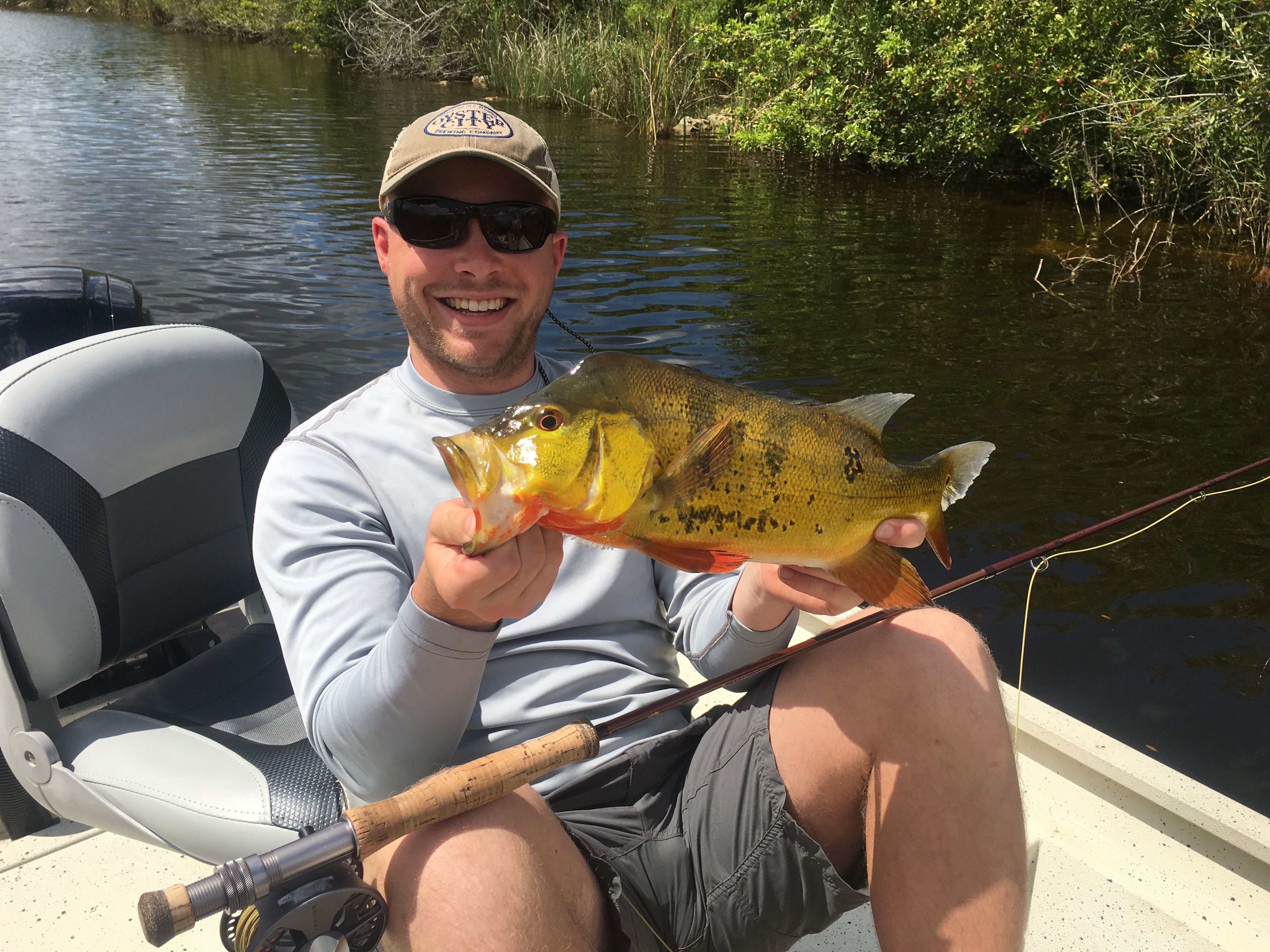
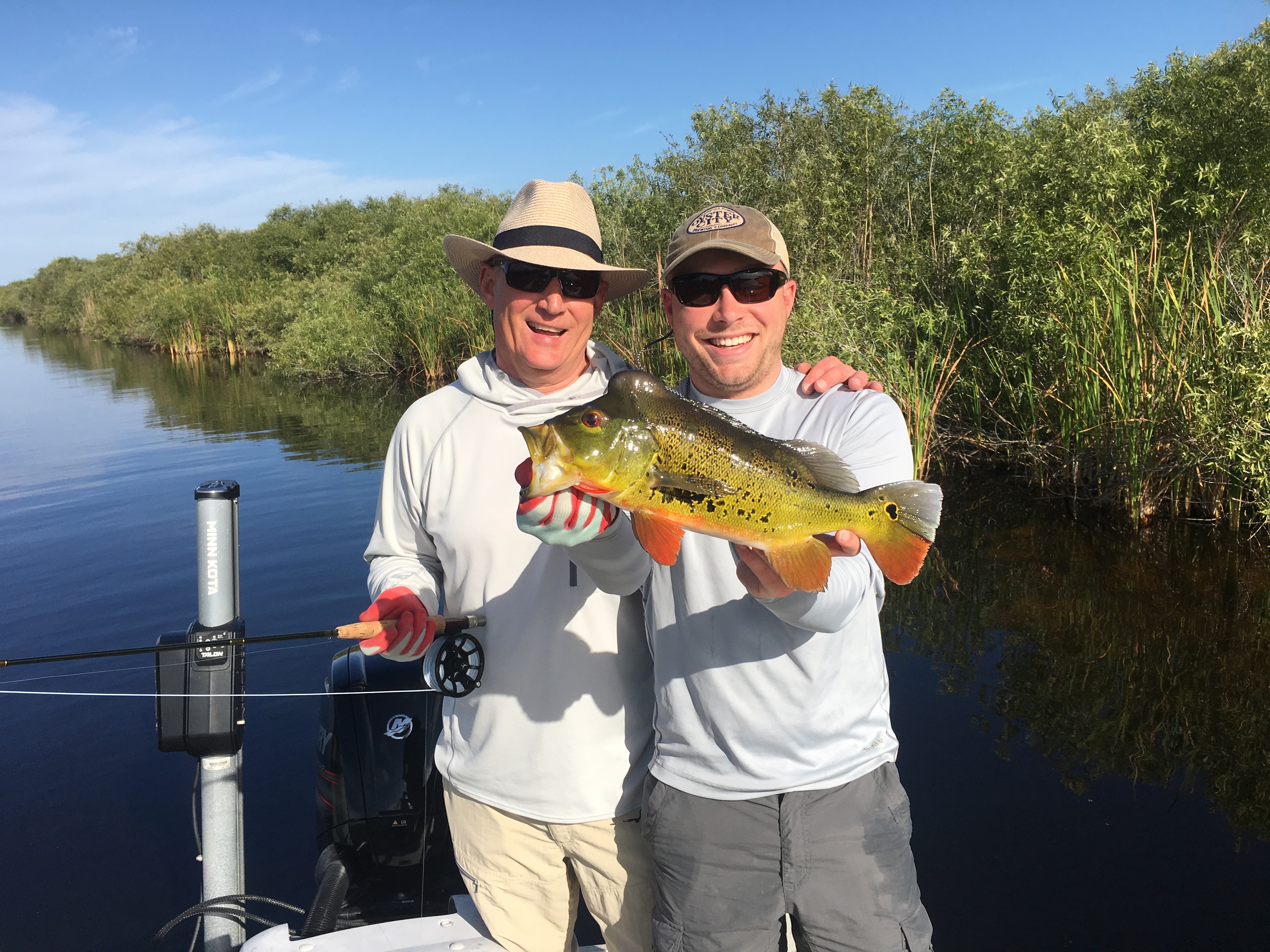
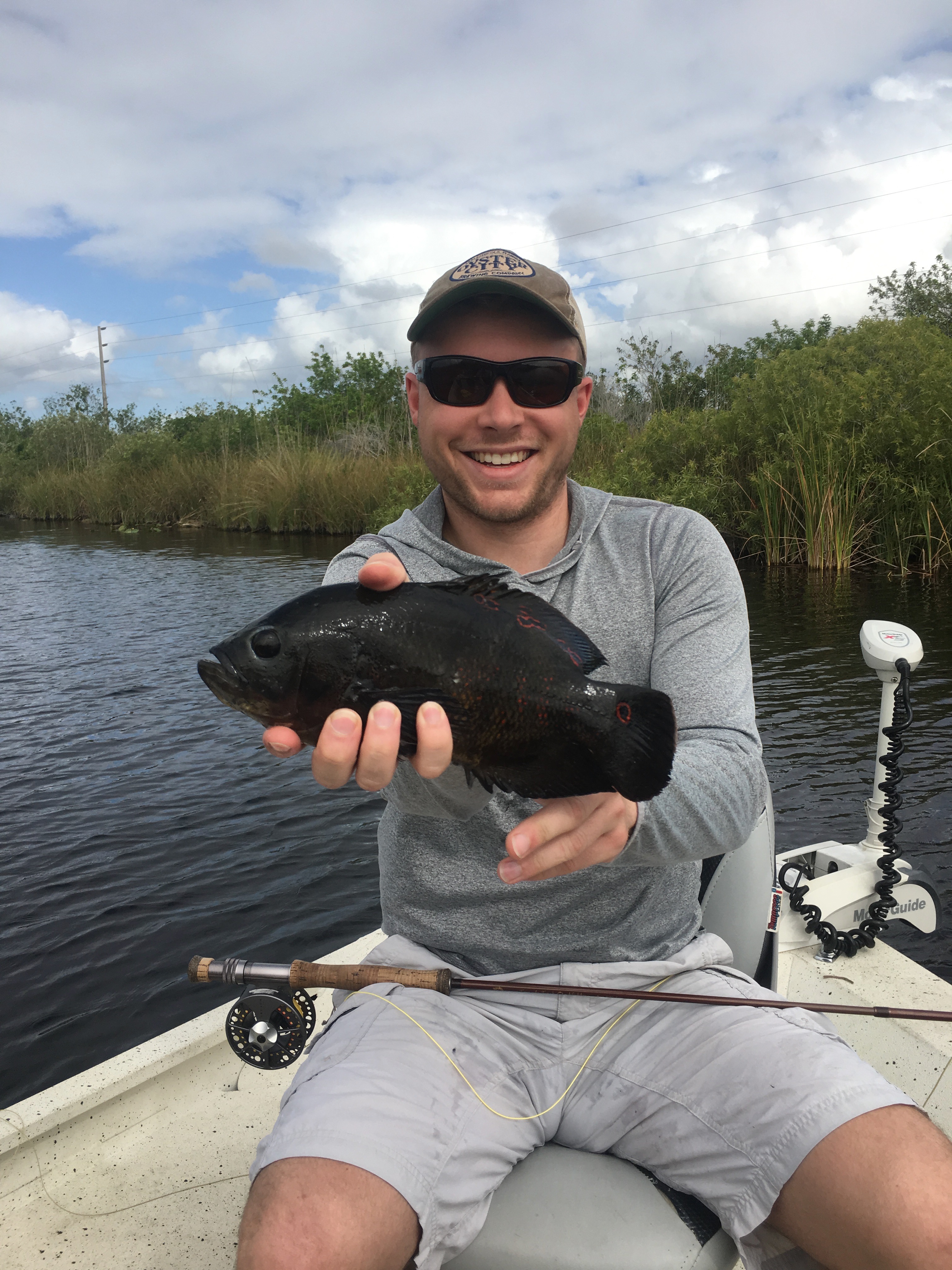
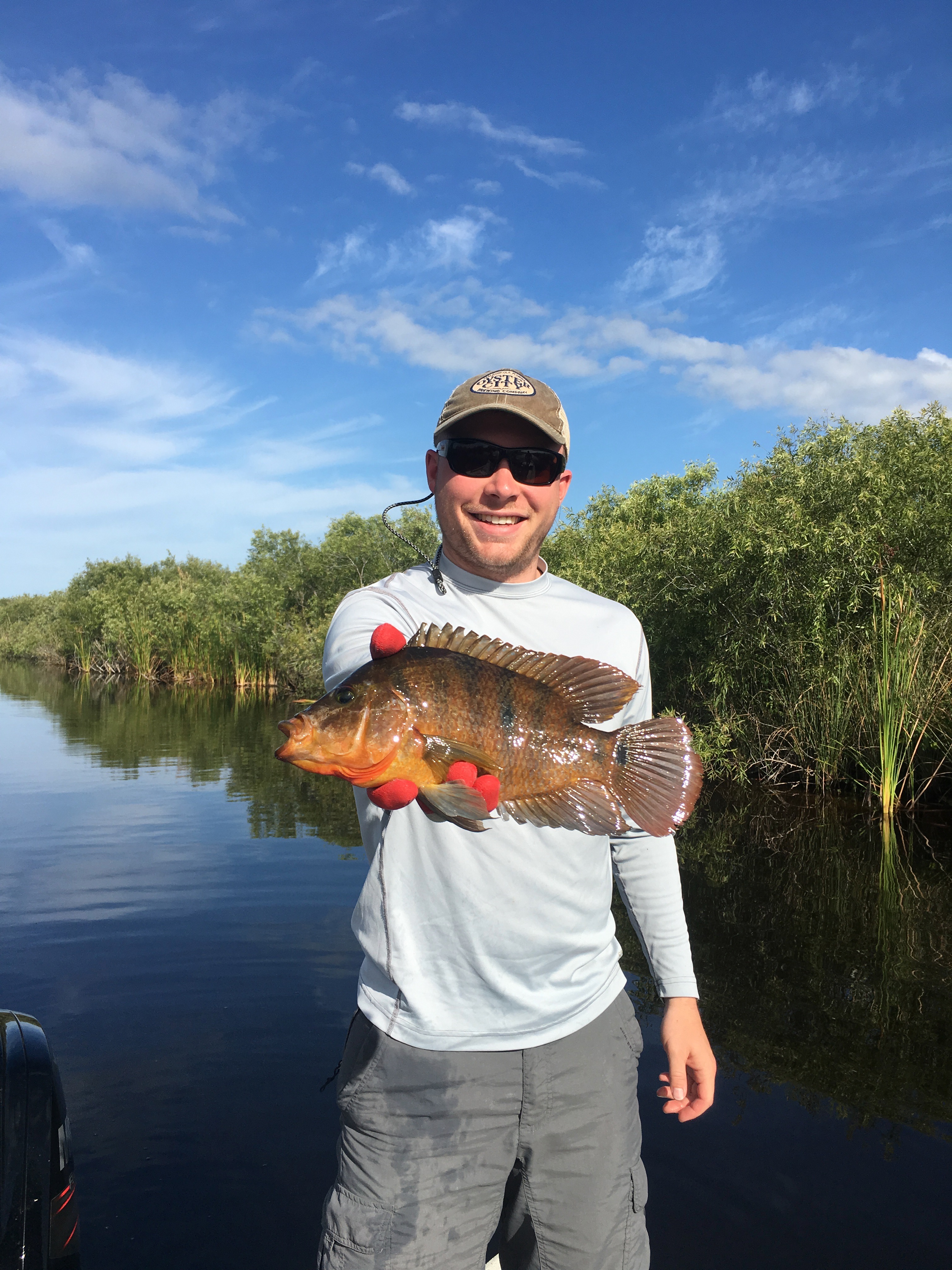
The one place I had been itching to get to in the good ol’ USA had been the Everglades. And let me tell you what, it blew away my expectations and I cannot wait to go back. With a long weekend in effect, the goal was peacock bass and other exotic species, and I’ll let the pictures speak for themselves.

We timed the trip PERFECTLY in that the peacock bass were just beginning to spawn, making them hot and aggressive! It was quite a sight to behold watching this fish post up on beds and attack a topwater or baitfish fly that landed within a foot of their home-stay. Another amazing thing was watching these fish come out of the depths to smash a fly, in that not all of the fish were in spawn mode yet. Not only was I able to catch my first peacock on a fly this trip, but these fish were of great quality. These things fight way harder than any largemouth I have ever caught, and are a truly a beautiful fish that has innovated freshwater fishing in south Florida. Way too many peacock pics to post, but below are some favorites.

FE8DA1C9-6091-4594-BD53-757938B5BD81IMG_1711IMG_1668IMG_1690

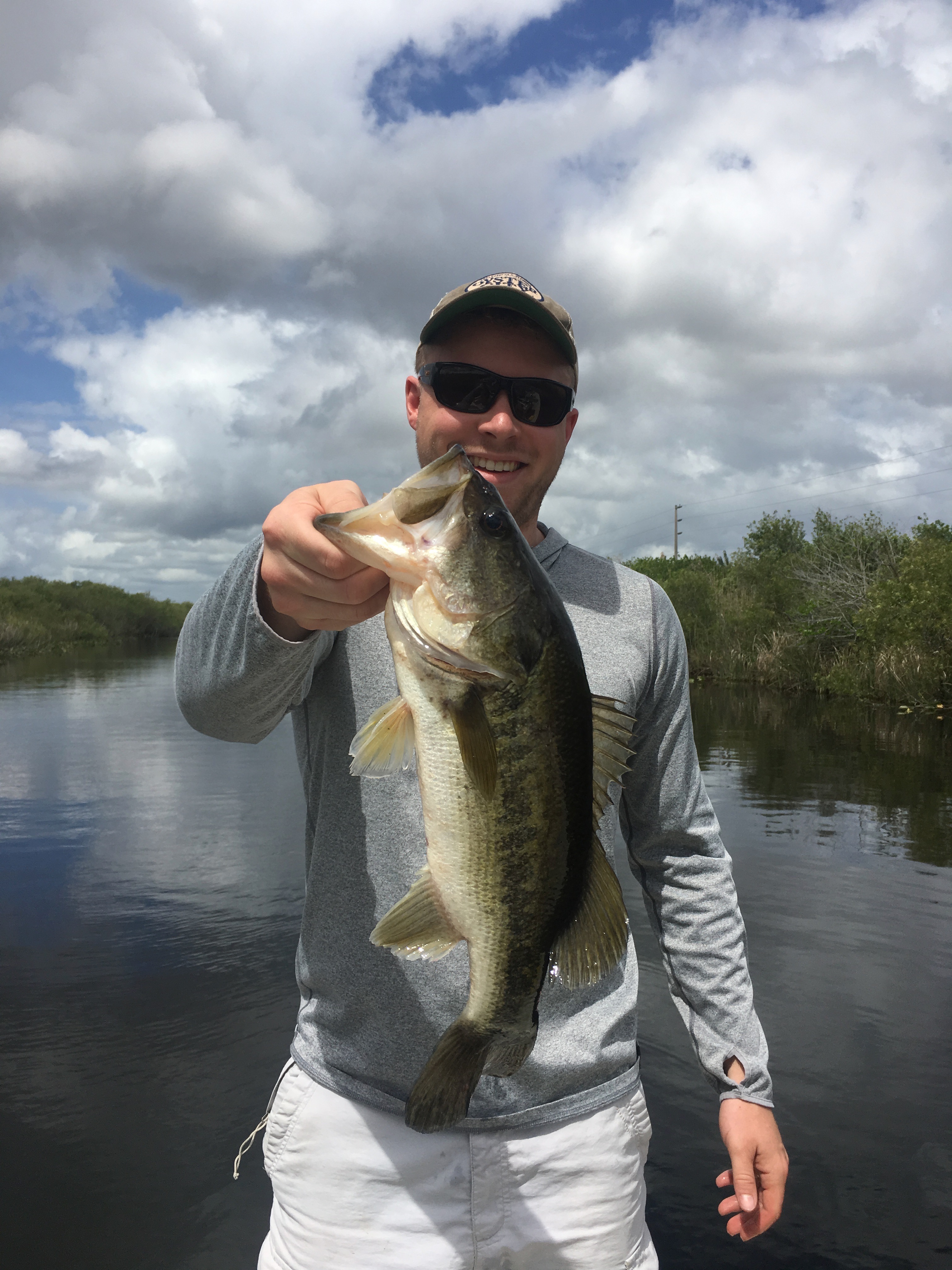
The most impressive part about the Everglades was hands down the amount of species. During this trip, we caught peacock bass, largemouth bass, warmouth, spotted sunfish, gar, oscars, and mayan cichlids. The largemouth fishing was exceptional, and wiggle minnows and topwater flies were hands down the most effective thrown right against the lily pads. In addition to this, if we wanted to catch cichlids and oscars all day, we easily could have. Many times while fishing for bass, these fish would come out of nowhere and steal the fly. At one point during the trip, we tried finding a fly that these fish wouldn’t eat, and to catch 100+ in a day on the 6-weight is something that any fly angler should enjoy. These fish are often overlooked because of their “invasive” label, but purists, relax and breathe the fresh air and give these fish a shot. Truthfully, if I lived here, I would love to catch these for a hour or two a night after work.

IMG_1643
Joe Petrow
IMG_1640IMG_1693

Needless to say, I’m planning another Everglades trip for next spring. Next time, would love to try and catch a clown knife-fish, bowfin, or snakehead in addition to all of these species. The Everglades is a special place, and you never know what you might find in these Jurassic Park type waters.
Tight lines as always,

Joe

Winter Time in Louisiana

Oh the winter time. In terms of fly fishing options, this season can keep anglers somewhat limited. Although the winter will require gloves, mad-bomber hats, and hopefully a nice hot toddy once you get off the water, this time of year can lead to some giants. Historically I have found that although the numbers of fish in the winter might not be as much in other seasons, this can be the best time of year to chase giants.

So this last winter, we headed back down to Louisiana to try and get on some beasts. With only a couple days to fish, this post is not going to be as long, but we made it happen.

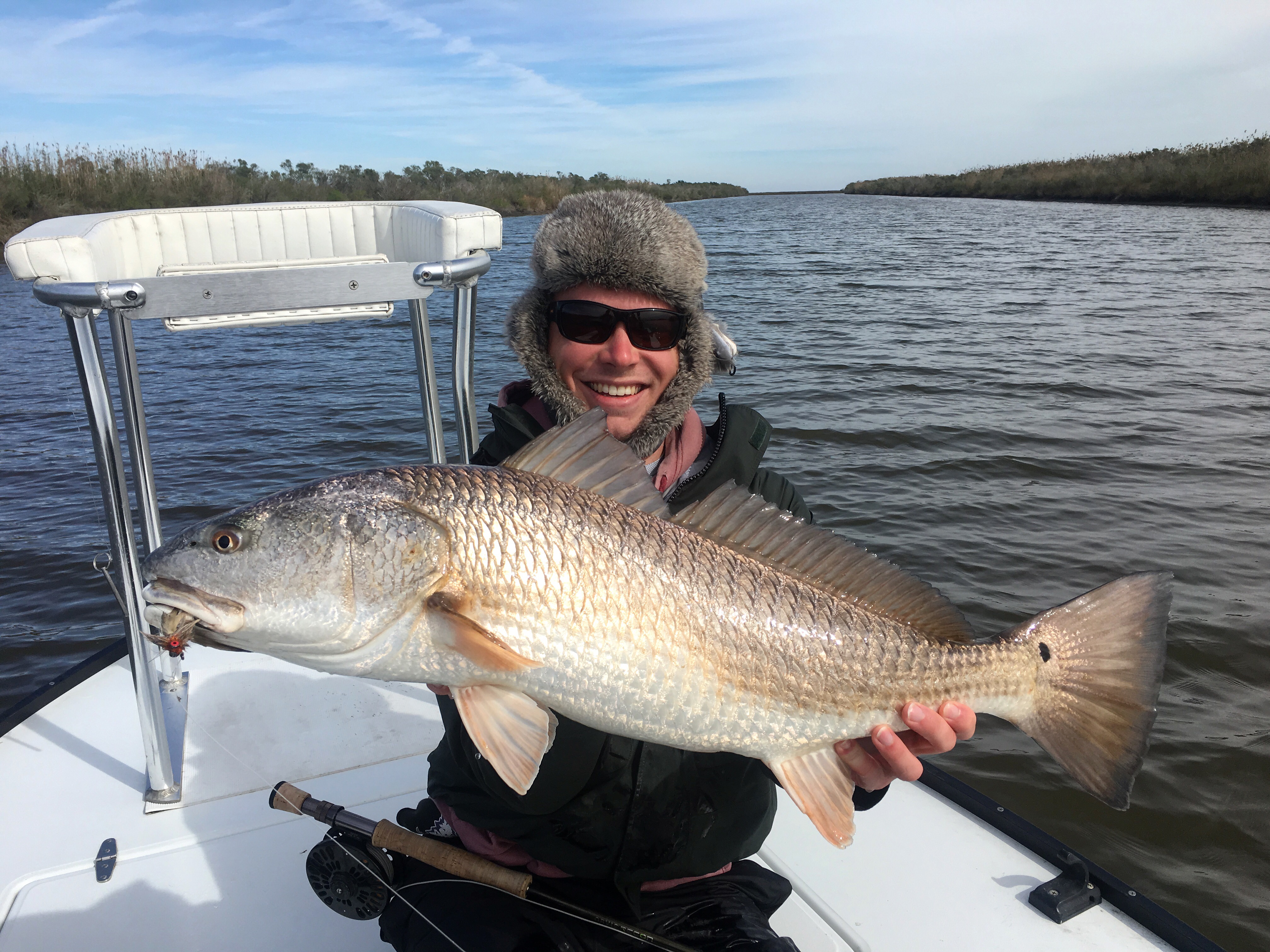
To be transparent, the fishing was more difficult than it usually is down in LA. A massive cold front kept the fish in a funky mood, and many fish were extremely sensitive to boat movement. In LA, where the water is going to be dirty year round, many of the shots you get can be 10-15 feet from the boat. Needless to say, for this trip, we had to find our fish far out and make the shots count. In addition to this, the usual colors of black/purple/gold were all struggling, and we found ourselves having to resort to natural patterns (that made it even tougher for fish to see in the dirty water).

IMG_0153
Joe Petrow

IMG_1308
Joe Petrow

Needless to say, we still managed to get it done. We managed to get a few really nice reds in the boat, and the highlight of the trip came from the largest black drum I have ever caught on fly. The fish weighed 48-pounds and was an absolute brute. Unlike any other black drum I have caught, this fish fell victim to a chartreuse and tan redfish slider that was presented right on the nose. Usually these fish like bold, dark colors that they can go find.

IMG_1305
Joe Petrow

IMG_1301
Joe Petrow

Another trip to LA in the book, and another great father-son fishing trip. Like I said, with just a couple days to fish, this post is definitely a bit shorter, but good to get back on the blog grind again. Thinking next time we head down when it is a bit warmer to avoid some of the cold!

Tight lines,

Joe


Return to the Northwoods

As I continue to fly fish, I am finding that there are certain species that are becoming more influential and special to my heart. Although in my book every fish is a good fish, certain ones get my blood pumping like no else. As many of you may already know, many of the saltwater species do this to me : tarpon, redfish, permit. However, the good ol’ muskellunge (Mr. Muskie) is a fish that I will continue to love throughout my entire life.  This year, my Dad and I headed back up to the Northwoods to go on a search for muskie, as well as fish topwater frog flies for smallmouth bass. Deciding to go in the summer, we knew that the fishing would be more challenging than usual, but as we have learned with muskie, showing up and giving it a go is 90% of the battle. As we would find out, every cast was going to matter this week, and we better be ready to go come the fourth quarter.

The first day of fishing was beautiful, perfect weather, sun out, no wind. Within 30 minutes of fishing in one of our favorite river systems, we had one eat, and life looked good. But with that being said, that would be our only eat for the day. We threw bufords, river pigs, home tied massive deceivers, and nothing. Not only was this going to be our result for Day 1, but would end up being the same story for Day 2 of fishing as well. On top of this, huge weather fronts rolled in, causing us to be off the water by noon. With attitudes still high however, all was good and we didn’t lose hope. A couple of bass at the end of the day lightened the spirit.

IMG_0506
Joe Petrow

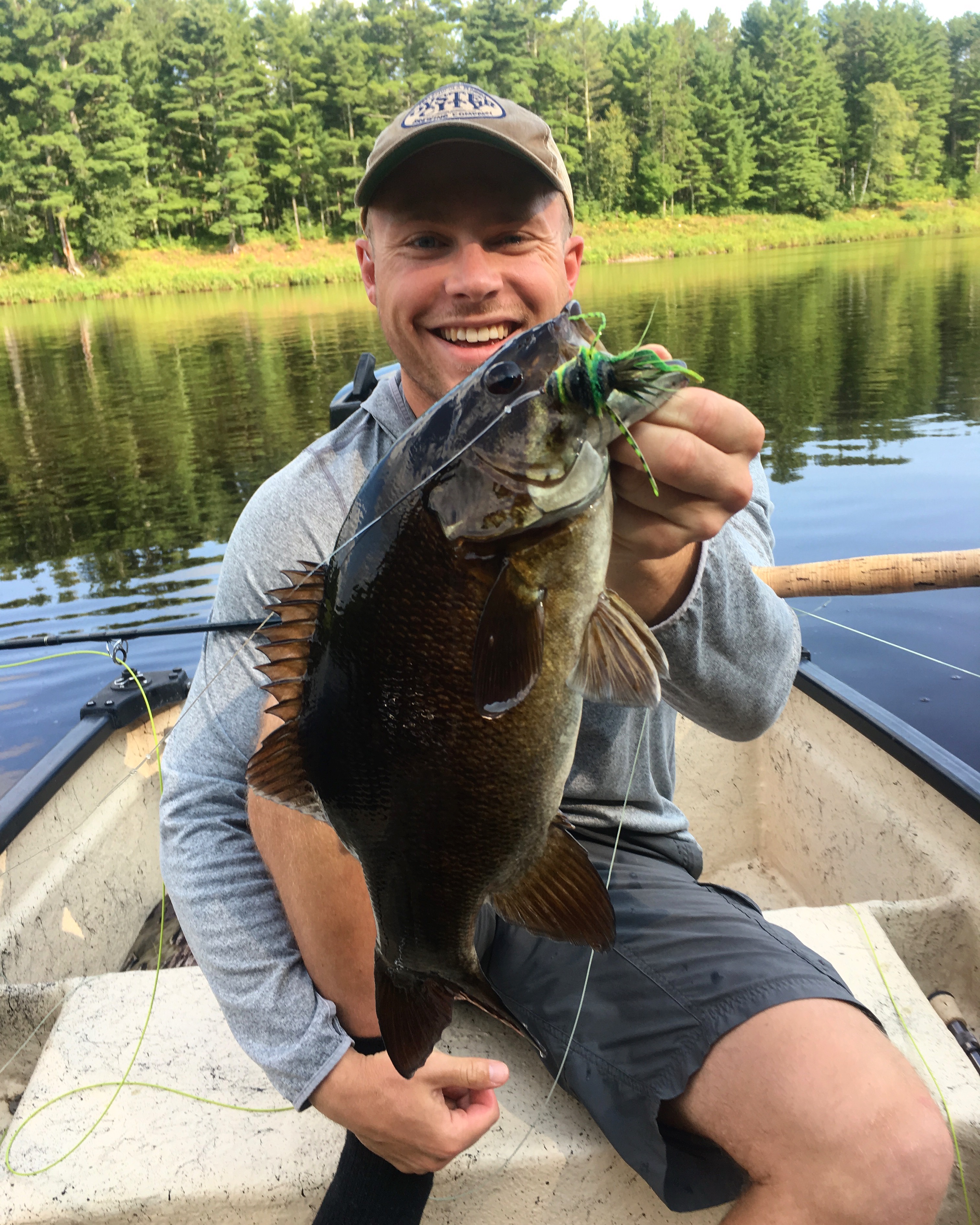
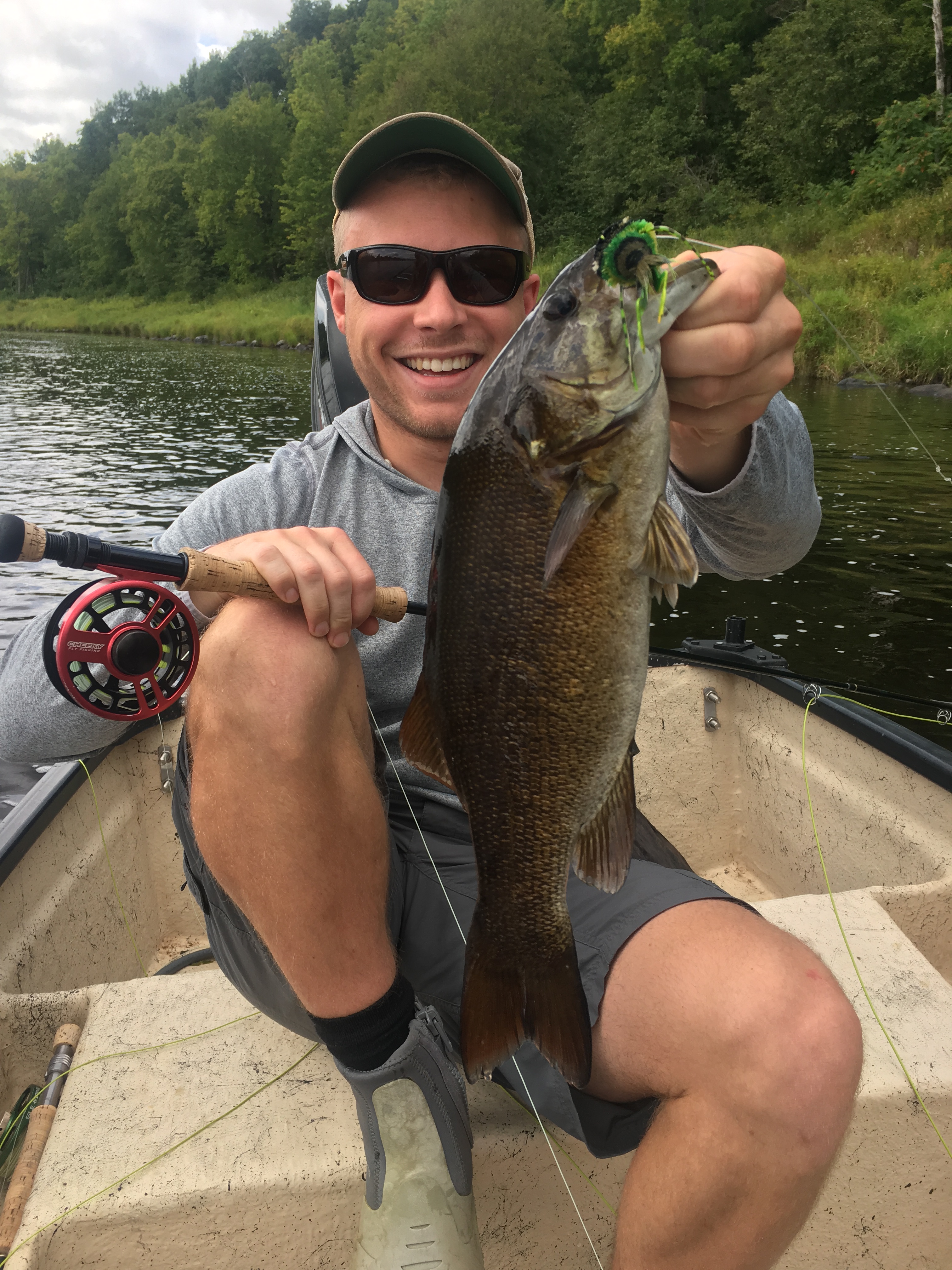
For Day 3, we decided to get some of our mojo back and go after some smallmouth bass. And man did that turn out to be a great decision, not only in that it was probably the best day of fly fishing for bass in my life, but it got our morale high. Throwing foam frogs and four-inch streamers, we had consistent action all day, and probably boated 50 bass by 2pm. Watching 3-4 pound smallmouth come up and slurp the frog like a trout would to a grasshopper was a blast, and allowed us to see some fish come to hand. One of the best things about the Northwoods is that when a mental break from the muskies are needed, the smallmouth are willing to cooperate. With the occasional pike thrown in. Later on in the day, we decided to hit up a local muskie lake and had two massive hits on a topwater fly, but they didn’t stick. However, it was enough action and life to know where we would be fishing for our final day.

IMG_0512
Joe Petrow

IMG_0498

As for Day 4, this was our final day to make something happen. Although we had three eats in the previous couple of days, nothing had stuck, and the muskies were playing the infamous hard-to-get game. After hours of fishing on the last day, I finally stuck something huge. Powerful…diving deep…ate a 10-inch red and white buford. After a few minutes of fighting, we finally saw the fish, and a huge golden flash. It was the biggest walleye I had ever seen, measured at 27 inches – the largest I have ever caught, especially on fly. Although slightly heart broken that it wasn’t a muskie, this fish was remarkable in it’s own right.

With only about two hours of sunlight left, we decided to go into a secluded two acre lake that required paddling and no motor through a very shallow stretch of a creek. The lake was small enough where we knew that it wouldn’t hold many fish, but for a large fish to get back in there, it would require effort and hunger to drive it to find new water. So we began to throw our massive flies yet again. And after about ten minutes…boom. It had happened. A nice muskie stuck. After a jump and several heads hakes, we had this beautiful fish to the net, and I let out one of the loudest yells I have ever done. Relief. Blessed, beautiful relief. This was a well earned fish, and tells the story perfectly as to never giving up and keeping the faith baby!

IMG_0540
Joe Petrow

IMG_0530
Joe Petrow

Muskie. Nothing can describe them with enough justice. All I know is that on this trip, this one fish, on day four, in the final hours, will forever be a fish I remember.

Tiger Trout Galore

Man, it has been a minute. A crazy year of work and travel has kept me from updating the blog consistently, which not only bums me out, but I am going to make a News Year Resolution to keep this update regularly. I promise with that…seriously. Watch me. With that being said, 2018 has been a fishy year, especially within the great state of Utah.

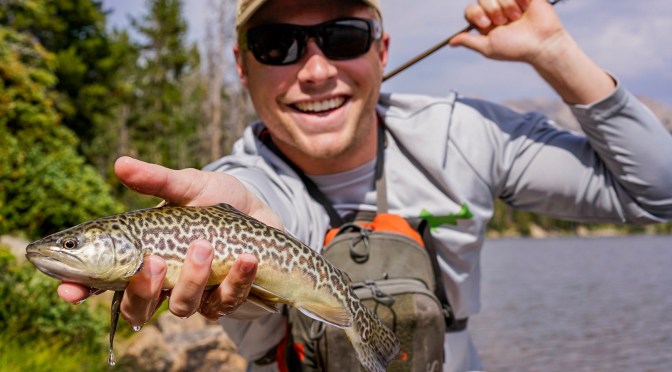
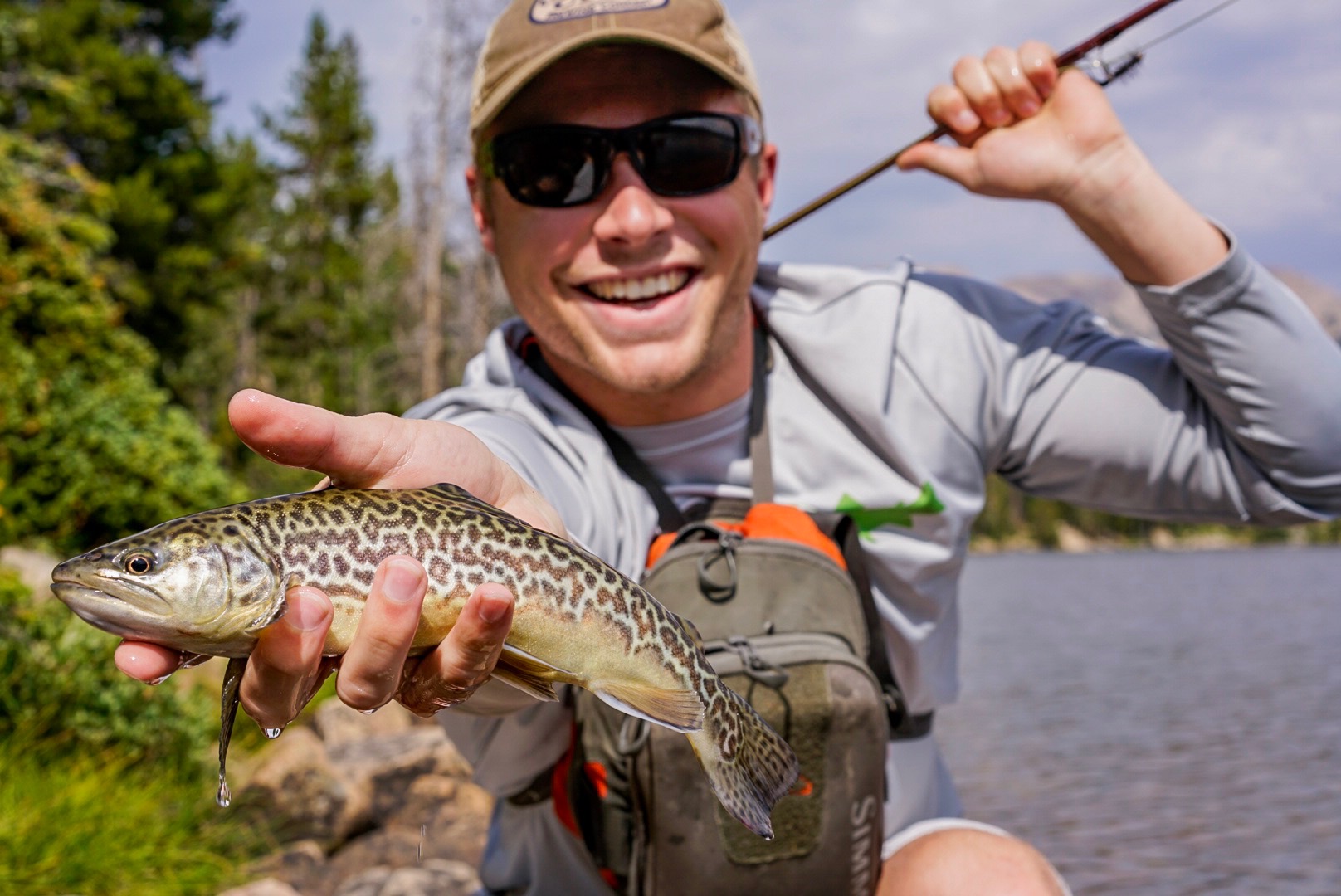
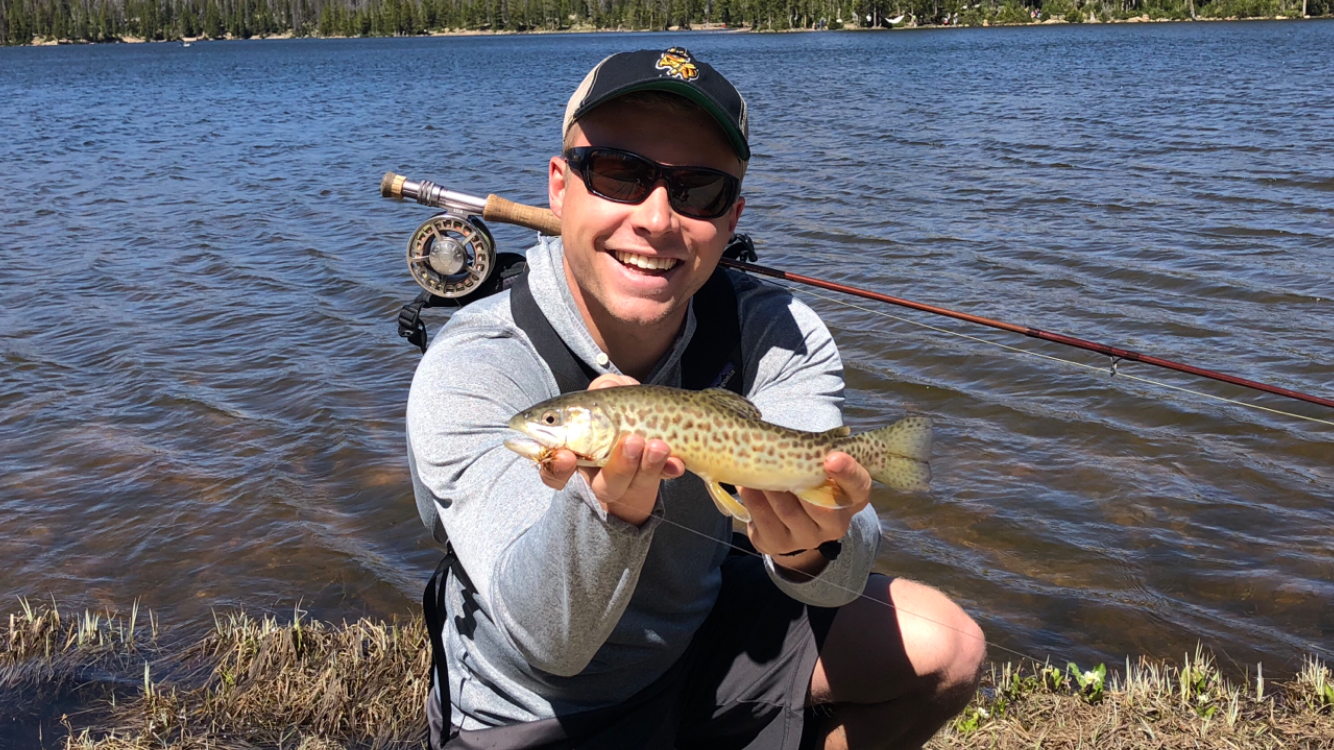
Ever since arriving in Utah, there was one fish on my radar that I wanted to learn how to catch consistently and develop an expertise with : tiger trout. Growing up in Colorado, I had maybe caught three or four tops, but Utah is famous for the high mountain lakes stocked with them.  Not only are these trout the most unique looking out there (in my opinion), but they can be ultra aggressive and put up a heck of a fight. Being a cross between a brook trout and a brown trout, it is evident that this fish is a one of a kind not only through the markings, but through the behavior as well.

IMG_0450
Joe Petrow

My favorite way to target and catch these fish is on streamers. Hand-tied wooly buggers are a must (the best colors being black on black with gold flash, or white with a gold body – olive green can also produce in ultra clear water), and watching these fish chase down a streamer in a crystal clear high mountain lake is a sight to behold. I also find that they are most aggressive towards streamers as the day goes on, while looking for late afternoon and early morning bug hatches is more productive. With that being said, another great way to catch tigers is by fishing foam beetles or ants during any kind of a hatch. Doing some slight twitches not only gets their attention, but gets them keyed in on a larger prey item than a typical fly on the water.

In terms of retrieves, I usually find the faster the better for Tiger Trout. Being predatory in nature, these fish love to chase, and I find that the faster the streamer moves for them, the less time they have to investigate. With this being said, I am a believer in starting with fast retrieves, then adjusting if the fish aren’t seeming to catch up in time. I have also found that throwing bigger streamers helps to focus more on tigers rather than other species, in that they often live with rainbow and brook trout as well.

IMG_0448

IMG_9977

Although tiger trout do inhabit creek and river systems, in Utah, I have found that lakes are the best way to find good numbers of fish. With the fall being the best time to fish, not only is the scenery beyond unbelievable, but it is a perfect way to get out there before the big winter season comes full throttle. With that being said, I was very fortunate to have several solid outings before snow and the cold weather came this year.

IMG_0445

SGI 2018

For our major saltwater trip this year, we decided to head back to one of our all-time favorite family/fishing vacations : St. George Island. The summer time in SGI and Apalachicola is known for the migratory tarpon run, and we were hoping to get in on the mix. With massive storms in the area, and with fishing being tough thus far in the summer, the expectations were not set for huge numbers of fish, but we did hope to have a chance to hook into a big tarpon or two.

The tarpon played hard to get. Having fished three days for them, we did not get any eats, or hookups until the last day. To be honest, we probably only had two legitimate shots during our fishing periods. But on the last day, in the last hour (this seems to be a trend from the year), we were able to make it happen.

Deciding to call it quits on tarpon, we took the 9-weight fly rods out and decided to go pound on redfish and ladyfish on a gulf side of the island. Upon arriving at a boiling school of fish, we caught mackerel, ladyfish, and trout cast after cast. All of a sudden I looked to my left, and saw a huge shape in the water…a massive tarpon. I threw a perfect cast one foot in front of the fish, stripped the gold flash bunny I was fishing twice quick, and BOOM. Fish on. Finally.

The tarpon took off way into the gulf, and we fought the fish for roughly 30-minutes. Only using a 9-weight, we knew we weren’t going to be able to get this 150 pound fish into the boat, but we were able to enjoy the fight and get a leader touch to count the fish as caught. Unfortunately did not have many photo opps, but my best friend Jackson was able to get some solid footage of a jump.

Although these fish can be beyond difficult, and it doesn’t always end in a picture perfect moment, this trip was a blast, and teaches the lesson as to always being prepared for the unexpected.


Drum Roll Please…

And that’s a wrap. Another year of fly fishing, growing, and experiencing this sweet life in the books. Not only was this a big year in regards to fishing, but 2017 was possibly the best year of my life so far and I have much to be grateful for.

For the last trip of 2017, my family and I went back down to our home away from home when it comes to being on the beach and fishing: St. George Island, FL. The winter can be a difficult time to fish here due to the wind and colder weather, and in the past we have found it to be very hit or miss. This year not only did we have a plethora of rain and overcast skies present, but we also had to deal with the first major cold front of the winter. Although this made the fishing challenging during the week, we still made it happen, especially on the last day of giving it a go.

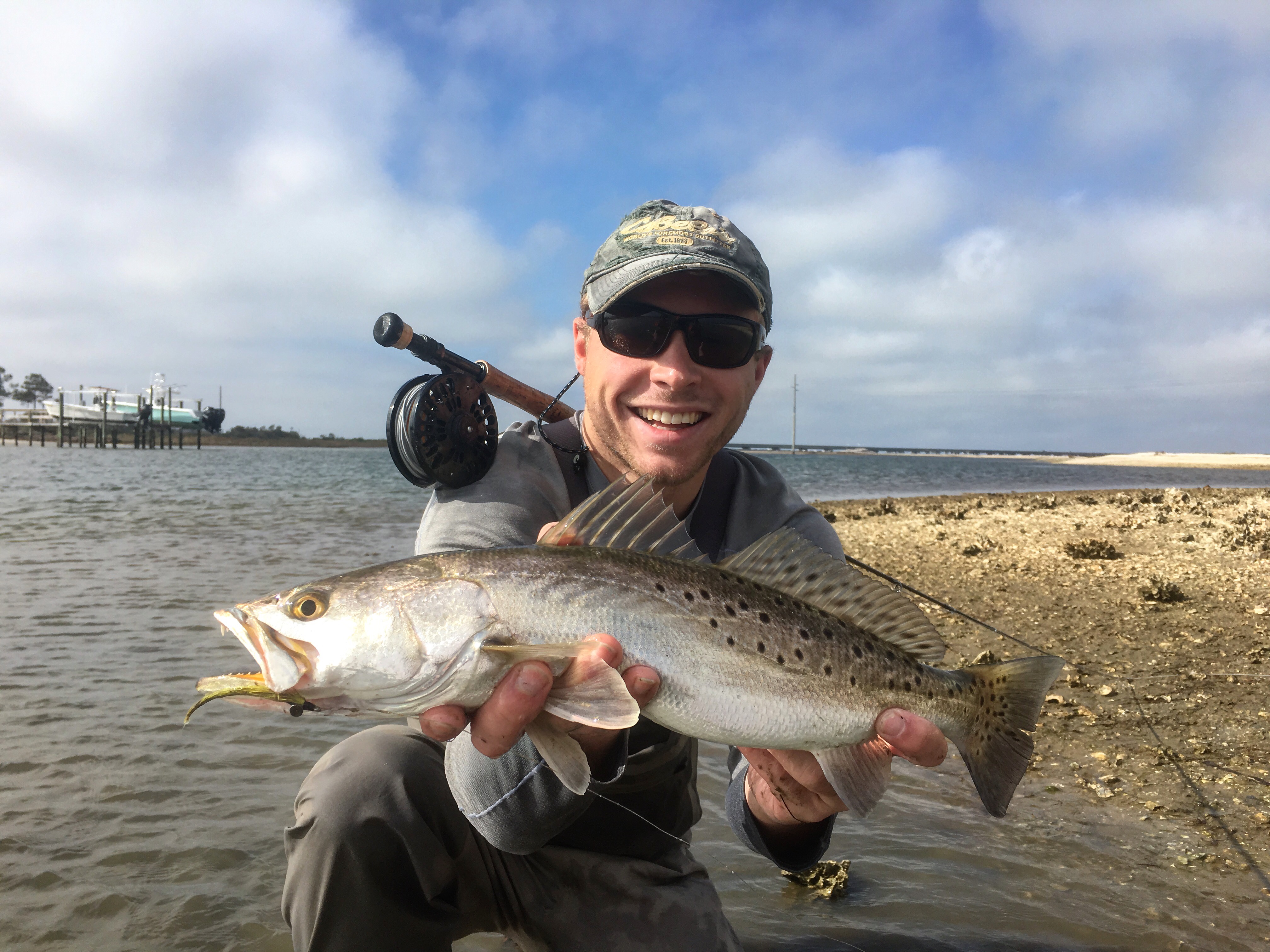
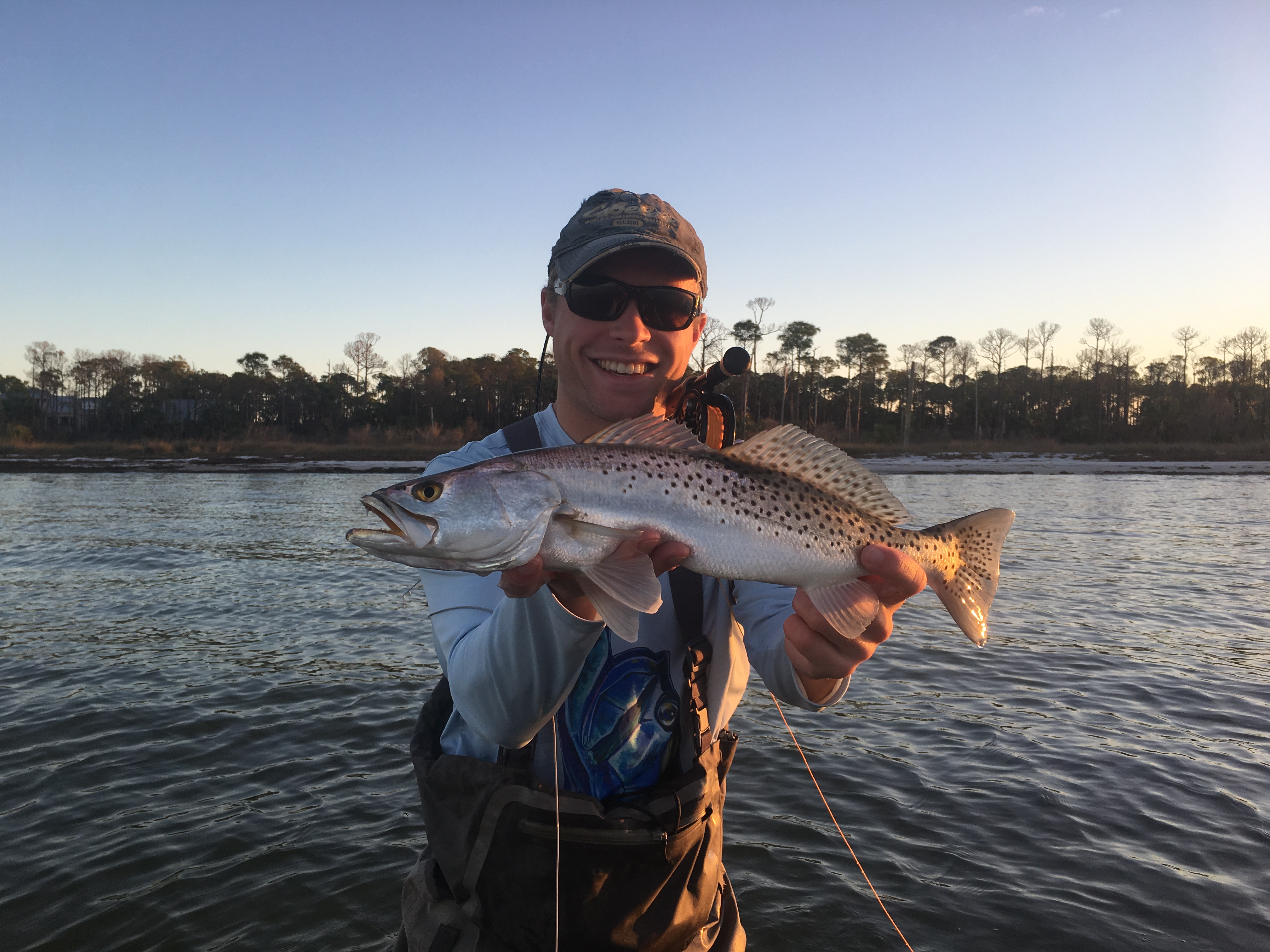
Winter in Florida is an ideal time to catch large speckled-trout on the flats. Not only will these fish school up in deep troughs by oyster bars, but large “gator” trout will go out on their own and begin to hunt the flats like redfish. Throughout the week, speckled trout were our most consistent option. With a variety of clouser minows and baitfish patterns in the fly box, we landed several trout in the 23-28 inch slot, and this provided constant action throughout the week.

IMG_9151
Joe Petrow – Speckled Trout

IMG_9169
Joe Petrow – Speckled Trout

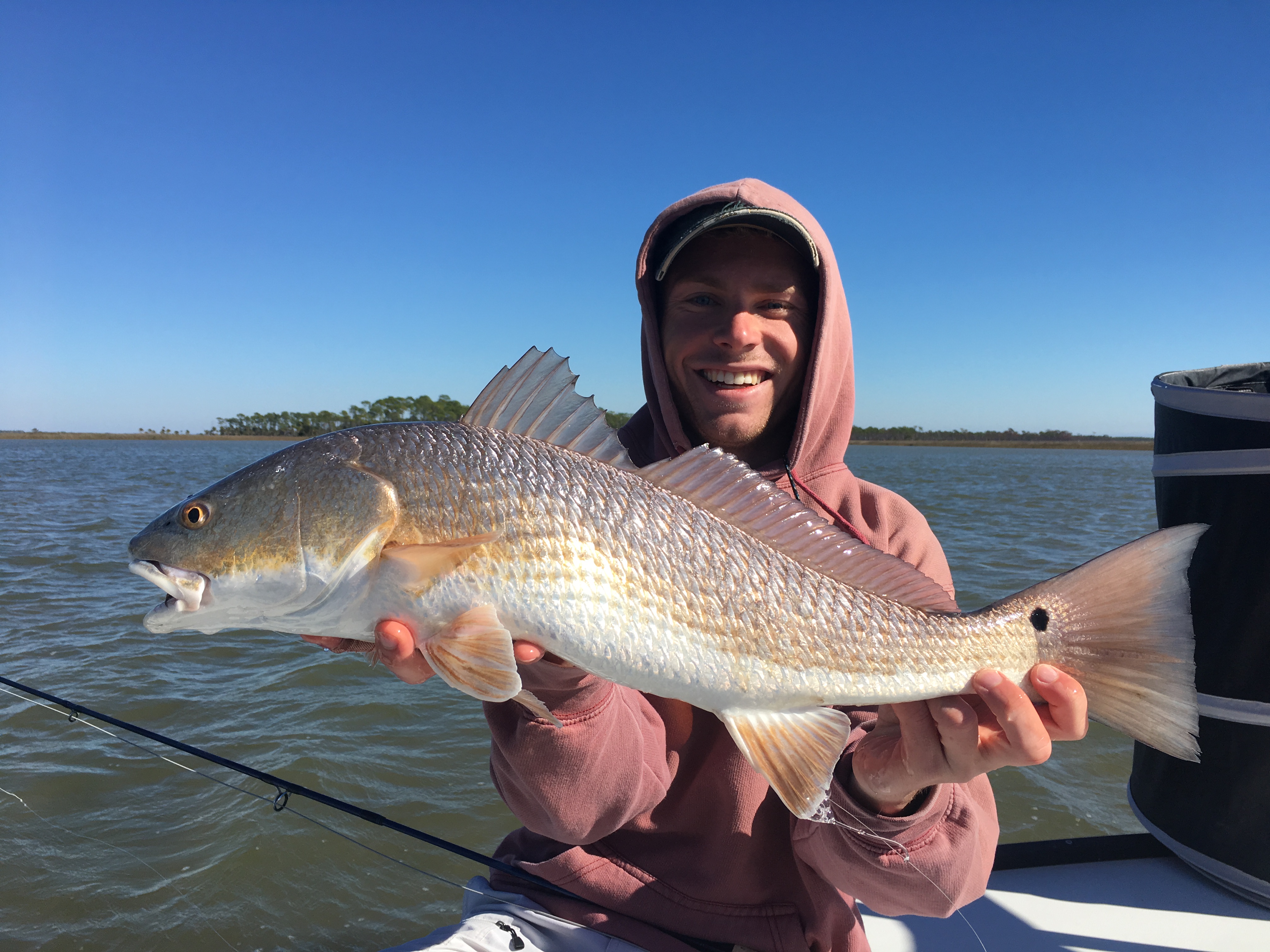
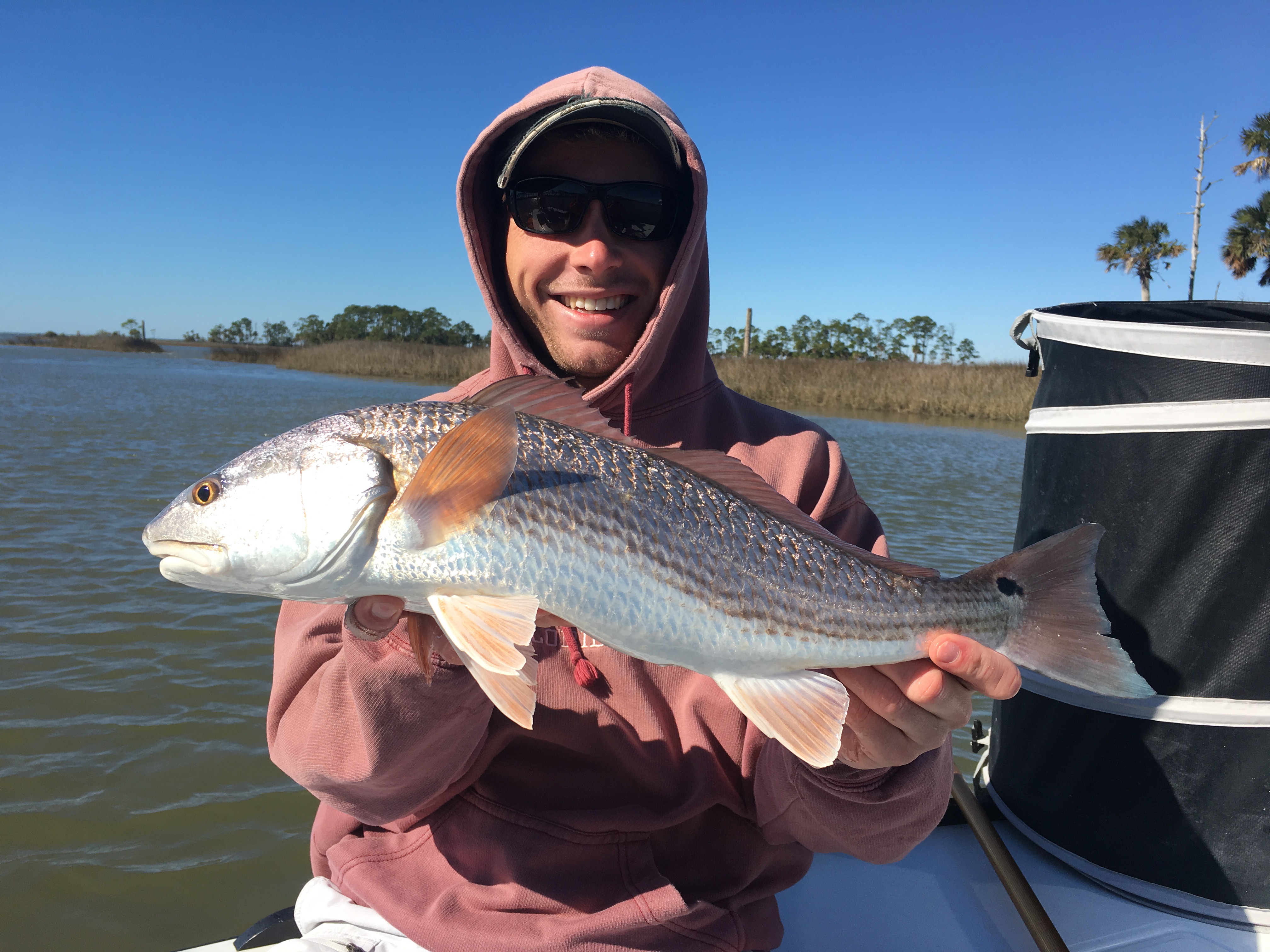
As for the redfish, we found that not many were pushed in on the flats. Whether this was due to the cold front or the poorly timed tides, we were not seeing the number of fish we are accustomed to. Thus, on our last day of fishing, we decided to get in the flats boat and venture to the back country marsh to see if these fish were trying to find warmer areas to lay up in the sun. With a warm day presenting itself, bait was moving everywhere, and we were beginning to see redfish show up. Throwing a larger sized natural-colored slider, we boated about ten redfish and the fish were extremely eager to eat. Fast strips, fish coming on top of flies, as always it was an exhilarating sight to behold! One redfish in particular noticed the fly as soon as it hit the water and the take was as if it was hitting a topwater.

IMG_9194
Joe Petrow – Redfish

IMG_9198
Joe Petrow – Redfish

IMG_9200
Joe Petrow – Redfish

IMG_9219
Joe Petrow – Redfish

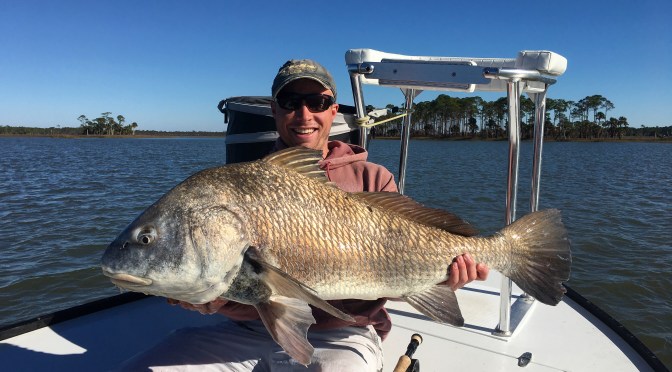
However, the highlight of the trip consisted of catching a species that has been on my fly fishing bucket list for quite some time: black drum. After catching a great number of redfish, we were pulling down a flat and noticed a big, broom tail flapping out of the water. Having seen black drum multiple times in these back marshes we knew it was a black drum and got into position. After a throw right in front of the fish’s head, we immediately saw the fish react and go tail up even more so. After a few slow strips, the fish turned 180 degrees, flared its gills, and the fly line went tight. Fish on!

Using only 12-pound test, I had to be extremely cautious with this fish in that it dogged like no other and is known for having large, sharp scales. After turning the fish and grabbing it boat side, we got a couple of great pictures and a quick weigh on the scale – 35 pounds. A true beast, especially for my first black drum on the fly ever!

IMG_9206
Joe Petrow – Black Drum

After a couple of minutes of gathering the excitement and looking through the photos, we looked up ahead and saw another massive tail out of the water. Another large, black drum feeding on a shallow oyster bar. After a beautiful 60-foot throw to the fish, the fish seemed disinterested and started to slowly move away. We pulled up closer and closer until finally I basically hit the fish on the top of the head with my fly; this got his attention. He fully tailed on the fly and ate it immediately. After another 15-minute we got this fish in, weighing 34 pounds. Unreal. We just caught two 30+ pounders on the fly in less than half a hour.

IMG_9234
Joe Petrow – Black Drum

I couldn’t have asked for a better fishing day to take in the New Year. A week of fly fishing and spending time with my family always makes me realize how thankful I should be for this life that surrounds me, and I cannot wait to see what 2018 has in store.

As always, tight lines and best wishes for the New Year.

Joe