As my second year of college comes to an end, it is crazy for me to think about how fast time flies. Whether it be from studying, internships, or family time, it seems that every semester is getting shorter and that everything is changing at an unbelievable pace. However, there is one thing that remains constant: fishing with my best friend and dad every summer.
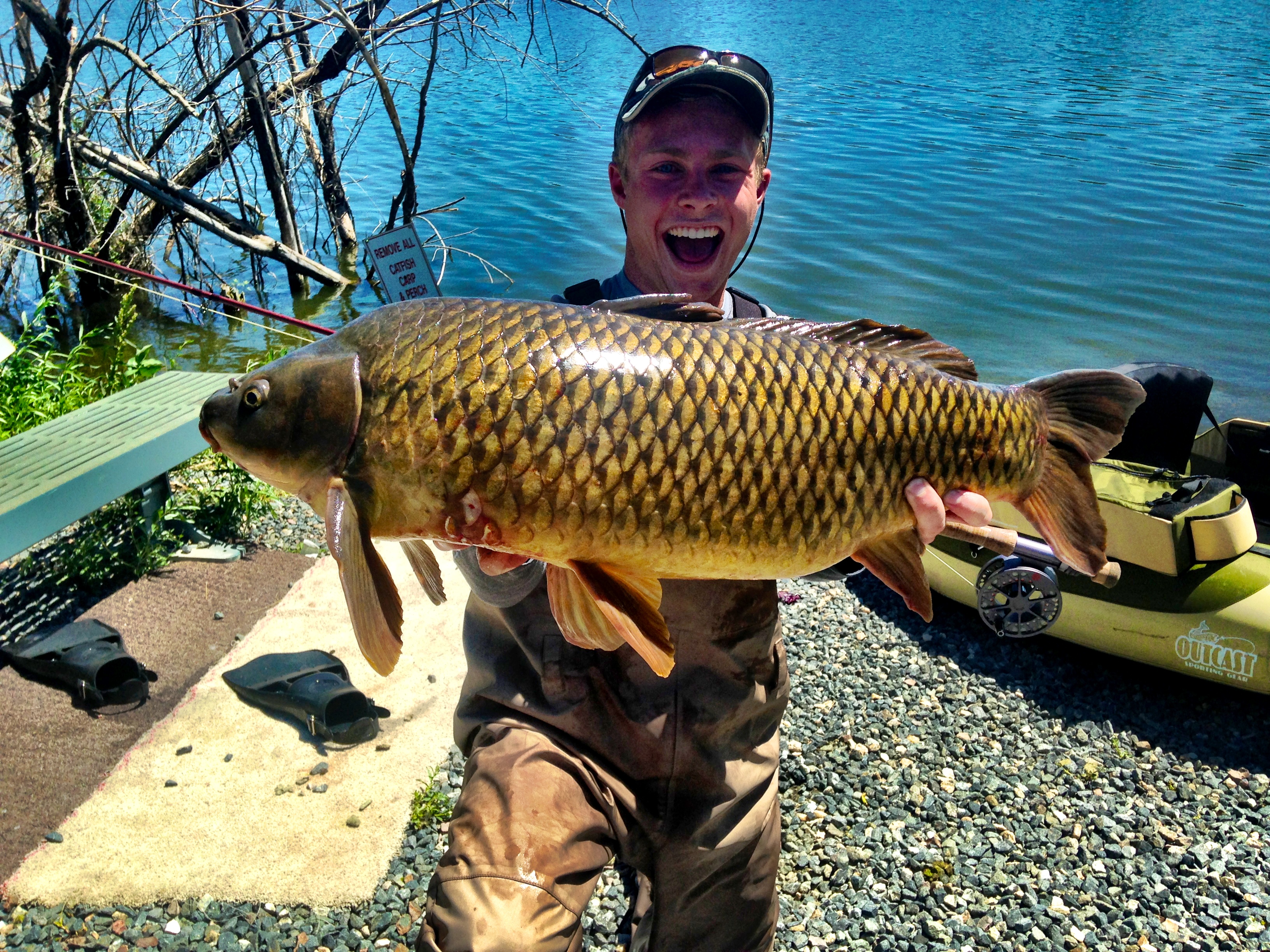
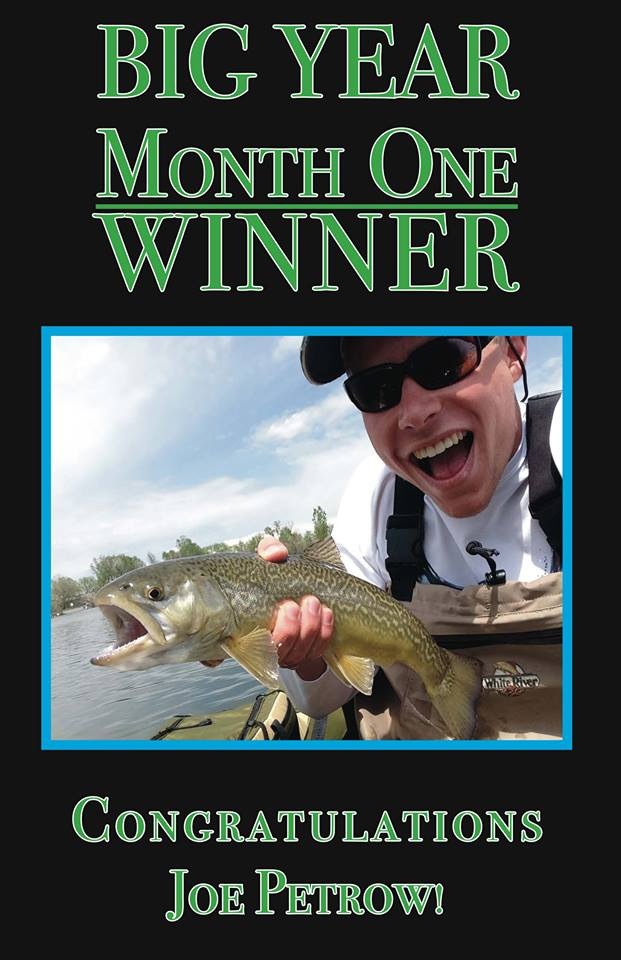
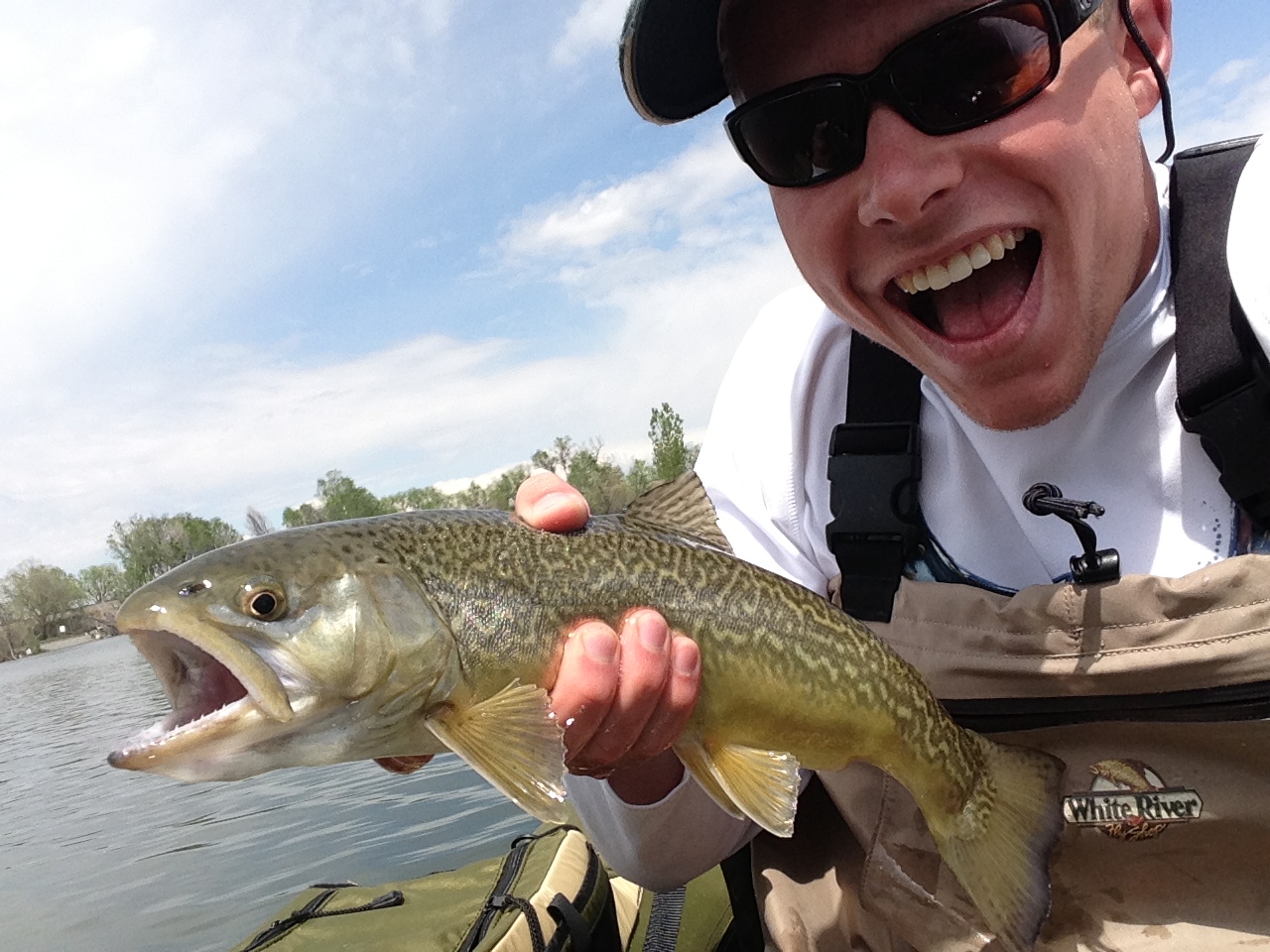
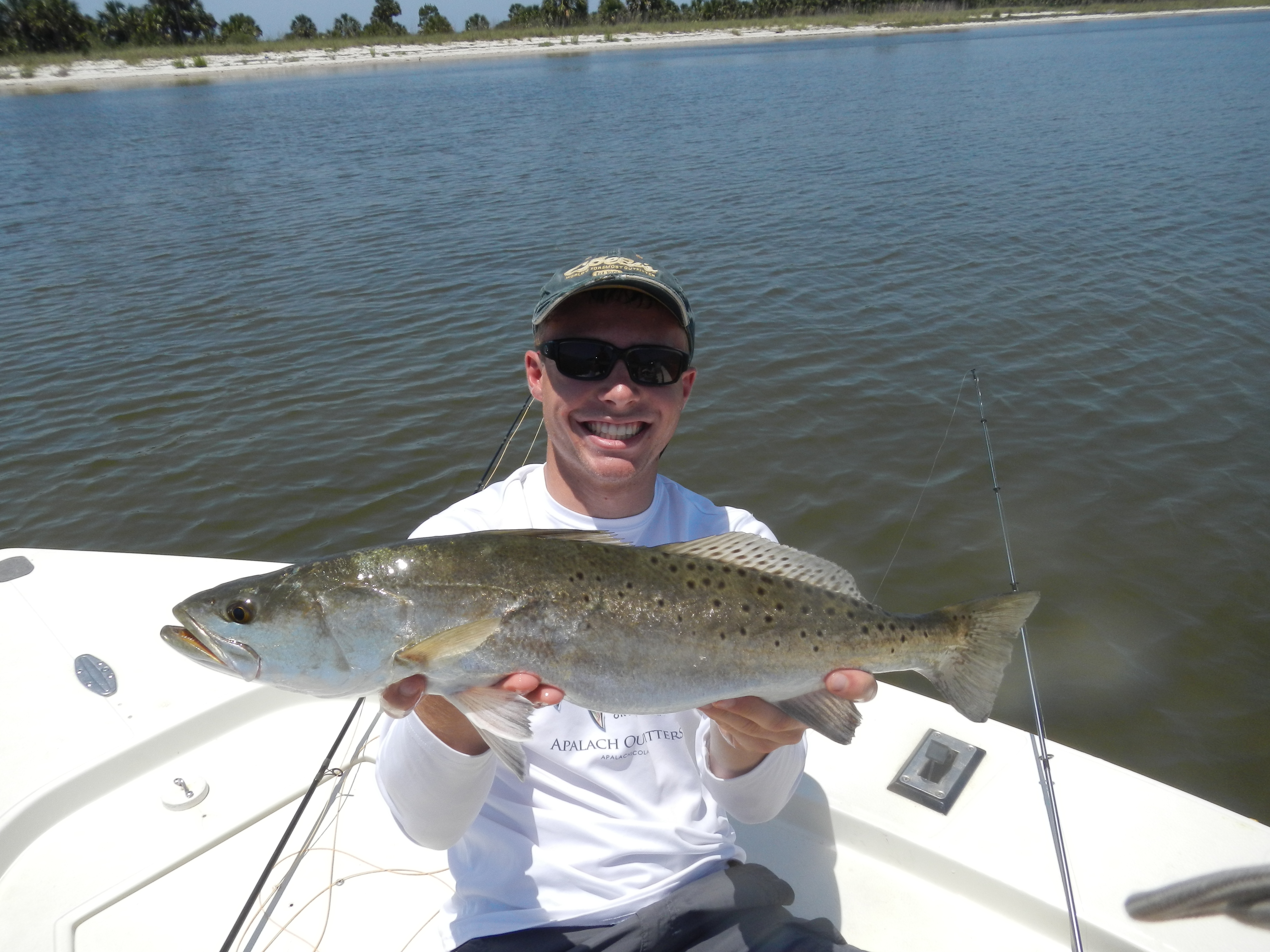
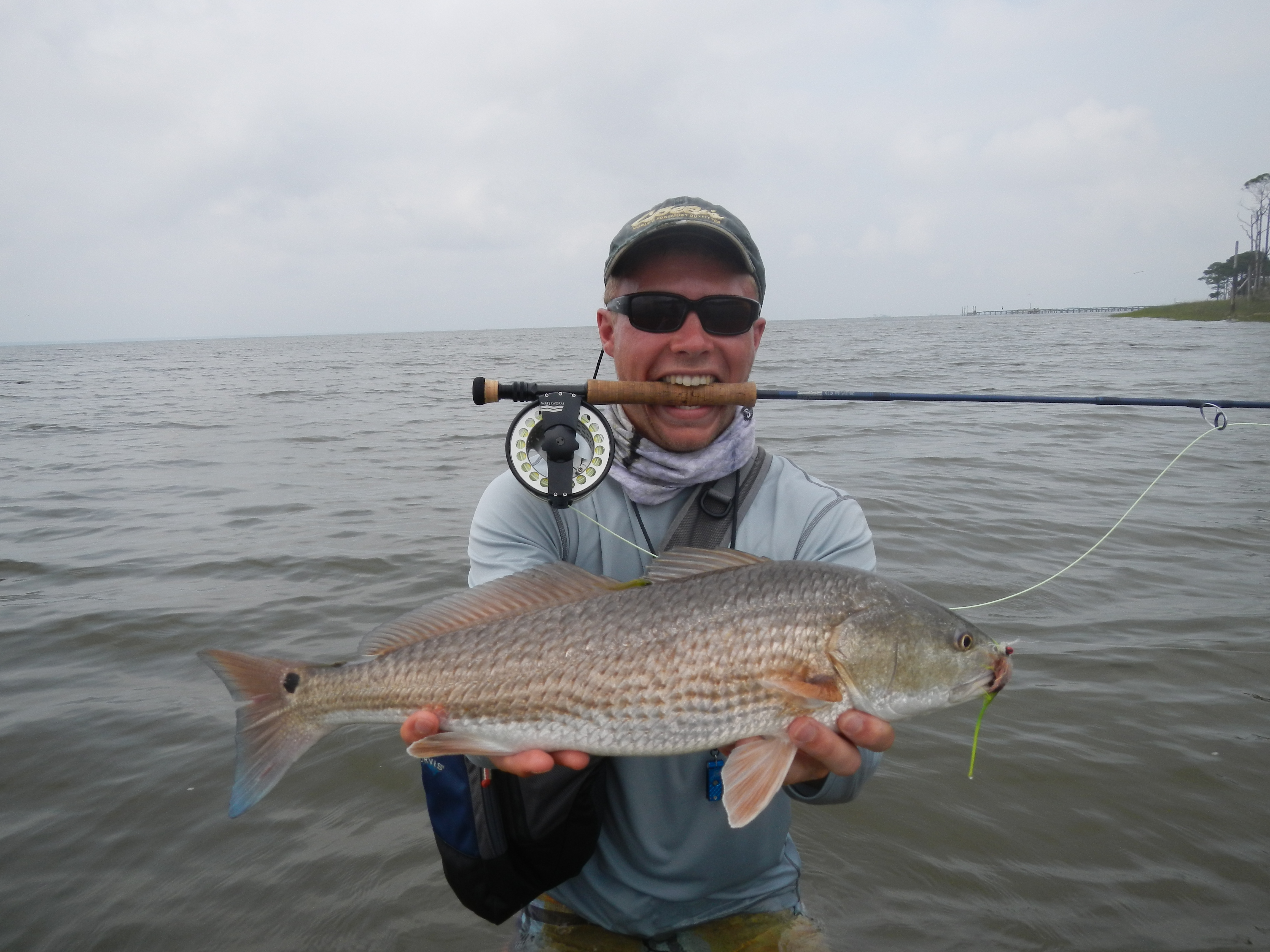
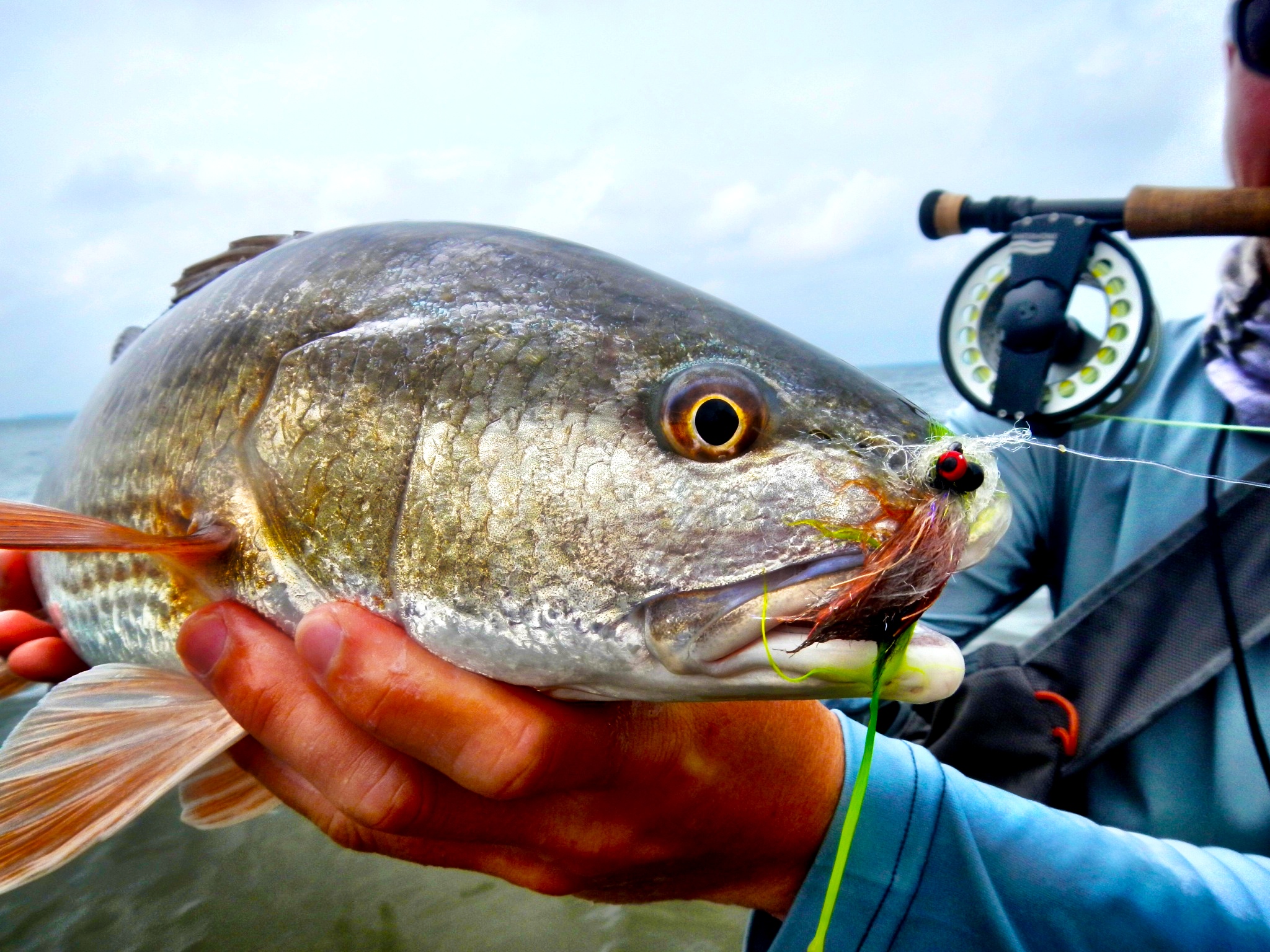
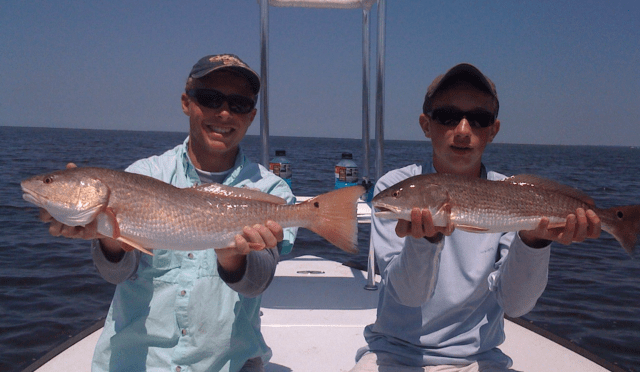
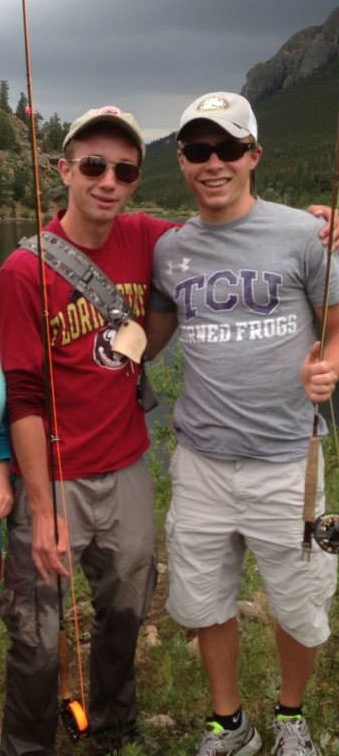
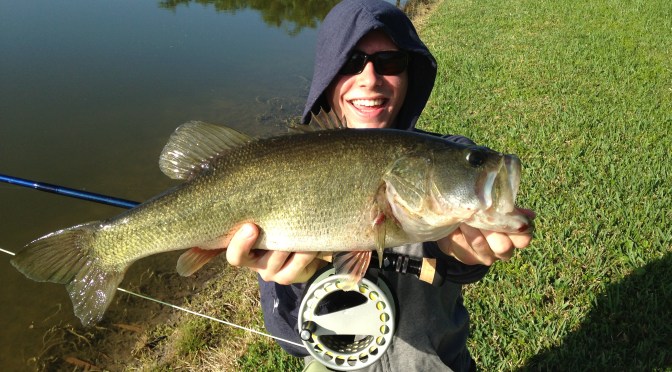
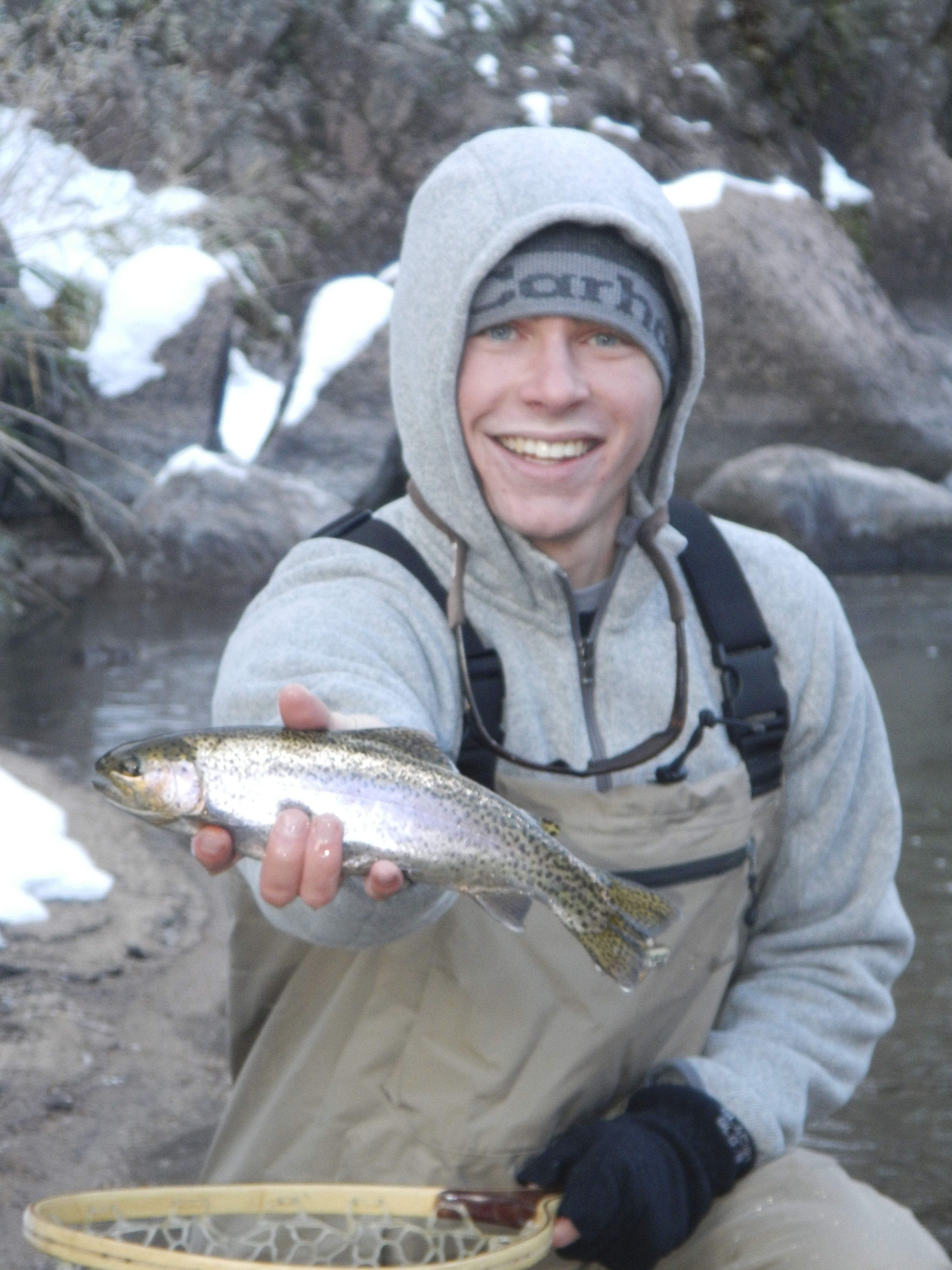
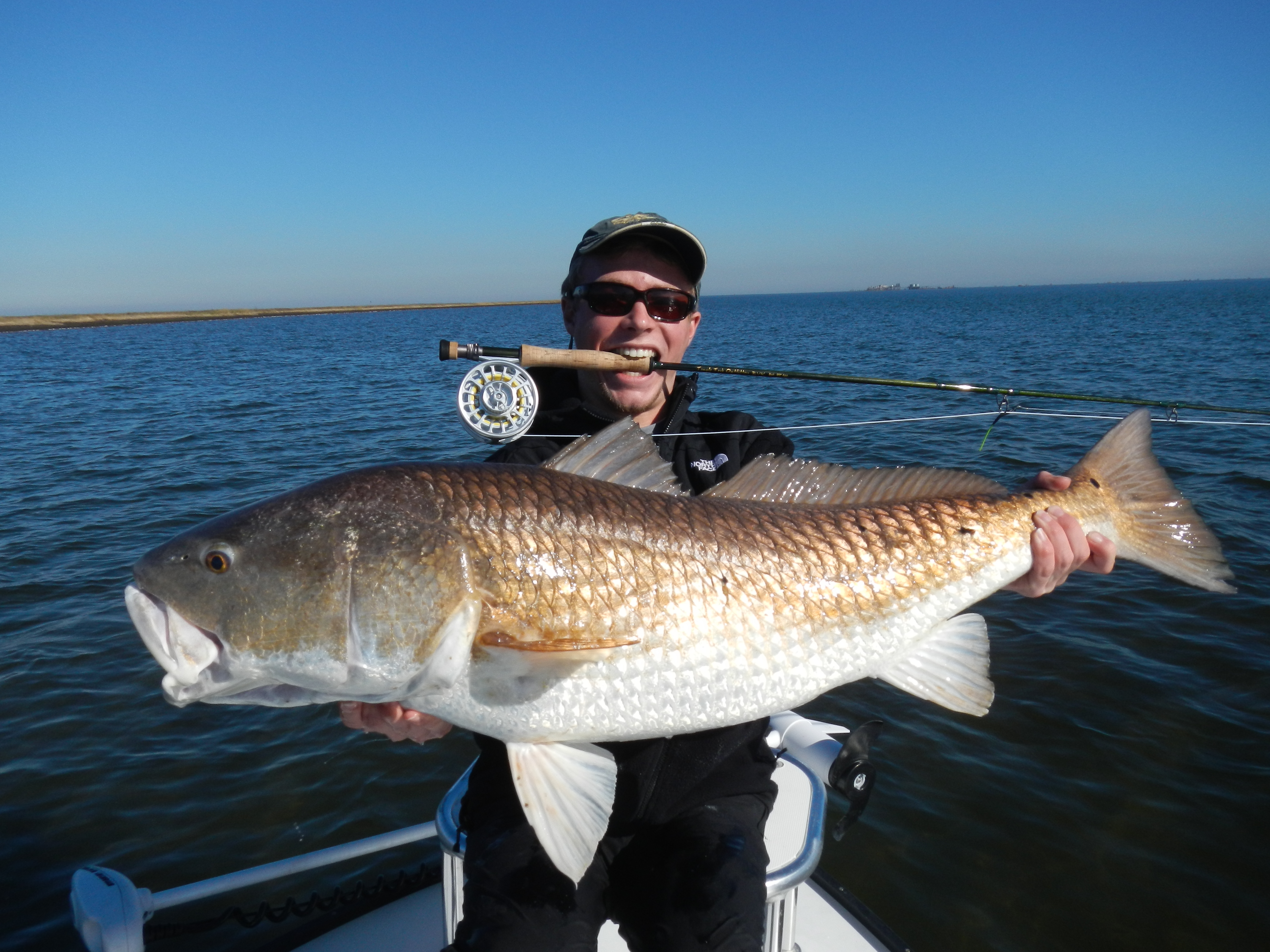
This year, beginning on April 26th (exactly two weeks away), my best friend Jackson Burns and I are going to be competing in the “Big Year” that the Drake Fly Fisherman magazine is sponsoring this year. The contest, in essence, is pretty straightforward: to catch as many different species on the fly rod as you can within a year. The requirements are basic as well, in that all you need for verification is a picture of you with the fish, and the fly rod somewhere in the picture as well. Jackson and I are going to travel together to the same waters in pursuit of as many species as possible, and we are going to fly fish with each other in hopes that we both individually catch the species we are looking for. Through friendships come fun, and together we can help each other each catch the fish we are looking for. Although our Big Year lists may not exactly be equal at the end of the year due to geographical and school reasons, we are in this together as a team and will do everything we can to help the other catch the next species on the list!
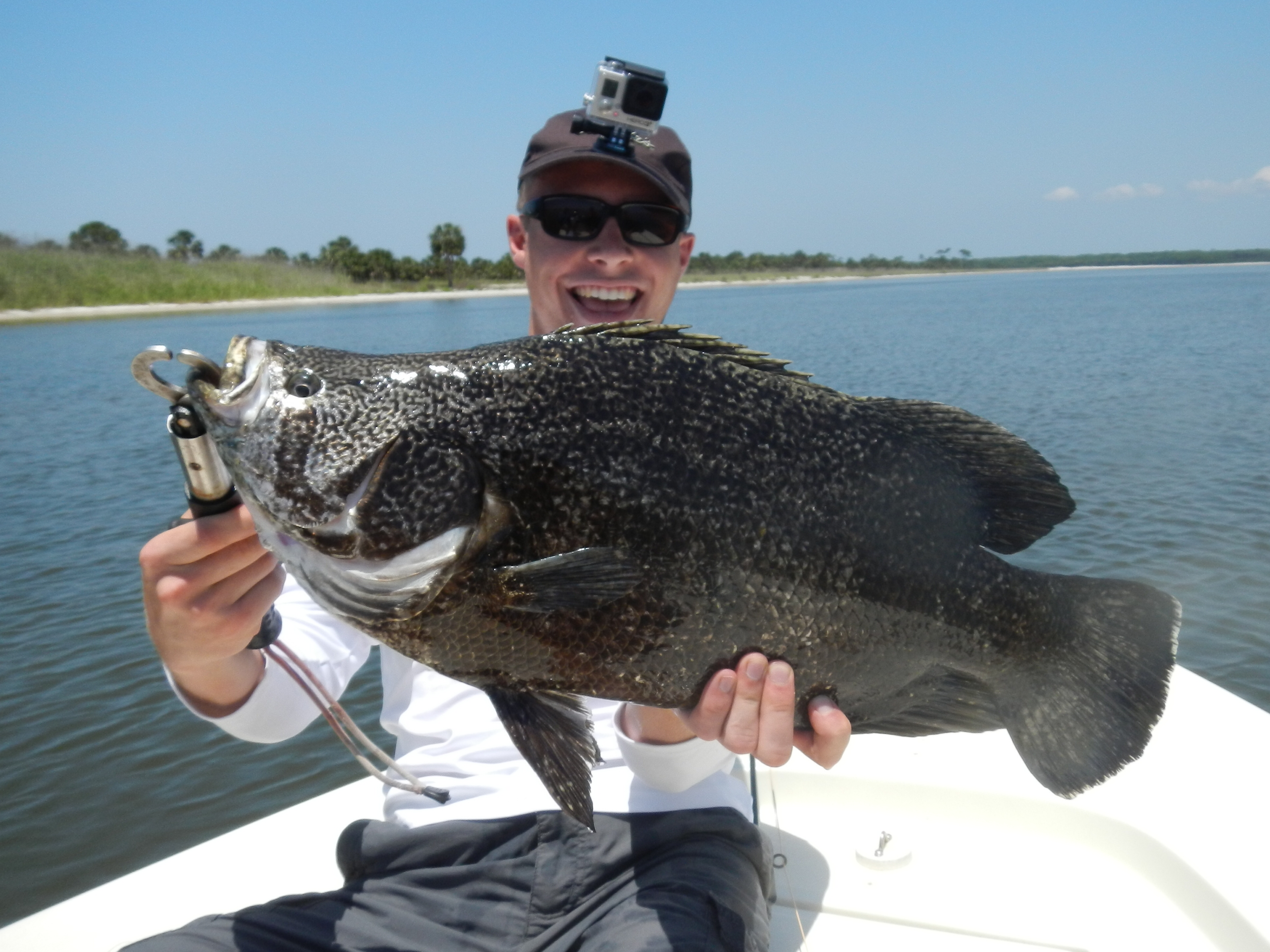
Although Jackson and I will have full time jobs this summer working with big name companies (or perhaps the same company if all works out), we are going to give this “Big Year” a shot! With an excel spreadsheet made, and with a map of Colorado marked up, Jackson and I are about to begin a summer that will be unforgettable. From seven species of trout, to warm water species such as tiger musky, pike, bass, bluegill, and carp, our Big Year could potentially see some immense results. In addition to this, with a Florida trip planned for late May, my Sage XI3 and Jax’s trusty 8 weight Orvis will be seeing the saltwater within a month.
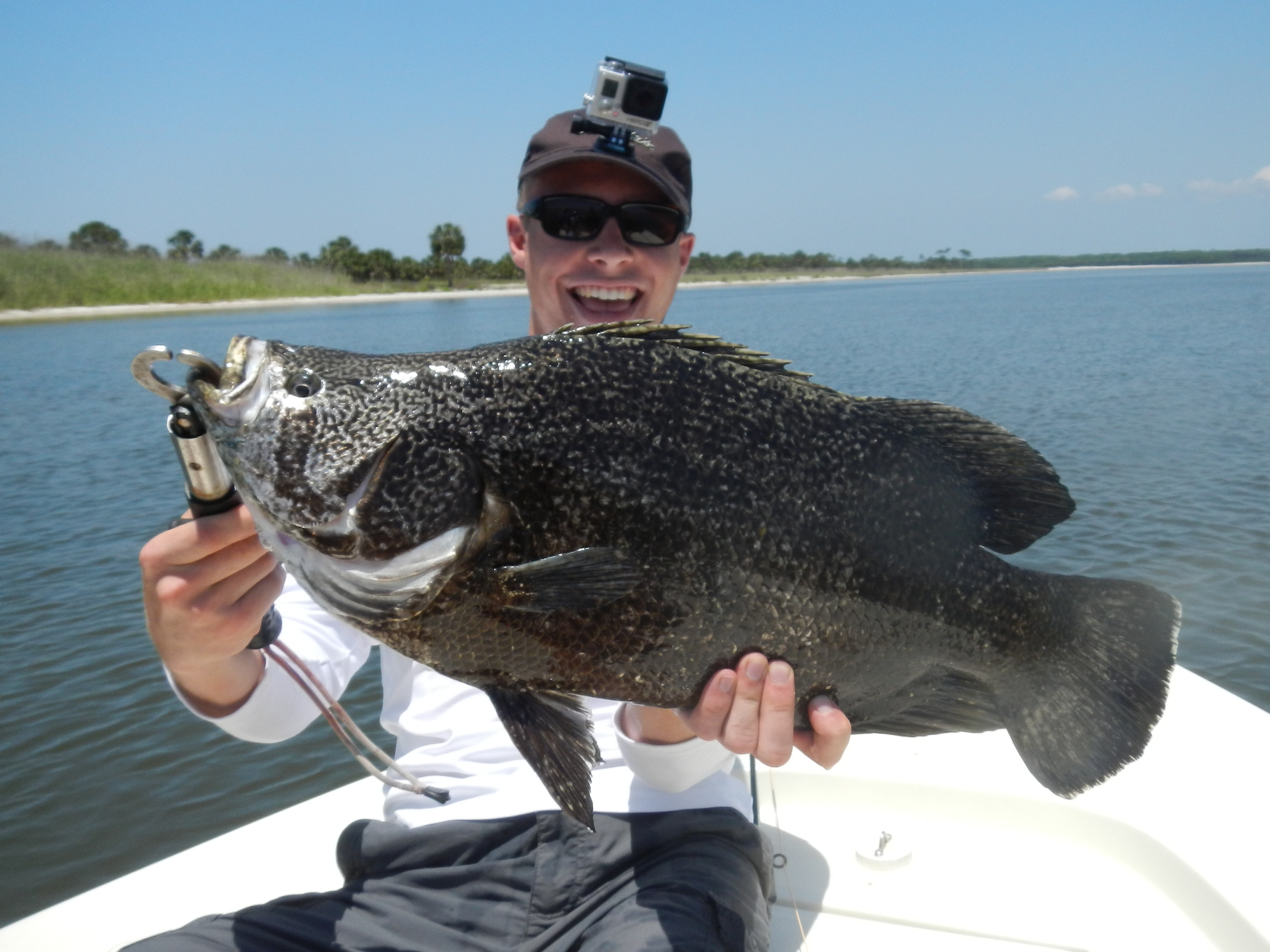
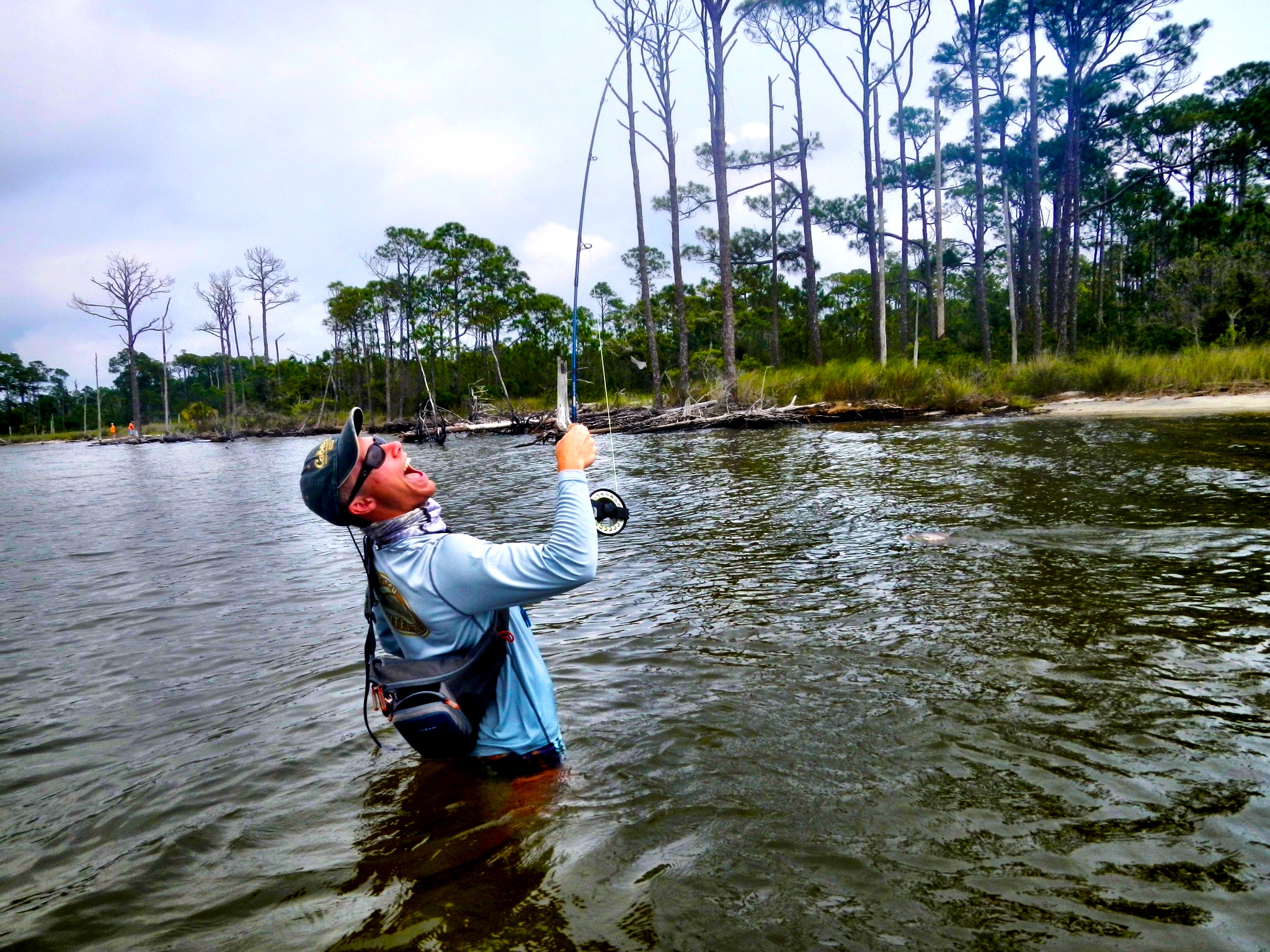
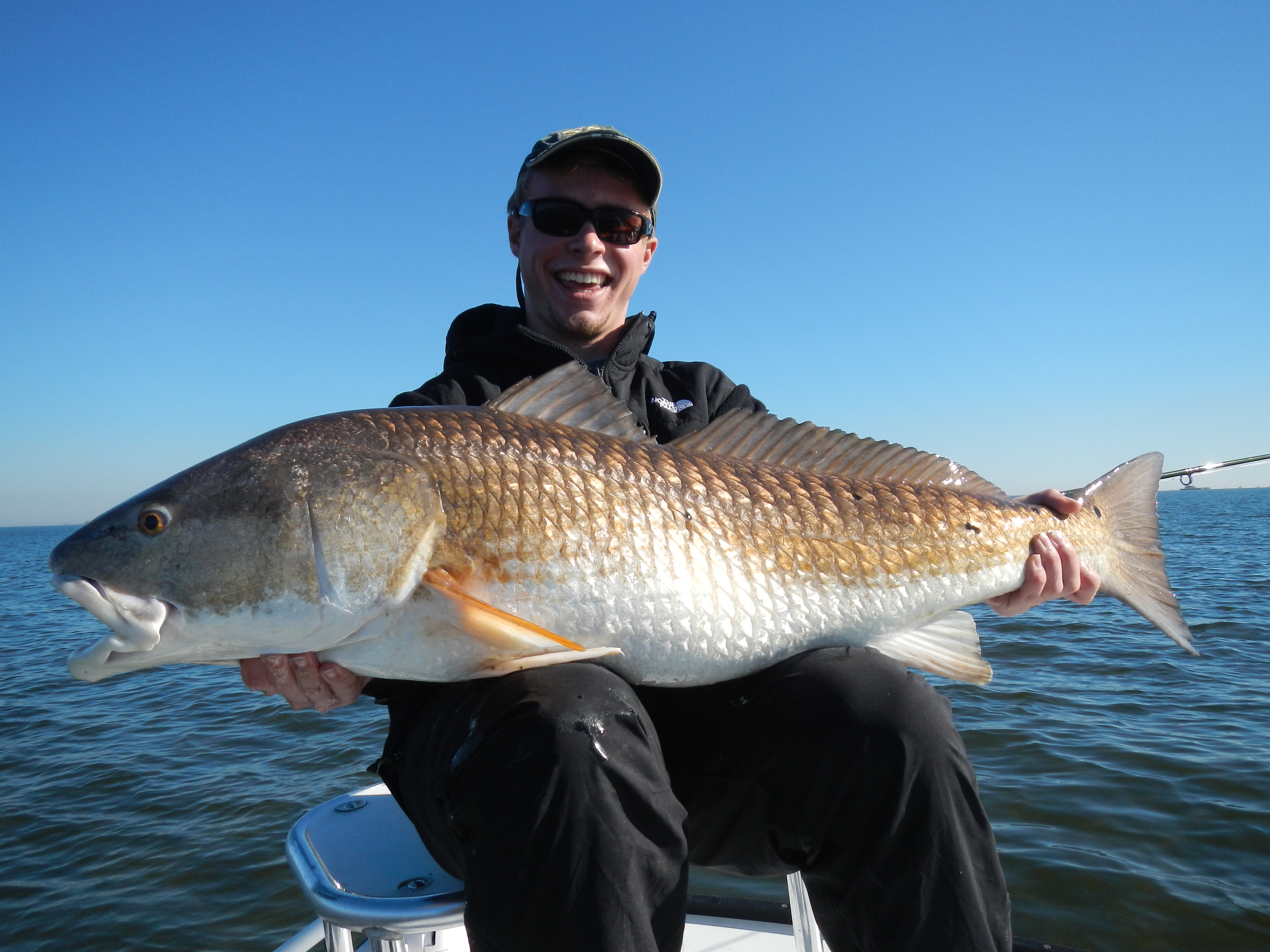
There is a quote by Henry David Thoreau that my dad shared with me that perfectly describes why I go fly fishing: “Many men go fishing all of their lives without knowing that it is not fish they are after.” Even as young men, Jax and I know that the memories made will outlive the fish we catch. Although it makes the trip a hell of a lot more fun to catch fish, and it makes the day seem that much greater knowing that you have achieved success, it is not what defines fly fishing for us. I have caught countless fish with both my dad and with Jackson, and I can personally say that some of the best fishing trip memories came from a day where only 1 or 2 fish were caught (skunk is not an option for us!). Whether this was because the “hunt” was on or because of pouring rain in the middle of a random national park, the trips were unforgettable. Sure, a big healthy brown trout or a stud redfish can make us act like a couple of 10 year old boys full of excitement, but at the end of the day, we are still fishing and not thinking about anything else other than how we are going to catch the next fish.
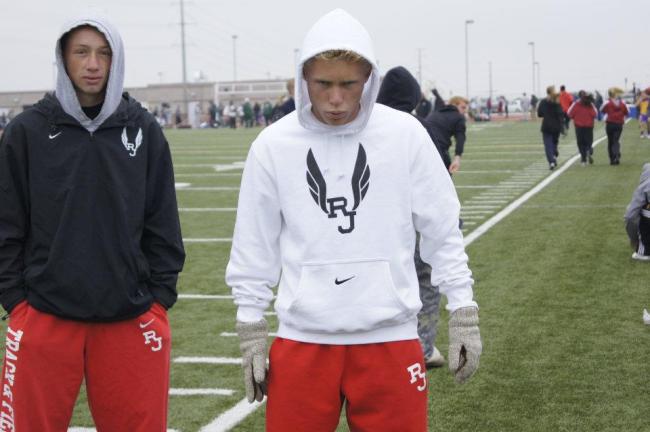
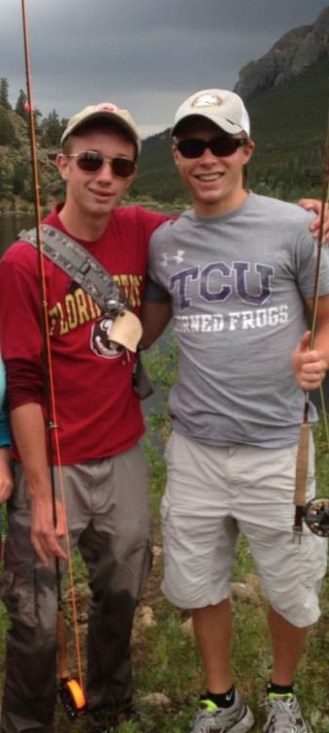
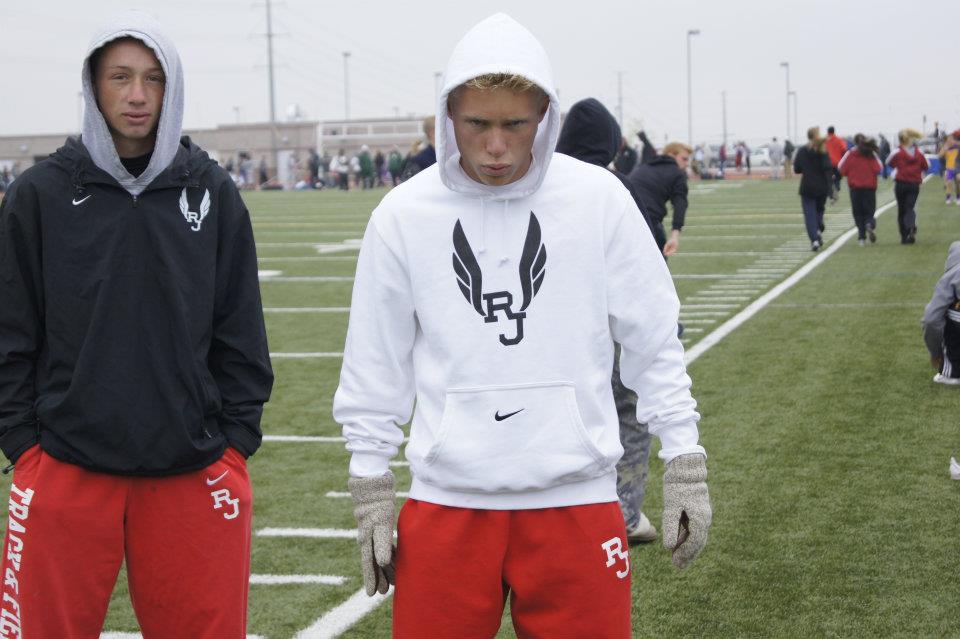
The BIG YEAR – 2 weeks – 2 young men (1 TCU Horned Frog and 1 Florida State Seminole). From track in high school, to working and fishing now, the friendship remains – and the Drake Fly Fisherman better be ready to see some underdogs make a name for themselves during this Big Year.
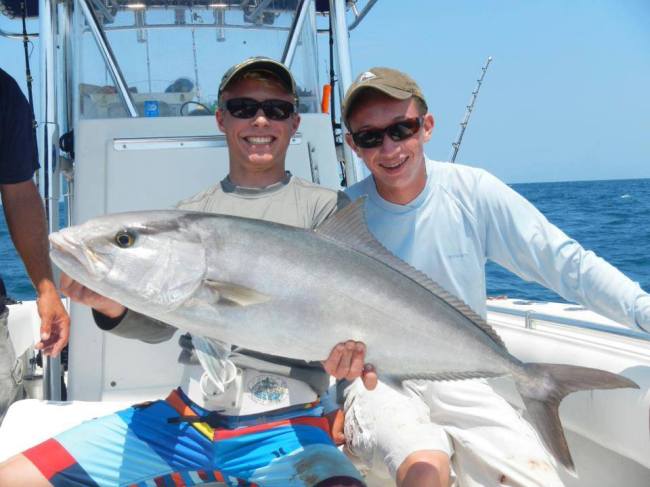
Expectations are high, but we wouldn’t want it any other way.
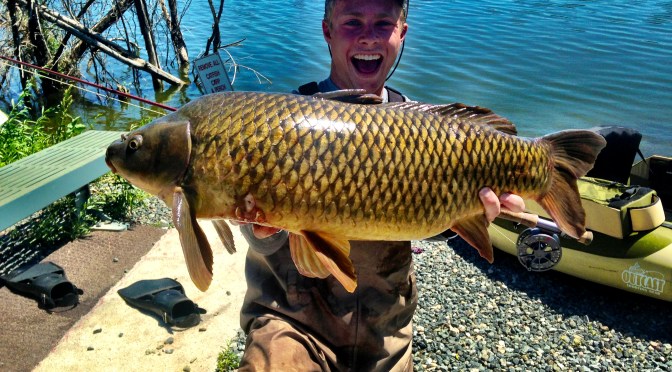











 joepetrowflyfishing